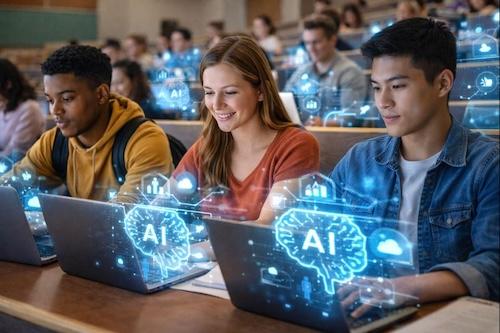
Online education has transformed from a convenient alternative into a core part of modern learning. In 2026, schools, universities, and businesses are embracing flexible digital learning powered by artificial intelligence, immersive technologies, and personalized study experiences. Students can learn from anywhere while teachers use smart tools to improve engagement and outcomes.
Table of Contents
- Introduction
- Key Trends
- Benefits
- Challenges
- Future Skills
- FAQs
Introduction
The rapid growth of internet access, cloud computing, and digital collaboration has changed education worldwide. Learners expect flexible schedules, interactive lessons, and career-focused skills. Institutions are responding by creating hybrid and fully online programs that combine live instruction with self-paced learning.
Key Trends in 2026
1. AI-Powered Learning
Artificial intelligence recommends lessons, creates quizzes, and gives instant feedback based on each student`s progress.
2. Personalized Education
Adaptive platforms adjust lesson difficulty and learning paths to individual needs.
3. Microlearning
Short lessons help learners retain information and fit education into busy schedules.
4. Virtual Collaboration
Students work together using video conferencing, digital whiteboards, and cloud documents.
Benefits
- Flexible learning anytime
- Lower education costs
- Global access to expert instructors
- Interactive multimedia lessons
- Career-focused certifications
Challenges
Reliable internet access, digital literacy, student motivation, and cybersecurity remain important concerns. Educational institutions must continue investing in accessibility, teacher training, and secure learning platforms.
Future Skills Students Need
- Critical thinking
- Digital communication
- Problem solving
- AI literacy
- Team collaboration
- Adaptability
Tip: Successful online learners create a study schedule, minimize distractions, and actively participate in discussions.
Frequently Asked Questions
Is online education effective?
Yes. When supported by quality content, interactive teaching, and regular assessments, online learning can produce excellent outcomes.
Will AI replace teachers?
No. AI enhances teaching by automating routine tasks, while teachers continue providing mentorship, creativity, and human interaction.
Conclusion
The future of online education in 2026 is more personalized, flexible, and technology-driven than ever before. As AI, cloud technology, and interactive learning continue to evolve, students will have greater opportunities to gain valuable knowledge and career-ready skills from anywhere in the world. Institutions that embrace innovation while maintaining educational quality will shape the next generation of learning.