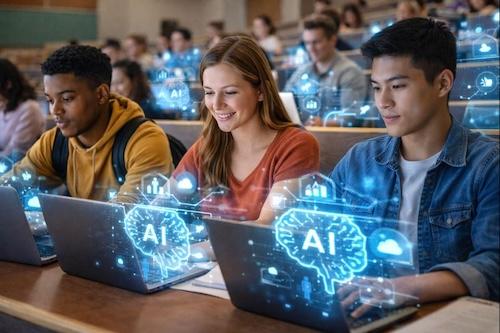
Education has experienced a remarkable transformation over the past decade. The rapid advancement of technology, widespread internet access, and the increasing demand for flexible learning have reshaped how students acquire knowledge. In 2026, online education is no longer considered an alternative to traditional classrooms—it has become an essential part of modern learning. Schools, universities, businesses, and independent educators are embracing digital platforms to provide accessible, engaging, and personalized educational experiences.
From artificial intelligence-powered tutors to immersive virtual classrooms, today`s learners have access to educational resources that were unimaginable just a few years ago. Whether someone wants to earn a university degree, develop professional skills, or simply explore a new hobby, online education provides opportunities for lifelong learning regardless of age or location.
This article explores the future of online education, the latest technological innovations, key benefits, challenges, and strategies that students and educators can use to succeed in the digital learning era.
Why Online Education Continues to Grow
Several factors have contributed to the rapid growth of online learning. Advances in digital technology, affordable internet access, and changing educational needs have made virtual learning more practical and effective than ever before.
Many institutions now combine traditional classroom instruction with online learning, creating flexible hybrid models that allow students to study from anywhere while maintaining high educational standards.
Major Reasons for Growth
- Flexible learning schedules.
- Access to global educational resources.
- Lower learning costs.
- Wide variety of online courses.
- Improved digital learning platforms.
- Growing demand for remote education.
- Career-focused certification programs.
As technology continues to improve, online education will become even more interactive, personalized, and accessible to learners around the world.
1. Artificial Intelligence Is Transforming Learning
Artificial Intelligence (AI) has become one of the most influential technologies in modern education. AI-powered systems analyze student performance, identify learning gaps, and provide personalized recommendations that help learners progress at their own pace.
Instead of following a one-size-fits-all approach, AI adapts lessons according to each student`s strengths and weaknesses, making learning more efficient and engaging.
How AI Improves Education
- Personalized learning paths.
- Instant feedback on assignments.
- AI tutoring assistants.
- Automated grading systems.
- Smart study recommendations.
- 24/7 learning support.
Teachers also benefit from AI by reducing administrative tasks, allowing them to spend more time mentoring students and developing high-quality learning experiences.
2. Virtual Classrooms Create Interactive Learning
Modern virtual classrooms closely replicate traditional classroom environments while offering additional flexibility. Students can attend live lectures, collaborate with classmates, participate in discussions, and interact with instructors from anywhere in the world.
Many educational platforms now integrate features such as live polls, breakout rooms, collaborative whiteboards, and real-time quizzes to make online learning highly interactive.
Benefits of Virtual Classrooms
- Live interaction with instructors.
- Group discussions and teamwork.
- Recorded lectures for later review.
- Real-time assessments.
- Global collaboration opportunities.
- Flexible attendance from any location.
These features help students remain engaged while encouraging active participation throughout the learning process.
3. Microlearning Is Becoming More Popular
Today`s learners often have busy schedules. Microlearning addresses this challenge by breaking complex topics into short, focused lessons that typically last between five and fifteen minutes.
Instead of spending hours studying at once, learners can complete lessons during breaks, commutes, or free time. This approach improves information retention and makes learning more manageable.
Advantages of Microlearning
- Short, easy-to-understand lessons.
- Higher knowledge retention.
- Flexible study sessions.
- Reduced learning fatigue.
- Better mobile learning experience.
Businesses also use microlearning to train employees efficiently without interrupting daily operations.
4. Mobile Learning Makes Education Accessible Everywhere
Smartphones and tablets have transformed education by allowing students to learn anytime and anywhere. Modern educational applications provide access to video lessons, quizzes, digital textbooks, discussion forums, and interactive assignments directly from mobile devices.
This flexibility is especially valuable for working professionals, university students, and lifelong learners who need education that fits around their daily responsibilities.
Popular Mobile Learning Features
- Offline lesson downloads.
- Interactive quizzes.
- Progress tracking dashboards.
- Cloud synchronization.
- Push notification reminders.
- Gamified learning experiences.
Mobile learning ensures that education is no longer limited by location, making knowledge more accessible than ever before.
5. Personalized Learning Improves Student Success
Every student learns differently. Some prefer visual content, while others learn better through reading, discussion, or practical exercises. Personalized learning uses technology to adapt educational content based on individual preferences, performance, and goals.
Adaptive learning platforms monitor student progress and recommend lessons, exercises, and assessments that match each learner`s pace. This personalized approach increases motivation, confidence, and academic performance while reducing frustration.
6. Virtual Reality (VR) and Augmented Reality (AR) Are Revolutionizing Education
Virtual Reality (VR) and Augmented Reality (AR) are transforming education by making learning more immersive and interactive. Instead of reading about historical landmarks or scientific concepts in textbooks, students can experience them virtually. These technologies help learners better understand complex subjects through realistic simulations and hands-on experiences.
Medical students can practice surgeries in virtual environments, engineering students can explore 3D models of machines, and history students can take virtual tours of ancient civilizations. This practical approach improves comprehension and makes learning more engaging.
Benefits of VR and AR in Education
- Interactive and immersive lessons.
- Better understanding of complex topics.
- Safe virtual practice environments.
- Higher student engagement.
- Improved memory retention.
- Real-world simulations without physical risks.
7. Online Certifications Increase Career Opportunities
Employers today value practical skills as much as traditional degrees. Online certification programs have become one of the fastest ways to gain industry-relevant knowledge and improve career prospects.
Professionals can now learn digital marketing, programming, graphic design, cybersecurity, project management, artificial intelligence, business analytics, and many other in-demand skills from internationally recognized institutions without leaving their homes.
Advantages of Online Certifications
- Career advancement opportunities.
- Affordable learning options.
- Flexible study schedules.
- Industry-recognized credentials.
- Continuous professional development.
- Access to global instructors.
As industries continue evolving, lifelong learning has become essential for remaining competitive in today`s job market.
8. Challenges Facing Online Education
Although online learning offers numerous advantages, it also presents several challenges that educators and students must address to ensure effective learning experiences.
Common Challenges
- Limited internet access in some regions.
- Reduced face-to-face interaction.
- Difficulty maintaining motivation.
- Digital distractions.
- Technical issues during live classes.
- Time management difficulties.
Educational institutions continue developing better technologies and teaching methods to overcome these obstacles. Improved learning management systems, hybrid education models, and enhanced student support services are helping bridge these gaps.
9. Tips for Students to Succeed in Online Learning
Success in online education requires discipline, organization, and active participation. Students who create effective learning habits often perform better and retain knowledge more efficiently.
Best Practices for Online Learners
- Create a dedicated study space.
- Follow a consistent study schedule.
- Take regular breaks.
- Participate in online discussions.
- Complete assignments on time.
- Ask instructors questions when needed.
- Review lessons regularly.
- Minimize distractions while studying.
Developing these habits helps learners stay motivated and achieve their educational goals more effectively.
10. The Future of Education Beyond 2026
The future of education will be shaped by continuous technological innovation. Artificial intelligence, virtual reality, blockchain-based academic credentials, adaptive learning systems, and advanced analytics will continue improving educational quality worldwide.
Educational institutions are expected to become more flexible, allowing students to personalize learning paths according to their interests, career objectives, and preferred learning styles.
Global collaboration will also become increasingly common as students from different countries participate in shared virtual classrooms, international research projects, and multicultural learning experiences.
Why Lifelong Learning Matters
Technology evolves rapidly, and the skills required in today`s workforce continue changing. Lifelong learning enables individuals to remain competitive, adapt to industry developments, and pursue new career opportunities throughout their lives.
Rather than viewing education as something completed after graduation, modern society increasingly recognizes learning as an ongoing journey that continues throughout adulthood.
Final Thoughts
Online education has fundamentally changed how people access knowledge, develop professional skills, and prepare for future careers. Advances in artificial intelligence, virtual classrooms, mobile learning, personalized education, and immersive technologies have created exciting opportunities for learners of all ages.
While challenges such as digital accessibility and student engagement remain, continued innovation is making online education more effective, inclusive, and accessible than ever before. Whether you are a student, educator, or working professional, embracing digital learning can open doors to personal growth, career advancement, and lifelong success.
As we move beyond 2026, online education will continue playing a central role in shaping the future of learning. Those who embrace continuous education and adapt to new technologies will be better prepared for the opportunities and challenges of tomorrow`s world.
Frequently Asked Questions (FAQs)
Is online education as effective as traditional classroom learning?
Yes. When supported by quality instructors, interactive technology, and student commitment, online education can be just as effective as traditional classroom learning.
What skills are most valuable to learn online in 2026?
Artificial Intelligence, data analytics, cybersecurity, digital marketing, programming, project management, cloud computing, communication, and leadership skills are among the most valuable.
Can employers recognize online certifications?
Many employers accept online certifications from reputable institutions because they demonstrate practical knowledge, continuous learning, and professional development.
What is the biggest advantage of online education?
The greatest advantage is flexibility, allowing learners to study anytime and anywhere while balancing work, family, and personal responsibilities.