Politics plays a vital role in shaping every nation. Government decisions influence economic development, education, healthcare, infrastructure, technology, environmental protection, and national security. In 2026, political systems around the world continue to evolve as leaders respond to rapid technological innovation, changing public expectations, and increasingly interconnected global challenges.
Modern politics extends beyond elections and legislative debates. It includes international diplomacy, cybersecurity, climate policy, digital governance, artificial intelligence regulation, public health planning, and global trade. Citizens are also more connected than ever through digital platforms, making transparency and accountability essential components of effective leadership.
Why Politics Matters
Governments create laws, develop national policies, allocate public resources, and provide essential services. Effective governance contributes to stable economies, improved healthcare, better education systems, and stronger public institutions.
Main Responsibilities of Government
- Maintaining law and order
- Supporting economic growth
- Providing education
- Improving healthcare
- Protecting the environment
- Developing infrastructure
- Ensuring national security
International Cooperation
Many modern challenges cannot be solved by a single country alone. Climate change, cybersecurity, public health emergencies, migration, and international trade require cooperation between governments, international organizations, and regional partners.
Diplomatic dialogue helps nations reduce conflict, strengthen economic partnerships, and promote peace and stability across the world.
Areas of Global Cooperation
- Climate action
- Cybersecurity
- Global health
- International trade
- Renewable energy
- Disaster response
Technology and Politics
Digital transformation has changed the way governments interact with citizens. Online public services, electronic documentation, digital identity systems, and AI-powered administration improve efficiency while making services more accessible.
At the same time, governments must address issues such as misinformation, privacy protection, election security, and responsible use of artificial intelligence.
Technology Trends
- Digital government services
- Artificial intelligence in administration
- Cybersecurity investment
- Open government data
- Smart city initiatives
Economic Policy
Economic growth remains one of the highest priorities for governments worldwide. Policies that encourage innovation, entrepreneurship, infrastructure development, education, and investment help create employment opportunities and improve living standards.
Economic Priorities
- Job creation
- Support for small businesses
- Infrastructure investment
- Innovation and technology
- Financial stability
- Foreign investment
Environmental Policy
Environmental sustainability has become an important part of political decision-making. Governments continue investing in renewable energy, clean transportation, sustainable agriculture, and conservation programs to protect natural resources for future generations.
Environmental Goals
- Reduce carbon emissions
- Expand renewable energy
- Protect biodiversity
- Improve waste management
- Promote sustainable development
Citizen Participation
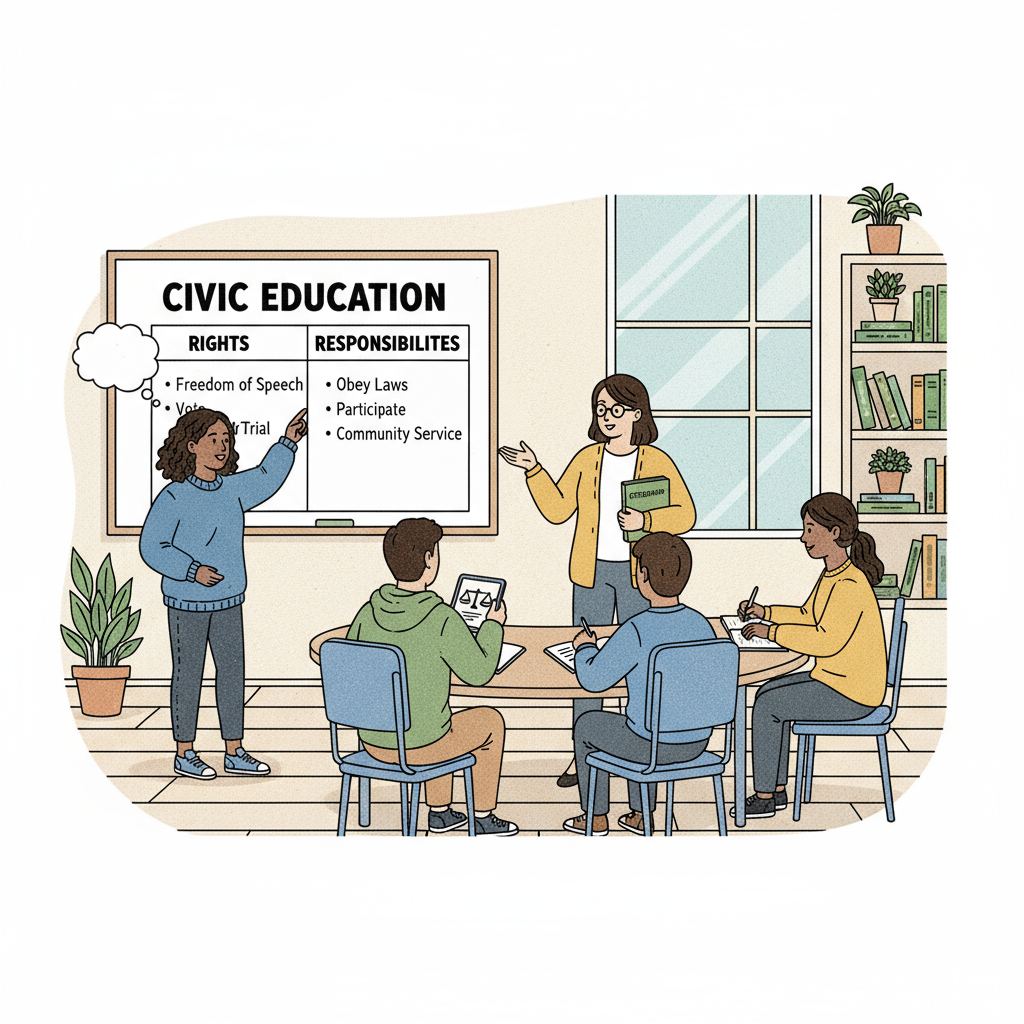
Strong democracies depend on active and informed citizens. Voting, community participation, civic education, and respectful public dialogue help strengthen democratic institutions and ensure governments remain accountable.
Ways Citizens Participate
- Voting in elections
- Community volunteering
- Public consultations
- Civic education
- Peaceful discussions
Political Trends in 2026
- Artificial intelligence regulation
- Digital public services
- Cybersecurity legislation
- Green economic policies
- International trade cooperation
- Data privacy protection
- Education reform
- Smart infrastructure projects
Conclusion
Politics continues to influence every aspect of modern life, from economic development and technological innovation to healthcare and environmental sustainability. Effective leadership requires transparency, accountability, long-term planning, and constructive international cooperation.
As the world becomes increasingly interconnected, governments and citizens must work together to address shared challenges while promoting peace, prosperity, and sustainable development. Understanding political systems and participating responsibly in civic life helps build stronger communities and a more stable future.