Politics influences every aspect of modern society, from economic growth and education to healthcare, national security, environmental protection, and technological innovation. In 2026, governments around the world face increasingly complex challenges that require careful planning, international cooperation, and evidence-based decision-making. At the same time, rapid advances in technology, globalization, and changing public expectations are reshaping how political systems operate.
Modern politics is no longer limited to elections and parliamentary debates. It includes cybersecurity, climate policy, digital governance, international trade, artificial intelligence regulation, public health, energy security, and global diplomacy. Citizens are more connected than ever through digital platforms, making transparency, accountability, and civic participation essential elements of effective governance.
This article explores the major political trends shaping the world in 2026, examines the challenges governments face, and discusses how international cooperation and innovation may influence the future of global politics.
The Role of Politics in Society
Governments create laws, establish public policies, manage national resources, and provide essential public services. Effective political leadership contributes to economic stability, infrastructure development, education, healthcare, and public safety.
Political institutions also protect democratic processes, ensure equal rights under the law, and encourage peaceful cooperation among citizens and nations.
Main Responsibilities of Government
- Maintaining national security
- Supporting economic development
- Providing public education
- Improving healthcare systems
- Protecting the environment
- Developing infrastructure
- Promoting justice and the rule of law
International Cooperation in a Connected World
Many modern challenges extend beyond national borders. Climate change, cybersecurity threats, pandemics, migration, international trade, and technological regulation require countries to work together through diplomacy and multilateral organizations.
Constructive dialogue and cooperation help reduce tensions, encourage economic partnerships, and promote long-term global stability.
Areas Requiring Global Cooperation
- Climate action
- Cybersecurity
- International trade
- Global health
- Artificial intelligence governance
- Renewable energy
- Disaster response
Technology and Political Transformation
Technology has significantly changed how governments interact with citizens. Digital public services, electronic voting research, online consultations, and AI-assisted public administration are becoming increasingly common in many countries.
At the same time, policymakers must address concerns related to misinformation, online privacy, digital surveillance, election security, and ethical use of artificial intelligence.
Technology Trends in Government
- Digital government services
- AI-assisted administration
- Cybersecurity investment
- Open government data
- Digital identity systems
- Smart city development
Economic Policy and National Growth
Economic stability remains a primary focus of governments worldwide. Policies supporting innovation, entrepreneurship, infrastructure investment, employment, and international trade contribute to long-term national development.
Managing inflation, encouraging business growth, and improving workforce skills are among the key priorities for policymakers in 2026.
Economic Policy Priorities
- Job creation
- Support for small businesses
- Infrastructure investment
- Digital transformation
- Foreign investment
- Research and innovation
- Financial stability
Climate and Environmental Policy
Governments continue introducing policies that encourage renewable energy, improve energy efficiency, reduce emissions, and protect natural ecosystems. Sustainable development has become an important component of national planning and international cooperation.
Environmental policies increasingly influence transportation, manufacturing, agriculture, and urban development.
Environmental Goals
- Carbon emission reduction
- Renewable energy expansion
- Sustainable transportation
- Water conservation
- Waste reduction
- Biodiversity protection
Citizen Participation and Democracy
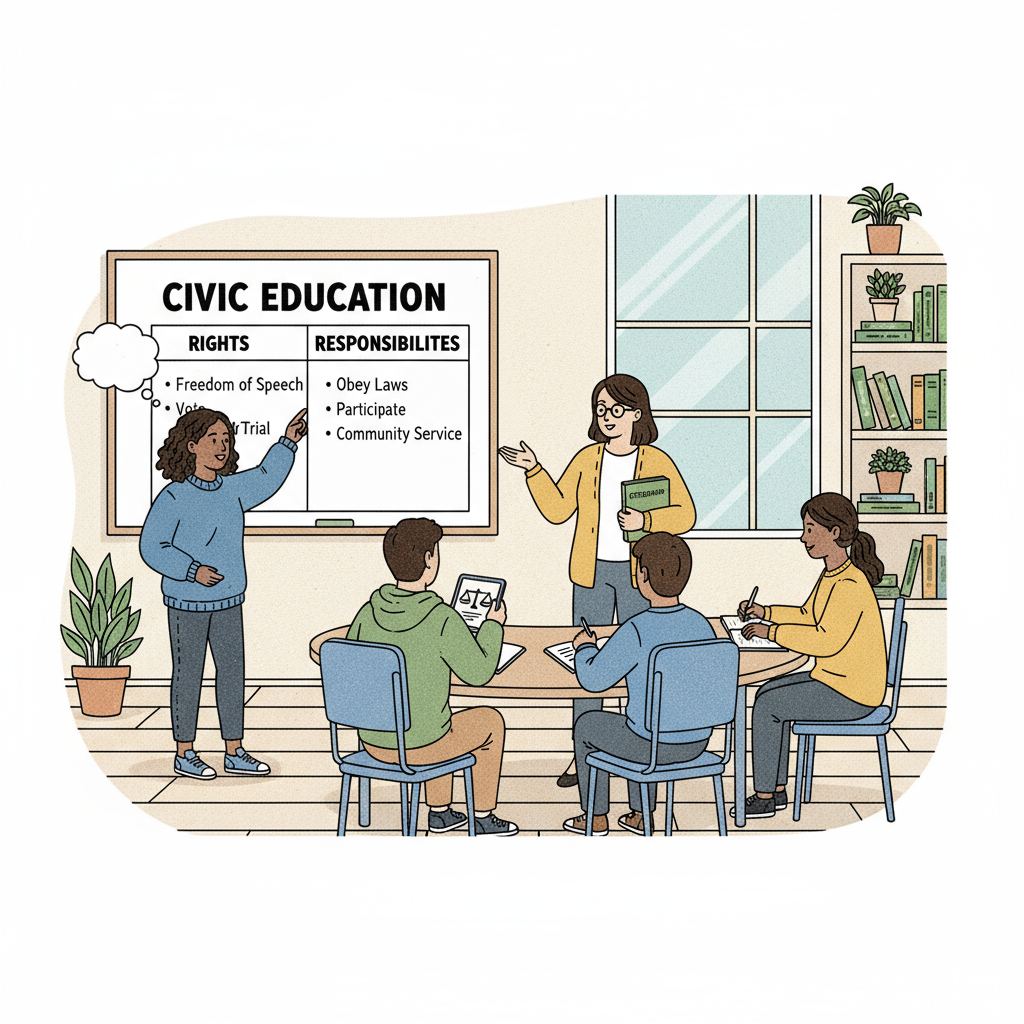
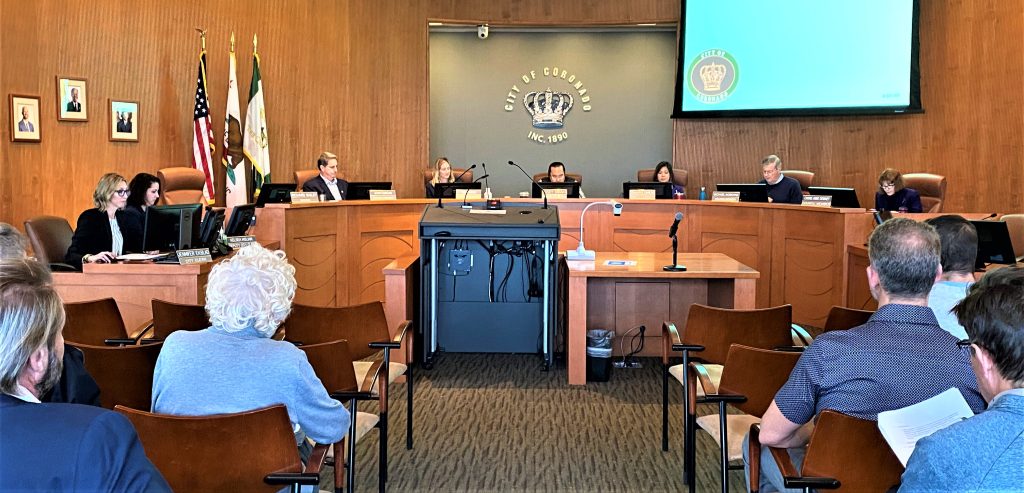
Strong democratic systems depend on informed and engaged citizens. Voting, community involvement, public consultations, and respectful civic dialogue help governments remain accountable and responsive to public needs.
Media literacy and access to reliable information also play an important role in helping citizens understand public policy and participate constructively in democratic processes.
Ways Citizens Can Participate
- Voting in elections
- Community volunteering
- Public consultations
- Civic education
- Peaceful public dialogue
- Local governance initiatives
Major Political Challenges in 2026
Governments face multiple interconnected challenges, including economic uncertainty, geopolitical tensions, digital security, climate change, demographic shifts, and rapidly evolving technologies. Addressing these issues requires balanced policies and long-term planning.
Key Challenges
- Cybersecurity threats
- Economic uncertainty
- Climate change
- Energy security
- Migration management
- Technological disruption
- Public trust in institutions
- Infrastructure modernization
Political Trends to Watch
- Artificial intelligence regulation
- Digital public services
- Cybersecurity legislation
- Green economic policies
- International trade partnerships
- Smart city initiatives
- Education reform
- Renewable energy investment
- Data privacy protection
- Global diplomatic cooperation
Conclusion
Global politics in 2026 continues to evolve alongside technological innovation, economic transformation, and growing international cooperation. Governments must balance national priorities with global responsibilities while responding to the changing expectations of citizens.
Effective governance depends on transparency, accountability, evidence-based policymaking, and constructive international dialogue. As countries work together to address shared challenges, informed civic participation and responsible leadership will remain essential for building a more stable, prosperous, and sustainable future.