Politics continues to shape every aspect of modern society, influencing economic growth, international cooperation, national security, environmental policies, education, healthcare, and technological innovation. In 2026, governments around the world face increasingly complex challenges that require collaboration, strategic planning, and responsible leadership. Rapid technological advancement, climate change, economic uncertainty, geopolitical tensions, and changing public expectations are transforming the political landscape in ways never seen before.
At the same time, digital communication, social media, and instant access to information have changed how citizens interact with governments and participate in democratic processes. Transparency, accountability, and public engagement have become central themes in political discussions across many countries.
This article explores the major trends shaping global politics in 2026, highlighting both the opportunities and challenges governments must address while building more resilient, inclusive, and sustainable societies.
Understanding Modern Politics
Politics is the process through which societies make collective decisions, establish laws, allocate public resources, and maintain order. Effective political systems balance economic development, social welfare, national security, and individual rights while responding to changing domestic and international conditions.
Modern governments operate in a highly interconnected world where decisions made in one country often influence others. As globalization continues, international cooperation becomes increasingly important in addressing shared challenges.
Key Functions of Government
- Creating and enforcing laws.
- Maintaining national security.
- Managing economic policy.
- Providing education and healthcare.
- Developing infrastructure.
- Protecting citizens` rights.
- Representing the country internationally.
1. Technology Is Transforming Politics
Technology has become one of the most influential forces in modern politics. Governments increasingly rely on digital platforms to deliver public services, communicate with citizens, and improve administrative efficiency. Artificial Intelligence, cloud computing, blockchain technology, and advanced data analytics help policymakers make informed decisions based on real-time information.
Citizens also use technology to engage with political discussions, participate in consultations, and monitor government performance. Online platforms have expanded access to information while creating new opportunities for civic participation.
Benefits of Digital Government
- Faster public services.
- Greater transparency.
- Reduced administrative costs.
- Improved communication with citizens.
- Better data-driven policymaking.
2. Climate Change and Environmental Policy
Climate change remains one of the most significant political issues of the modern era. Governments around the world are developing strategies to reduce greenhouse gas emissions, promote renewable energy, improve environmental protection, and strengthen resilience against extreme weather events.
International cooperation plays a vital role in addressing climate-related challenges because environmental issues extend beyond national borders. Investments in clean energy, sustainable transportation, and green infrastructure are becoming central components of national development plans.
3. Economic Stability and Global Trade
Economic policy continues to be a major priority for governments. Inflation, employment, international trade, investment, and technological innovation all influence national prosperity. Political leaders seek to create stable economic environments that encourage business growth while protecting consumers and supporting vulnerable communities.
Global supply chains, digital commerce, and international investment have made economies increasingly interconnected. Policymakers must balance domestic priorities with international economic cooperation.
Economic Priorities in 2026
- Supporting sustainable economic growth.
- Creating employment opportunities.
- Encouraging innovation and entrepreneurship.
- Strengthening international trade.
- Maintaining financial stability.
4. International Relations and Diplomacy
Diplomacy remains one of the most important tools for maintaining peace and cooperation among nations. Governments work together through international organizations, bilateral agreements, and regional partnerships to address issues such as security, trade, public health, and environmental protection.
Constructive dialogue and peaceful negotiation help reduce tensions while promoting mutual understanding and shared economic development.
5. The Growing Role of Citizens
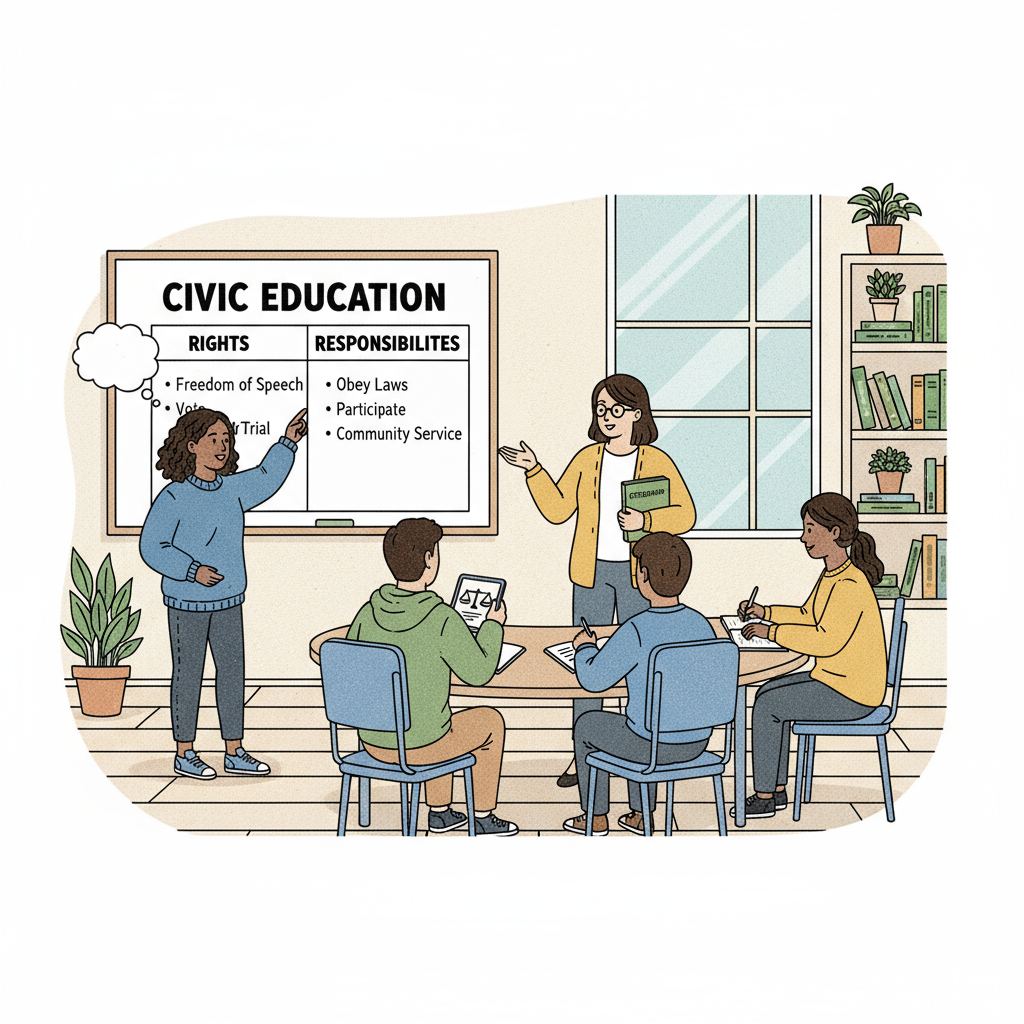
Citizens are becoming increasingly active participants in political processes. Through elections, public consultations, community organizations, and digital platforms, individuals have more opportunities to express their views and contribute to policy discussions.
Greater public participation encourages accountability, strengthens democratic institutions, and helps governments develop policies that better reflect the needs of society.
6. Public Policy and Good Governance
Good governance is the foundation of a stable and prosperous society. Governments are responsible for creating policies that improve education, healthcare, transportation, infrastructure, economic development, and public safety. Effective governance requires transparency, accountability, and efficient public administration.
In 2026, many governments are using digital technologies to simplify public services, reduce administrative delays, and improve communication with citizens. Online government portals allow people to apply for licenses, pay taxes, access public records, and submit requests more efficiently than ever before.
Principles of Good Governance
- Transparency in decision-making.
- Accountability of public institutions.
- Equal access to public services.
- Citizen participation.
- Efficient management of public resources.
7. Cybersecurity and National Security
As governments increasingly depend on digital systems, cybersecurity has become a critical political priority. Protecting public databases, communication networks, financial systems, and essential infrastructure from cyber threats is vital for national security.
Governments are investing in stronger cybersecurity frameworks, advanced monitoring systems, and international cooperation to combat cybercrime. Public awareness campaigns also encourage citizens and businesses to follow safe online practices and protect sensitive information.
8. Human Rights and Social Inclusion
Protecting human rights remains an essential responsibility of governments around the world. Modern political systems strive to promote equality, justice, and equal opportunities regardless of background, ethnicity, gender, religion, or economic status.
Policies that support education, healthcare, employment, accessibility, and social welfare contribute to stronger and more inclusive societies. Governments also work with civil society organizations and international partners to strengthen legal protections and promote respect for fundamental rights.
9. Artificial Intelligence in Government
Artificial Intelligence is transforming the way governments operate. AI-powered systems help analyze large amounts of information, improve traffic management, detect fraud, support disaster response, and optimize public services.
When implemented responsibly, AI can increase efficiency and improve policy planning. However, governments must also establish clear ethical standards, protect personal privacy, and ensure that automated systems remain transparent and accountable.
Applications of AI in Government
- Smart traffic management.
- Healthcare planning.
- Fraud detection.
- Emergency response coordination.
- Public service automation.
10. The Future of Global Politics
The future of global politics will be shaped by cooperation, innovation, and adaptability. Governments will continue addressing complex issues such as climate change, technological advancement, economic development, public health, and international security. Successful political leadership will require evidence-based policymaking, effective communication, and strong collaboration with citizens and international partners.
Young people are also expected to play a greater role in political decision-making through increased civic participation, entrepreneurship, education, and technological innovation. Their perspectives will help shape future policies that address the needs of rapidly changing societies.
Challenges Facing Governments
- Managing economic uncertainty.
- Addressing climate-related risks.
- Protecting cybersecurity.
- Strengthening healthcare systems.
- Maintaining public trust.
- Balancing technological innovation with privacy.
- Promoting peaceful international cooperation.
Building Stronger Democratic Institutions
Strong institutions are essential for long-term stability and development. Independent courts, responsible public administration, transparent elections, free media, and active civic participation all contribute to effective governance. Continuous institutional improvement helps governments respond more effectively to future challenges while maintaining public confidence.
Investing in education, digital literacy, and civic awareness also empowers citizens to participate responsibly in democratic processes and contribute to informed public discussions.
Conclusion
Global politics in 2026 is defined by rapid technological change, increasing international cooperation, and evolving public expectations. Governments must balance economic growth, environmental sustainability, public security, and social development while adapting to an increasingly interconnected world.
Technology, Artificial Intelligence, and digital governance are transforming public administration, creating opportunities to improve efficiency and citizen engagement. At the same time, challenges such as cybersecurity, climate change, and economic uncertainty require thoughtful leadership and collaborative solutions.
The future of politics will depend on responsible governance, innovation, transparency, and meaningful public participation. By embracing these principles, nations can build stronger institutions, promote sustainable development, and create more prosperous societies for future generations.