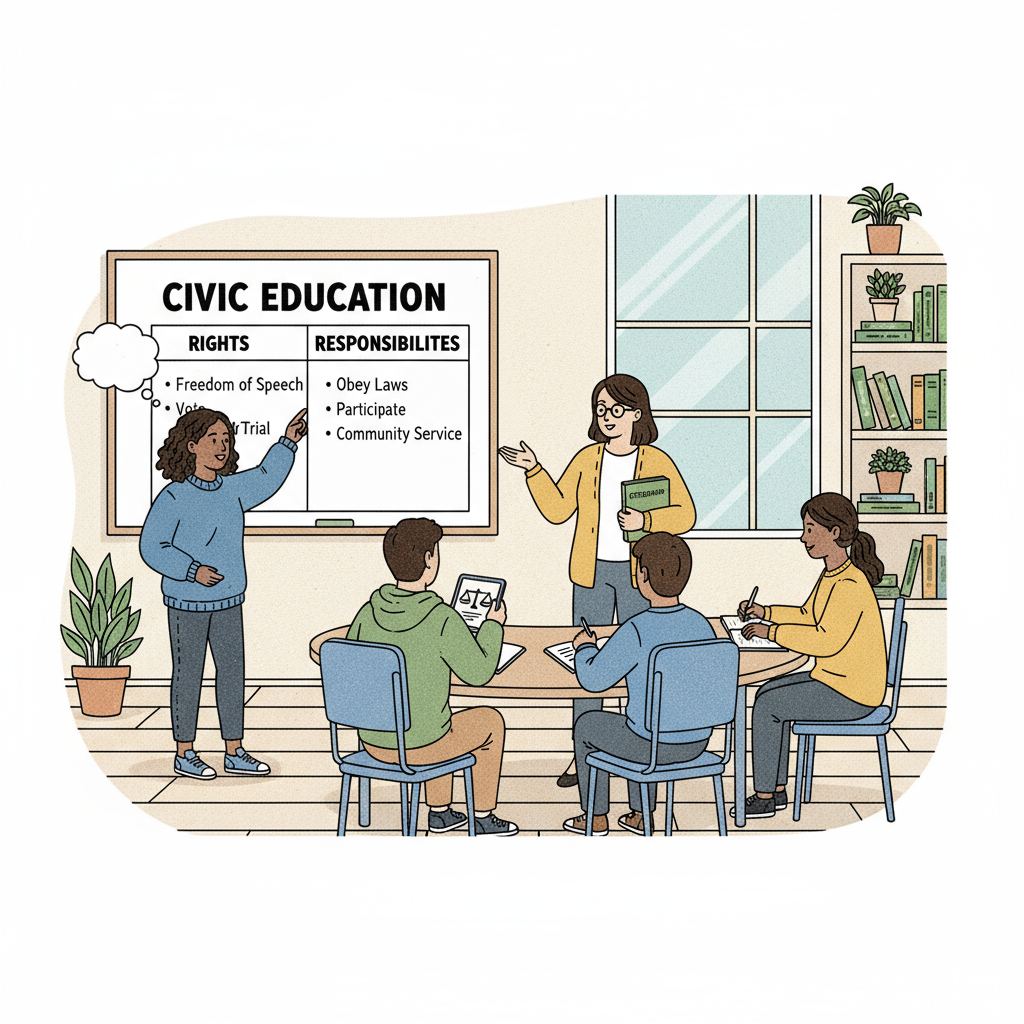
Education has undergone a massive transformation over the past decade, and in 2026, technology continues to reshape how students learn and teachers teach. From online classrooms to artificial intelligence-driven learning systems, the traditional education model is evolving into a more flexible, accessible, and personalized experience.
The Shift from Traditional to Digital Learning
The conventional classroom, once limited to physical spaces, is now expanding into the digital world. Schools, colleges, and training institutes are increasingly adopting online learning platforms, allowing students to access education from anywhere in the world.
This shift became more prominent during global disruptions, and since then, institutions have embraced hybrid models that combine both online and offline learning experiences.
Key Technologies Transforming Education
1. Artificial Intelligence (AI)
AI is playing a crucial role in modern education by providing personalized learning experiences. Intelligent systems analyze student performance and adapt lessons according to individual strengths and weaknesses.
AI-powered tools can also automate grading, provide instant feedback, and assist teachers in managing large classrooms more efficiently.
2. Online Learning Platforms
Platforms like learning management systems (LMS) have made it easier for educators to deliver courses digitally. Students can watch lectures, complete assignments, and interact with instructors all in one place.
3. Virtual Reality (VR) and Augmented Reality (AR)
VR and AR technologies are creating immersive learning environments. Students can explore historical sites, conduct virtual science experiments, and practice real-world skills in a safe digital space.
4. Mobile Learning
Smartphones and tablets have made education more accessible than ever. Mobile learning apps allow students to study anytime, anywhere, making learning more flexible and convenient.
Benefits of Technology in Education
Accessibility
Students from remote areas can now access high-quality education without relocating. Online courses and digital resources have broken geographical barriers.
Personalized Learning
Technology allows for customized learning paths. Students can learn at their own pace, revisit difficult topics, and skip content they already understand.
Engagement
Interactive tools, videos, quizzes, and gamification make learning more engaging and enjoyable for students.
Cost-Effectiveness
Digital education reduces costs associated with transportation, physical materials, and infrastructure, making education more affordable.
Challenges in Modern Education
Digital Divide
Not all students have access to reliable internet and devices, creating inequality in education opportunities.
Distractions
Online learning environments can lead to distractions, as students may struggle to stay focused without proper guidance.
Lack of Social Interaction
Physical classrooms provide social interaction and collaboration, which can be limited in virtual settings.
Teacher Training
Educators need proper training to effectively use new technologies and adapt to digital teaching methods.
The Role of Teachers in the Digital Era
Despite technological advancements, teachers remain essential in the learning process. Their role is evolving from information providers to facilitators and mentors. Teachers guide students, encourage critical thinking, and provide emotional support.
Technology enhances teaching but cannot replace the human connection and inspiration that educators provide.
Future Trends in Education
Hybrid Learning Models
Blended learning, combining online and offline education, will continue to dominate in the future.
Skill-Based Education
There is a growing focus on practical skills rather than just theoretical knowledge. Courses are being designed to prepare students for real-world challenges.
Lifelong Learning
Continuous learning is becoming essential in a rapidly changing world. Professionals are constantly upgrading their skills through online courses and certifications.
Data-Driven Education
Data analytics will play a key role in improving educational outcomes by tracking student progress and identifying areas for improvement.
How Students Can Adapt
Develop Digital Skills
Students should become comfortable with technology, including online tools, software, and digital communication platforms.
Stay Disciplined
Time management and self-discipline are crucial for success in online learning environments.
Engage Actively
Participating in discussions, asking questions, and completing assignments on time can enhance learning outcomes.
Conclusion
The future of education is digital, dynamic, and student-centered. Technology is not only changing how knowledge is delivered but also how it is consumed and applied. While challenges remain, the benefits of modern education systems are undeniable.
As we move forward, the integration of technology in education will continue to evolve, creating new opportunities for learners and educators alike. Embracing these changes will be key to building a smarter and more connected world.