Education has always been one of the most powerful tools for personal and societal growth. Over the years, teaching methods, learning environments, and educational systems have evolved significantly. Today, technology is transforming education faster than ever before, creating new opportunities for students, teachers, and institutions worldwide.
The modern classroom is no longer limited to textbooks and blackboards. Digital learning platforms, artificial intelligence, virtual classrooms, and online courses are reshaping the educational experience. Students can now access information instantly, collaborate globally, and learn from anywhere in the world.
As technology continues to advance, education systems must adapt to prepare students for future careers, challenges, and opportunities in an increasingly digital society.
The Evolution of Education
Traditional education focused mainly on memorization, lectures, and standardized learning methods. While these approaches provided foundational knowledge, they often lacked flexibility and creativity.
Modern education emphasizes critical thinking, problem-solving, collaboration, and digital literacy. Teachers are now facilitators who guide students through interactive learning experiences rather than simply delivering information.
Major Changes in Modern Education
- Online learning platforms
- Digital classrooms and smart boards
- Interactive educational apps
- Video-based learning
- Artificial intelligence tools
- Virtual and augmented reality education
These advancements have made education more accessible, engaging, and personalized for learners worldwide.
The Rise of Online Learning
Online learning has become one of the biggest educational trends of the 21st century. Students can now attend classes remotely using laptops, tablets, or smartphones.
During the global pandemic, schools and universities rapidly adopted virtual learning systems. This shift proved that education could continue effectively even outside traditional classrooms.
Advantages of Online Education
- Flexible learning schedules
- Access to global educational resources
- Lower transportation and accommodation costs
- Opportunities for self-paced learning
- Improved digital skills
Online education has also opened opportunities for people who previously lacked access to quality educational institutions.
The Role of Artificial Intelligence in Education
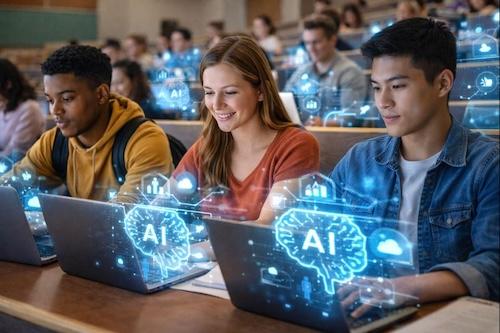
Artificial Intelligence (AI) is becoming an important part of modern education. AI-powered systems can analyze student performance, identify learning gaps, and provide personalized recommendations.
Educational platforms now use AI to create adaptive learning experiences that adjust according to each student’s abilities and progress.
How AI Improves Learning
- Personalized study plans
- Automated grading systems
- Virtual tutors and chatbots
- Real-time feedback for students
- Improved accessibility for disabled learners
AI helps teachers save time on administrative tasks, allowing them to focus more on student engagement and support.
Importance of Digital Literacy
In a technology-driven world, digital literacy is becoming as important as reading and writing. Students must learn how to use digital tools responsibly, communicate online effectively, and evaluate information critically.
Schools are increasingly integrating coding, cybersecurity awareness, and computer skills into their curriculums.
Essential Digital Skills for Students
- Internet research skills
- Basic programming knowledge
- Online communication skills
- Cybersecurity awareness
- Data analysis and problem-solving
These skills prepare students for future workplaces that depend heavily on technology and digital collaboration.
Challenges Facing Modern Education
Despite technological advancements, education systems still face significant challenges. Many students around the world lack access to reliable internet connections, modern devices, or quality educational resources.
Teachers also face challenges adapting to rapidly changing technologies and digital teaching methods.
Common Educational Challenges
- Digital divide and unequal access
- Lack of teacher training
- Student distractions online
- Mental health concerns
- High educational costs
- Outdated curriculums
Addressing these challenges requires collaboration between governments, schools, technology companies, and communities.
The Importance of Lifelong Learning
Education no longer ends after graduation. In today’s fast-changing world, people must continue learning throughout their lives to remain competitive in the job market.
Lifelong learning includes professional certifications, online courses, workshops, and self-directed learning experiences.
Employers increasingly value individuals who continuously improve their skills and adapt to new technologies.
Benefits of Lifelong Learning
- Career advancement opportunities
- Improved confidence and adaptability
- Better problem-solving skills
- Personal growth and creativity
- Increased job security
Virtual Reality and Interactive Learning
Virtual Reality (VR) and Augmented Reality (AR) are making education more immersive and engaging. Students can now explore historical sites, conduct science experiments, or practice medical procedures in virtual environments.
Interactive learning experiences improve student engagement and make complex concepts easier to understand.
For example, medical students can use VR simulations to practice surgeries safely before working with real patients.
The Role of Teachers in the Future
Although technology is transforming education, teachers will continue to play a critical role. Human interaction, emotional support, mentorship, and motivation cannot be fully replaced by machines.
Future teachers will need both subject expertise and technological skills to create effective learning experiences.
Skills Future Teachers Need
- Digital teaching abilities
- Creative lesson planning
- Emotional intelligence
- Communication and leadership skills
- Adaptability to technological change
Teachers who embrace innovation will be better prepared to guide future generations successfully.
Education and Global Opportunities
Technology has connected students and educators worldwide. Learners can now access courses from international universities, attend global webinars, and collaborate with people from different cultures.
This global access promotes cultural understanding, innovation, and international cooperation.
Students who develop global perspectives are often better prepared for modern workplaces that value diversity and international collaboration.
Conclusion
The future of education is being shaped by technology, innovation, and changing societal needs. Digital tools, online learning, artificial intelligence, and interactive technologies are transforming how students learn and how teachers teach.
While challenges such as unequal access and digital distractions remain, the opportunities created by modern education are enormous. Students today have more learning resources and career opportunities than any previous generation.
Education systems that embrace technology while maintaining human connection, creativity, and critical thinking will prepare students for success in an increasingly digital world.