Education has always been one of the most powerful tools for personal and social development. In 2026, the education sector is experiencing one of the biggest transformations in history. Rapid technological advancements, artificial intelligence, digital classrooms, and online learning platforms are changing the way students learn and teachers teach. Traditional classrooms are evolving into smart learning environments where education is more personalized, accessible, and interactive than ever before.
Whether you are a student, teacher, parent, or educational institution, understanding these changes is essential for success in today`s digital world. The future of education is no longer limited to textbooks and classrooms. It now includes virtual learning, AI-powered tutors, interactive simulations, collaborative online tools, and lifelong learning opportunities that help people continuously improve their knowledge and skills.
This article explores the major educational trends shaping 2026 and explains how technology is creating better learning experiences for students across the globe.
Why Education Is Changing Rapidly
The world is changing faster than ever before. New industries, emerging technologies, and changing workplace requirements demand new skills. Employers are increasingly looking for individuals who possess critical thinking, creativity, digital literacy, communication, and problem-solving abilities rather than relying solely on academic qualifications.
Educational institutions are adapting by introducing modern teaching methods, digital resources, and practical learning experiences. Instead of memorizing information, students are encouraged to understand concepts, solve real-world problems, and develop practical skills that prepare them for future careers.
1. Artificial Intelligence Is Personalizing Learning
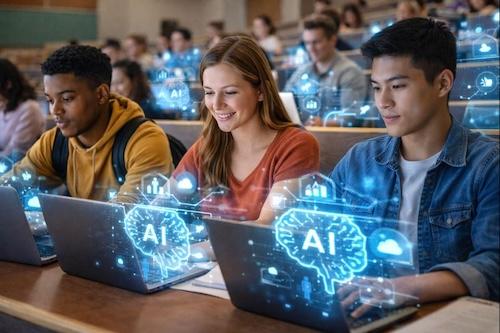
Artificial Intelligence (AI) has become one of the biggest innovations in modern education. AI-powered learning platforms analyze each student`s progress, identify strengths and weaknesses, and recommend personalized study materials. This allows every learner to study at their own pace instead of following a one-size-fits-all approach.
Students who struggle with certain subjects receive additional support, while advanced learners can move ahead without waiting for others. This personalized learning approach improves engagement and academic performance.
Benefits of AI in Education
- Personalized learning experiences
- Instant feedback on assignments
- Automated grading systems
- Smart tutoring assistance
- Learning progress tracking
- Improved student engagement
AI also reduces administrative work for teachers, allowing them to spend more time helping students understand difficult concepts.
2. Online Learning Continues to Grow
Online education has become a permanent part of modern learning. Universities, schools, and training organizations now offer thousands of online courses that allow students to learn from anywhere in the world.
Flexible learning schedules make education accessible for working professionals, parents, and individuals living in remote areas. Students can watch recorded lectures, participate in live discussions, complete assignments digitally, and communicate directly with instructors through online platforms.
Advantages of Online Education
- Study from any location
- Flexible learning schedules
- Lower education costs
- Access to global instructors
- Wide variety of courses
- Self-paced learning opportunities
As internet accessibility improves worldwide, online education continues to remove geographical barriers and provide equal learning opportunities.
3. Smart Classrooms Enhance Student Engagement
Modern classrooms now include interactive smart boards, tablets, digital whiteboards, educational apps, and cloud-based collaboration tools. These technologies make lessons more engaging and encourage active participation.
Teachers can use videos, animations, quizzes, and virtual demonstrations to explain complex concepts more effectively than traditional lectures alone.
Features of Smart Classrooms
- Interactive digital whiteboards
- Wireless presentations
- Cloud-based assignments
- Real-time quizzes
- Collaborative learning tools
- Digital attendance systems
Students also become more confident when participating in technology-supported learning environments where collaboration and creativity are encouraged.
4. Digital Skills Are Becoming Essential
Digital literacy is now considered one of the most important life skills. Schools and universities increasingly teach coding, cybersecurity awareness, data analysis, digital communication, and responsible internet usage.
Employers expect graduates to possess both technical knowledge and the ability to use digital tools efficiently in the workplace. Learning these skills early prepares students for future careers in various industries.
Important Digital Skills
- Computer literacy
- Basic programming
- Online research
- Cybersecurity awareness
- Digital collaboration
- Presentation skills
- Critical thinking
Educational institutions that integrate digital skills into their curriculum better prepare students for the modern workforce.
5. Lifelong Learning Is the New Standard
Education no longer ends after graduation. In today`s rapidly changing world, professionals must continue learning throughout their careers to remain competitive. New technologies, evolving industries, and changing job requirements make continuous learning essential.
Many organizations encourage employees to complete online certifications, attend workshops, and participate in professional development programs. Lifelong learning helps individuals adapt to industry changes while opening new career opportunities.
6. Virtual Reality (VR) and Augmented Reality (AR) in Education
Virtual Reality (VR) and Augmented Reality (AR) are transforming classrooms into immersive learning environments. Instead of only reading about historical events or scientific concepts, students can experience them through interactive simulations. These technologies make lessons more engaging, improve understanding, and help students retain information more effectively.
Medical students can perform virtual surgeries, engineering students can explore 3D machine models, and history students can virtually visit ancient civilizations without leaving the classroom.
Benefits of VR and AR
- Interactive learning experiences
- Better knowledge retention
- Safe practical training
- Increased student engagement
- Improved understanding of complex topics
- Enhanced creativity and problem-solving skills
7. Collaboration and Communication Skills
Modern education focuses not only on academic knowledge but also on developing teamwork, communication, and leadership skills. Employers value individuals who can collaborate effectively with diverse teams and communicate ideas clearly.
Group projects, classroom discussions, online collaboration platforms, and presentation assignments help students build these essential soft skills.
- Group research projects
- Team presentations
- Online discussion forums
- Peer learning activities
- Collaborative digital workspaces
Students who develop strong interpersonal skills are better prepared for higher education and future careers.
8. Challenges Facing Modern Education
Although educational technology offers numerous advantages, several challenges still need to be addressed. Access to reliable internet, affordability of digital devices, teacher training, and cybersecurity remain important concerns in many regions.
Common Educational Challenges
- Digital divide between communities
- Limited internet access
- Data privacy concerns
- Teacher training requirements
- Screen-time management
- Technology implementation costs
Governments, educational institutions, and technology companies must work together to ensure equal learning opportunities for all students.
9. The Role of Teachers in 2026
Technology is not replacing teachers—it is empowering them. Teachers remain the most important part of education by guiding students, encouraging critical thinking, and providing emotional support. Digital tools simply help educators teach more efficiently.
Instead of spending time on repetitive administrative tasks, teachers can focus on mentoring students, designing engaging lessons, and providing personalized support where needed.
Modern Teacher Responsibilities
- Facilitate interactive learning
- Guide students through digital resources
- Encourage creativity and innovation
- Support emotional well-being
- Promote lifelong learning habits
10. Preparing Students for Future Careers
The future job market requires adaptability, creativity, digital literacy, and continuous learning. Educational institutions are increasingly integrating practical projects, internships, entrepreneurship, coding, financial literacy, and career guidance into their curricula.
Students who combine academic knowledge with practical skills will be better equipped to succeed in industries driven by technology and innovation.
Conclusion
Education in 2026 is becoming more flexible, personalized, and technology-driven than ever before. Artificial intelligence, online learning, smart classrooms, virtual reality, and digital collaboration tools are reshaping how knowledge is delivered and acquired.
However, the true purpose of education remains unchanged: empowering individuals with knowledge, critical thinking, creativity, and lifelong learning skills. Technology should complement—not replace—the human connection between teachers and students.
By embracing innovation while maintaining strong educational values, schools and universities can prepare learners for success in an increasingly digital and interconnected world.
Frequently Asked Questions (FAQs)
1. What is the biggest trend in education in 2026?
Artificial Intelligence and personalized learning are among the most significant trends shaping modern education.
2. Is online education as effective as classroom learning?
When supported by quality teaching, interactive resources, and student engagement, online education can be highly effective.
3. Why are digital skills important for students?
Digital skills prepare students for modern careers, improve productivity, and help them adapt to rapidly changing technologies.
4. Will technology replace teachers?
No. Technology supports teachers by automating routine tasks while allowing them to focus on mentoring and student development.
5. What skills will future students need most?
Critical thinking, creativity, communication, collaboration, digital literacy, adaptability, and lifelong learning will remain essential skills for future success.