Education has always been the foundation of personal growth and societal development. However, the way people learn has changed dramatically over the past decade. In 2026, education is no longer limited to traditional classrooms, textbooks, or face-to-face lectures. Digital technology, artificial intelligence, virtual classrooms, and personalized learning experiences are transforming education into a more flexible, accessible, and engaging system.
Students today can attend classes from anywhere in the world, collaborate with classmates across different countries, and learn at their own pace using advanced educational platforms. Teachers are also embracing technology to improve lesson planning, monitor student progress, and provide personalized guidance.
As industries continue to evolve, education must adapt to prepare students for careers that may not even exist today. Critical thinking, creativity, digital literacy, and problem-solving have become just as important as traditional academic subjects.
Why Education is Evolving
The rapid advancement of technology, changing workforce demands, and increased internet accessibility have completely reshaped education. Schools, universities, and training institutions now focus on developing practical skills alongside theoretical knowledge.
Modern education aims to create lifelong learners who can continuously adapt to new technologies and professional environments. This shift helps individuals remain competitive in an increasingly digital world.
Major Factors Driving Educational Change
- Artificial Intelligence (AI)
- Online learning platforms
- Virtual and augmented reality
- Cloud-based collaboration tools
- Global access to education
- Skills-based learning
- Personalized education programs
1. Online Learning Has Become the New Standard
Online education has become one of the biggest educational transformations of the decade. Universities, schools, and independent educators now offer thousands of online courses that students can access anytime and anywhere.
Flexible learning schedules allow students to balance education with work, family responsibilities, or personal interests. Recorded lectures, interactive quizzes, live classes, and discussion forums make online education more engaging than ever before.
Benefits of Online Learning
- Learn from anywhere in the world.
- Flexible class schedules.
- Lower education costs.
- Access to international instructors.
- Wide variety of specialized courses.
- Self-paced learning opportunities.
Online education has opened doors for millions of learners who previously had limited access to quality education.
2. Artificial Intelligence is Transforming Classrooms
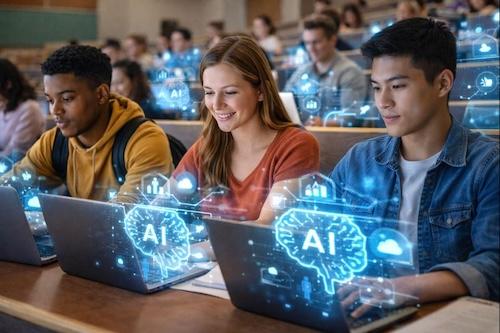
Artificial Intelligence is becoming an important part of modern education. AI-powered learning systems analyze student performance, identify learning gaps, and recommend personalized study materials based on individual progress.
Teachers can also use AI tools to automate grading, generate lesson plans, create quizzes, and monitor classroom engagement. This allows educators to spend more time mentoring students instead of performing repetitive administrative tasks.
Examples of AI in Education
- Smart tutoring systems.
- Automatic grading software.
- Personalized learning paths.
- AI-powered language learning.
- Virtual teaching assistants.
- Student performance analytics.
Rather than replacing teachers, AI enhances the learning experience by providing additional support and personalized guidance.
3. Personalized Learning is Improving Student Success
Every student learns differently. Personalized learning allows educational content to be adapted according to each student`s abilities, interests, and learning pace.
Modern educational platforms use analytics to recommend lessons, practice exercises, and assessments that match each learner`s strengths and weaknesses. Students can spend more time on challenging topics while moving quickly through concepts they already understand.
Advantages of Personalized Learning
- Higher student engagement.
- Improved academic performance.
- Greater learning flexibility.
- Individual learning pathways.
- Better motivation and confidence.
- Reduced learning gaps.
This approach ensures that students receive an education tailored to their unique learning needs instead of following a one-size-fits-all curriculum.
4. Digital Classrooms Encourage Collaboration
Technology has transformed classrooms into collaborative learning environments. Students now work together using cloud-based documents, video conferencing, interactive whiteboards, and educational apps.
Group assignments can be completed remotely, allowing learners from different cities or even countries to collaborate on projects. These experiences help students develop communication, teamwork, and digital collaboration skills that are highly valued by employers.
Popular Digital Classroom Tools
- Video conferencing platforms.
- Cloud document sharing.
- Interactive whiteboards.
- Learning Management Systems (LMS).
- Educational mobile applications.
- Digital assignment portals.
Digital classrooms make learning more interactive while preparing students for modern workplaces where remote collaboration has become increasingly common.
5. Skills-Based Education is Becoming More Important
Employers are increasingly looking for candidates with practical skills rather than relying solely on academic qualifications. As a result, educational institutions are placing greater emphasis on skills-based learning.
Students are encouraged to develop both technical and soft skills, including coding, communication, leadership, creativity, financial literacy, and problem-solving. These competencies help graduates adapt to changing industries and improve their career prospects.
Essential Skills for the Future Workforce
- Critical thinking.
- Problem-solving.
- Digital literacy.
- Communication skills.
- Leadership abilities.
- Creativity and innovation.
- Team collaboration.
Educational institutions that combine academic knowledge with real-world skills better prepare students for success in the evolving global economy.
6. Virtual Reality (VR) and Augmented Reality (AR) Are Revolutionizing Learning
Virtual Reality (VR) and Augmented Reality (AR) have transformed the educational experience by making learning more interactive and immersive. Instead of simply reading about historical events or scientific concepts, students can virtually explore ancient civilizations, conduct science experiments, or travel through the human body in a safe digital environment.
These technologies improve understanding by allowing learners to experience concepts rather than just memorize them. Schools and universities are increasingly adopting VR and AR to make education more engaging and practical.
Benefits of VR and AR in Education
- Interactive learning experiences.
- Improved student engagement.
- Better knowledge retention.
- Safe virtual science experiments.
- Virtual field trips around the world.
- Hands-on technical training.
7. Lifelong Learning Has Become Essential
Education no longer ends after graduation. In today`s rapidly changing world, professionals must continuously update their knowledge and skills to remain competitive. Lifelong learning allows individuals to adapt to technological advancements, industry changes, and new career opportunities.
Many professionals now enroll in online certification programs, workshops, and short courses throughout their careers. Companies also encourage employee development through continuous training programs.
Popular Areas for Lifelong Learning
- Artificial Intelligence
- Cybersecurity
- Digital Marketing
- Cloud Computing
- Project Management
- Business Analytics
- Leadership Development
8. Teachers Are Becoming Learning Facilitators
Modern teachers are no longer limited to delivering lectures. Instead, they act as mentors, coaches, and facilitators who guide students through personalized learning experiences. Technology handles many administrative tasks, allowing educators to focus more on student development.
Teachers encourage collaboration, creativity, independent thinking, and problem-solving rather than relying solely on memorization-based teaching methods.
Modern Teacher Responsibilities
- Guide personalized learning.
- Support student well-being.
- Encourage critical thinking.
- Integrate educational technology.
- Promote teamwork and collaboration.
- Provide continuous feedback.
9. Challenges Facing Modern Education
Despite significant advancements, education systems continue to face several challenges. Unequal access to technology, internet connectivity issues, cybersecurity concerns, and the digital skills gap remain major obstacles in many regions.
Educational institutions must also ensure that technology enhances learning without replacing essential human interaction between teachers and students.
Key Educational Challenges
- Digital inequality.
- Internet accessibility.
- Cybersecurity risks.
- Teacher technology training.
- Student screen-time balance.
- Maintaining academic integrity.
- Protecting student data privacy.
10. The Future of Education Beyond 2026
Education will continue evolving as new technologies emerge. Artificial intelligence, adaptive learning platforms, blockchain-based digital certificates, virtual campuses, and intelligent tutoring systems are expected to become even more common over the next decade.
Future classrooms will likely combine physical and virtual learning environments, giving students greater flexibility while maintaining meaningful interaction with educators and peers.
Future Education Trends
- AI-powered personalized learning.
- Global virtual classrooms.
- Blockchain academic credentials.
- Hybrid learning models.
- Advanced virtual laboratories.
- Gamified learning experiences.
- Greater accessibility through technology.
Common Mistakes Students Should Avoid
- Depending only on memorization.
- Ignoring practical skill development.
- Poor time management.
- Avoiding online learning opportunities.
- Not asking questions in class.
- Ignoring feedback from teachers.
- Failing to develop digital skills.
- Neglecting teamwork and communication.
Frequently Asked Questions (FAQs)
Why is education changing so rapidly?
Technology, changing workforce demands, and global connectivity are driving significant changes in how people learn and teach.
Will Artificial Intelligence replace teachers?
No. AI is designed to support educators by automating routine tasks and providing personalized learning assistance. Teachers remain essential for mentoring, motivation, and human interaction.
Is online education as effective as classroom learning?
When designed well, online education can be highly effective. It offers flexibility, accessibility, and personalized learning opportunities while allowing students to study at their own pace.
What skills are most valuable for students in 2026?
Critical thinking, digital literacy, communication, creativity, teamwork, adaptability, and problem-solving are among the most valuable skills for future careers.
Conclusion
Education in 2026 is more dynamic, flexible, and technology-driven than ever before. Artificial Intelligence, online learning platforms, virtual reality, personalized education, and skills-based training are reshaping how students acquire knowledge and prepare for the future.
While technology plays a significant role in modern education, teachers continue to inspire, guide, and mentor students. The combination of innovative digital tools and dedicated educators creates an environment where learners can thrive academically and professionally.
The future of education is not just about earning degrees—it is about developing lifelong learners who are prepared to adapt, innovate, and succeed in an ever-changing world. Institutions that embrace these changes will help create a smarter, more skilled, and globally connected generation.
Image Suggestions
- future-education-2026.jpg
- online-learning-classroom.jpg
- ai-education-technology.jpg
- virtual-reality-learning.jpg
- students-collaboration-modern-classroom.jpg