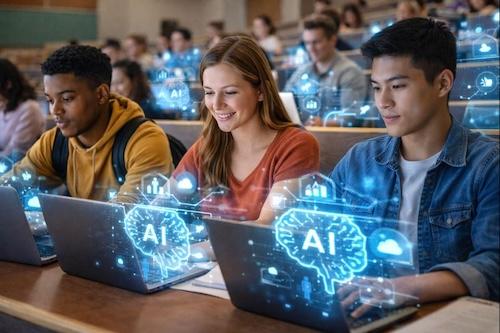
Education has undergone a dramatic transformation over the past decade. With the rapid advancement of digital technology, traditional classrooms are evolving into dynamic, technology-driven learning environments. From online courses to virtual reality classrooms, digital education is reshaping how students learn, teachers instruct, and institutions operate. In a world increasingly dependent on technology, understanding the future of digital education is essential for students, educators, and policymakers alike.
The Rise of Online Learning Platforms
Online learning platforms have become a cornerstone of modern education. Universities, schools, and independent educators now offer courses that can be accessed from anywhere in the world. Platforms like MOOCs (Massive Open Online Courses) allow students to enroll in courses from top institutions without geographical limitations.
This flexibility has made education more accessible than ever before. Students can learn at their own pace, revisit recorded lectures, and access a wealth of resources online. Working professionals can upgrade their skills without leaving their jobs, while students in remote areas can gain access to quality education previously unavailable to them.
Benefits of Digital Education
1. Accessibility and Inclusivity
Digital education breaks down physical and financial barriers. Students with disabilities benefit from assistive technologies such as screen readers, speech-to-text tools, and adjustable learning interfaces. Education is becoming more inclusive and adaptable to diverse learning needs.
2. Personalized Learning Experience
Technology enables personalized learning paths. Artificial Intelligence (AI) systems analyze student performance and recommend customized content. This ensures that learners receive support where needed and advance when ready, rather than following a rigid, one-size-fits-all curriculum.
3. Interactive and Engaging Content
Modern digital classrooms use interactive tools such as smart boards, educational apps, gamified lessons, and multimedia presentations. These tools make learning more engaging and help students retain information more effectively. Virtual simulations and 3D models enhance understanding in subjects like science, engineering, and medicine.
4. Global Collaboration
Students can now collaborate with peers across different countries through video conferencing and online discussion forums. This global exposure enhances cultural understanding and prepares students for international careers.
Challenges in Digital Education
Despite its many advantages, digital education also presents challenges:
- Digital Divide: Not all students have access to reliable internet and devices.
- Lack of Face-to-Face Interaction: Online learning may reduce social engagement.
- Self-Discipline Requirements: Students must manage their time effectively.
- Cybersecurity Concerns: Protecting student data is a growing challenge.
Addressing these issues requires collaboration between governments, educational institutions, and technology providers.
The Role of Artificial Intelligence in Education
AI is playing a crucial role in modern classrooms. Intelligent tutoring systems provide instant feedback, grade assignments, and identify learning gaps. Chatbots answer student queries 24/7, improving communication efficiency.
Predictive analytics helps educators identify students at risk of falling behind, allowing early intervention. AI-driven assessments also reduce administrative workload, enabling teachers to focus more on instruction and mentorship.
Virtual Reality and Augmented Reality in Learning
Virtual Reality (VR) and Augmented Reality (AR) are revolutionizing experiential learning. Students can explore historical landmarks, conduct virtual science experiments, and simulate real-world scenarios. Medical students can practice surgeries in a safe, controlled environment, while engineering students can design and test prototypes virtually.
These immersive technologies enhance engagement and provide practical experience without physical limitations.
Hybrid Learning Models
Hybrid learning combines traditional classroom teaching with online components. This model offers flexibility while maintaining personal interaction between students and teachers. Many institutions are adopting blended learning strategies to provide the best of both worlds.
Hybrid education also allows institutions to optimize resources, reduce infrastructure costs, and expand their reach to a larger audience.
Preparing Students for the Future Workforce
Digital education equips students with essential 21st-century skills, including digital literacy, critical thinking, collaboration, and adaptability. As automation and artificial intelligence reshape industries, continuous learning becomes vital for career success.
Educational institutions are increasingly focusing on STEM (Science, Technology, Engineering, and Mathematics) programs, coding, data analysis, and digital communication skills. Soft skills such as creativity, emotional intelligence, and teamwork are also emphasized.
The Future Outlook of Digital Education
The future of digital education looks promising. As technology continues to advance, we can expect more sophisticated learning tools, personalized educational experiences, and global connectivity. Governments and institutions are investing heavily in digital infrastructure to ensure equitable access to education.
Blockchain technology may soon be used for secure academic credential verification, while AI-powered career guidance systems will help students make informed career decisions.
Conclusion
Digital education is not just a trend; it is a fundamental shift in how knowledge is delivered and consumed. Technology has opened new opportunities for learning, collaboration, and innovation. While challenges remain, the benefits of digital education far outweigh the drawbacks.
By embracing technological advancements, investing in infrastructure, and prioritizing inclusivity, we can create an education system that prepares students for a rapidly changing world. The future of education is digital, dynamic, and globally connected.