Innovation has always been the driving force behind human progress. In 2026, modern features powered by advanced technology are transforming how people work, communicate, travel, shop, and manage their daily lives. From artificial intelligence and automation to smart devices and cloud-based services, feature-rich technologies are becoming an essential part of everyday experiences.
Businesses and consumers alike are benefiting from innovations designed to improve convenience, efficiency, security, and productivity. What was once considered futuristic is now becoming standard across industries. As technology continues to evolve, understanding the features shaping modern life is important for anyone looking to stay ahead in a rapidly changing world.
What Are Modern Features?
Modern features refer to advanced capabilities integrated into products, services, software, and devices that enhance user experiences and improve functionality. These features are designed to solve problems, simplify tasks, and provide greater value to users.
Examples include voice assistants, facial recognition, cloud synchronization, predictive analytics, smart automation, personalized recommendations, and enhanced cybersecurity systems. Such features are increasingly becoming standard expectations rather than optional additions.
Characteristics of Modern Features
- User-friendly design and accessibility.
- Automation of repetitive tasks.
- Personalized user experiences.
- Cloud-based connectivity.
- Real-time data processing.
- Enhanced security and privacy controls.
- Integration across multiple platforms.
The Rise of Artificial Intelligence Features
Artificial intelligence is at the heart of many modern innovations. AI-powered features are helping users make smarter decisions, automate tasks, and access personalized experiences. From virtual assistants and chatbots to recommendation engines and predictive software, AI has become a key component of digital transformation.
Streaming platforms recommend content based on viewing history, online stores suggest products tailored to customer preferences, and navigation applications optimize routes using real-time traffic information. These intelligent features enhance convenience while saving time and effort.
Smart Home Features Transforming Daily Living
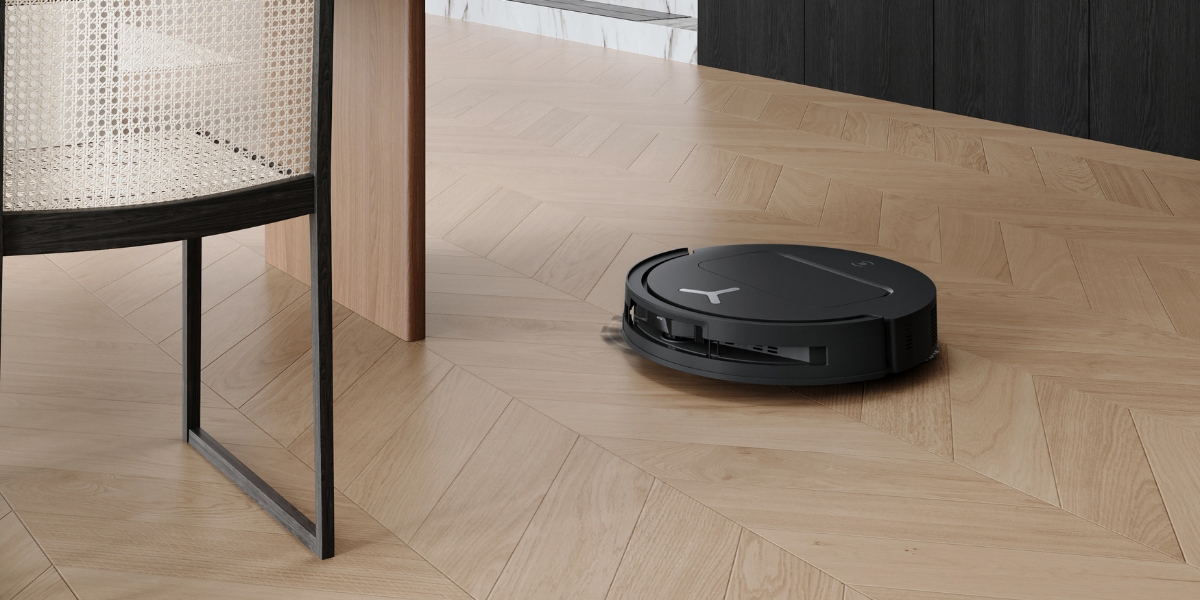
Smart home technology has experienced significant growth in recent years. Homeowners can now control lighting, security systems, appliances, thermostats, and entertainment devices from their smartphones or through voice commands.
These features provide greater comfort, energy efficiency, and security. Smart cameras can monitor properties remotely, while intelligent thermostats automatically adjust temperatures based on user habits and weather conditions. Such innovations contribute to both convenience and cost savings.
Popular Smart Home Features
- Voice-controlled assistants.
- Remote home monitoring.
- Automated lighting systems.
- Smart thermostats.
- Connected security cameras.
- Energy usage tracking.
- Smart appliance management.
Cloud-Based Features Enhancing Productivity
Cloud technology has revolutionized how individuals and businesses manage information. Modern cloud features allow users to access files, applications, and services from any location with an internet connection.
Real-time collaboration tools enable teams to work together seamlessly regardless of geographical boundaries. Automatic backups, cloud storage, and synchronized data ensure information remains secure and accessible at all times.
Security Features in the Digital Age
As cyber threats become increasingly sophisticated, advanced security features are essential for protecting personal and business data. Modern security systems incorporate multiple layers of protection to reduce risks and improve privacy.
Biometric authentication, two-factor authentication, encrypted communication, and AI-powered threat detection are among the most widely adopted security innovations. These features help users safeguard sensitive information while maintaining convenience.
Important Security Features
- Fingerprint authentication.
- Facial recognition technology.
- Two-factor authentication.
- Encrypted cloud storage.
- Real-time threat monitoring.
- Secure payment systems.
- Privacy management controls.
Personalization Features Improving User Experience
Personalization has become one of the most valuable features in modern products and services. Businesses use data analytics and machine learning to understand customer preferences and deliver tailored experiences.
Personalized recommendations help users discover relevant content, products, and services. Customized dashboards, adaptive interfaces, and intelligent notifications ensure that users receive information most relevant to their interests and needs.
Mobile Features Driving Connectivity
Smartphones continue to serve as the primary gateway to digital experiences. Modern mobile devices offer advanced features such as high-resolution cameras, AI-assisted photography, digital wallets, health monitoring tools, and seamless cloud integration.
Mobile technology has transformed communication, entertainment, education, and commerce. With faster processors and improved connectivity, smartphones now function as powerful personal productivity tools.
Trending Mobile Features in 2026
- AI-powered camera enhancements.
- Advanced biometric security.
- Digital payment integration.
- Health and fitness tracking.
- Cloud synchronization.
- Voice assistant capabilities.
- Real-time language translation.
Features Revolutionizing Business Operations
Businesses are adopting feature-rich technologies to streamline operations and improve customer satisfaction. Automation tools reduce manual workloads, while data analytics platforms provide valuable insights for strategic decision-making.
Customer relationship management systems, intelligent chatbots, automated workflows, and predictive analytics help organizations improve efficiency and remain competitive in dynamic markets.
The Role of User Experience in Feature Development
Modern feature development is increasingly focused on user experience. Consumers expect products and services to be intuitive, responsive, and easy to use. Companies invest heavily in research and testing to ensure that new features address genuine user needs.
Successful innovations are often those that simplify complex tasks rather than adding unnecessary complexity. User-centered design principles guide the development of products that are both powerful and accessible.
Challenges of Feature Overload
While innovation creates opportunities, excessive features can sometimes overwhelm users. Feature overload occurs when products include too many functions, making them difficult to navigate or understand.
Organizations must balance innovation with simplicity. The most effective features are those that solve real problems while maintaining ease of use and accessibility.
Future Trends in Smart Features
The next generation of features is expected to focus on deeper integration between devices, more advanced artificial intelligence, enhanced privacy controls, and improved automation. Technologies such as augmented reality, digital twins, edge computing, and generative AI will likely introduce entirely new capabilities across industries.
Consumers will increasingly expect seamless experiences where devices, applications, and services work together intelligently. Companies that successfully deliver these experiences will gain a significant competitive advantage.
Conclusion
Modern features are redefining how people interact with technology and the world around them. From smart homes and cloud computing to personalized services and advanced security systems, innovation is creating more efficient, connected, and convenient experiences.
As technology continues to evolve, feature-rich solutions will play an increasingly important role in shaping the future. Understanding and embracing these innovations can help individuals and organizations maximize opportunities, improve productivity, and thrive in the digital age.