Politics shapes societies, economies, and the daily lives of citizens around the world. In 2026, global politics is witnessing unprecedented changes due to technological advancements, social movements, and shifting international alliances. Understanding these dynamics is crucial for citizens, policymakers, and businesses alike.
Major Trends in Global Politics
Several key trends are redefining the political landscape across the world.
Rise of Digital Governance
Governments are increasingly adopting digital platforms for governance. E-governance systems improve transparency, efficiency, and citizen participation in decision-making processes.
Shifting Geopolitical Alliances
Economic and security alliances are evolving, with countries forming new partnerships to address regional challenges, trade, and defense strategies.
Influence of Social Movements
Grassroots movements and social activism are influencing policy decisions globally. Citizens are using digital platforms to mobilize support, raise awareness, and hold governments accountable.
Technology and Politics
Technology is playing an increasingly central role in shaping political campaigns, public opinion, and policy implementation.
Social Media in Politics
Social media platforms are powerful tools for communication, campaigning, and advocacy. Politicians use these platforms to engage voters directly, while citizens voice opinions and participate in debates.
Data Analytics and Policy Making
Governments are leveraging big data and AI to understand social trends, predict outcomes, and craft informed policies. Data-driven governance is becoming a standard practice worldwide.
Challenges in Modern Politics
Despite technological and social advancements, modern politics faces significant challenges.
Polarization and Partisanship
Political polarization has intensified in many countries, affecting governance and social cohesion. Bridging divides is a key challenge for policymakers.
Global Conflicts and Diplomacy
Ongoing conflicts and tensions between nations require diplomatic solutions. International cooperation remains essential for peace and stability.
Role of Citizens in Politics
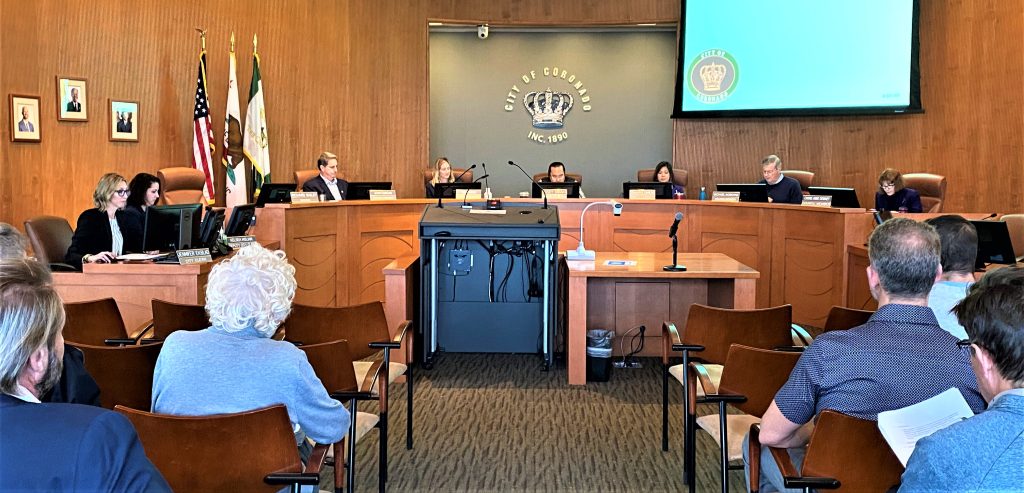
Active citizen engagement is vital for a healthy democracy. Voting, advocacy, and participation in public discourse strengthen accountability and transparency.
Education and Awareness
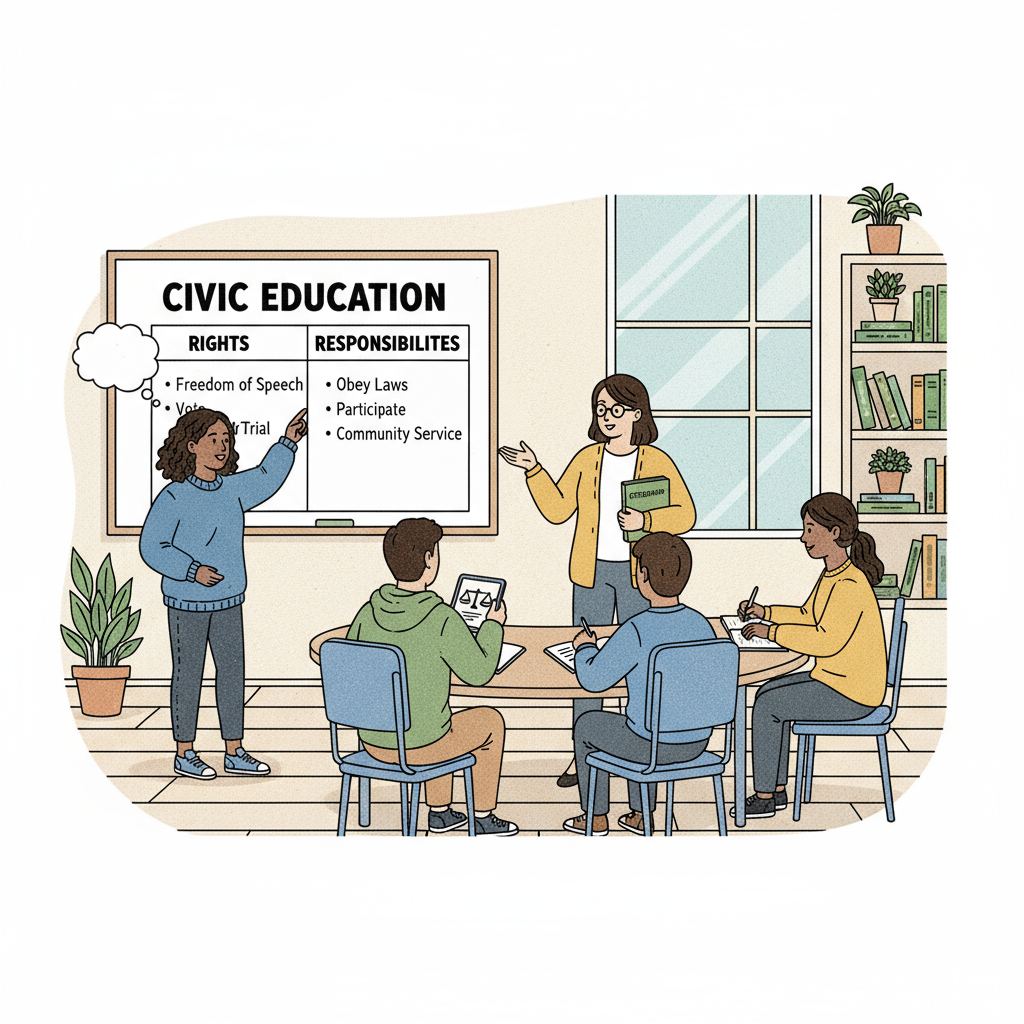
Political literacy and civic education empower citizens to make informed decisions and hold leaders accountable.
Grassroots Participation
Local initiatives and community engagement help address societal issues and foster a sense of responsibility among citizens.
Future of Politics
Looking ahead, global politics will continue to evolve. Trends such as digital governance, climate policy, and international cooperation will dominate political discourse. Adaptation and proactive engagement are crucial for both governments and citizens.
Conclusion
The political landscape in 2026 is dynamic and complex. Technology, social movements, and global challenges are reshaping governance and policymaking. Understanding these shifts is essential for informed citizenship and effective participation in shaping the future of nations.