The concept of smart living has evolved rapidly over the past decade. In 2026, technology is no longer limited to smartphones and computers; it has seamlessly integrated into our homes, workplaces, and daily routines. From smart homes to wearable devices, technology is reshaping how people live, work, and interact with the world around them.
What is Smart Living?
Smart living refers to the use of advanced technologies such as artificial intelligence, Internet of Things (IoT), and automation to enhance comfort, efficiency, and quality of life. These technologies work together to simplify tasks, improve security, and promote sustainable living.
The Rise of Connected Lifestyles
Modern lifestyles are becoming increasingly connected. Smart devices communicate with each other through the internet, allowing users to control lighting, temperature, security systems, and appliances with just a few taps on their smartphones.
Key Features of Smart Living
1. Smart Homes
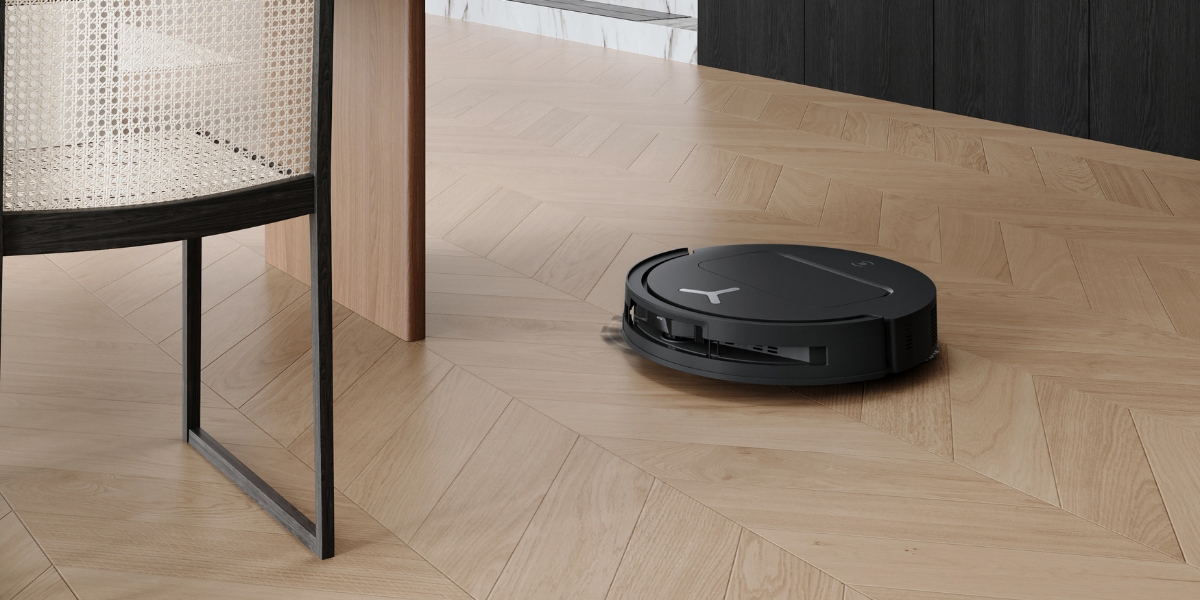
Smart homes are equipped with automated systems that manage lighting, heating, cooling, and security. Voice assistants and mobile apps allow homeowners to control their environment remotely, improving convenience and energy efficiency.
2. Wearable Technology
Wearable devices such as smartwatches and fitness trackers monitor health metrics including heart rate, sleep patterns, and physical activity. These devices help users make informed decisions about their health and lifestyle.
3. Smart Transportation
Technology is also transforming transportation. Smart navigation systems, electric vehicles, and ride-sharing platforms are reducing traffic congestion and environmental impact while improving travel efficiency.
Role of Artificial Intelligence in Daily Life
Artificial intelligence plays a central role in smart living. AI-powered systems learn user preferences and behaviors, providing personalized recommendations and automating routine tasks. From smart assistants to recommendation algorithms, AI is enhancing everyday experiences.
AI-Powered Personal Assistants
Virtual assistants help users manage schedules, control smart devices, and access information instantly. As AI continues to improve, these assistants are becoming more intuitive and conversational.
Smart Living and Sustainability
One of the biggest advantages of smart living is its contribution to sustainability. Smart energy systems optimize electricity usage, reduce waste, and lower carbon emissions. Eco-friendly technologies are helping individuals and communities adopt greener lifestyles.
Energy-Efficient Solutions
Smart thermostats, energy monitoring systems, and automated lighting reduce unnecessary energy consumption. These solutions not only save money but also protect the environment.
Challenges of Smart Living
Despite its benefits, smart living comes with challenges such as data privacy, cybersecurity risks, and high initial costs. Ensuring secure systems and educating users about digital safety is essential for widespread adoption.
Privacy and Data Security
Smart devices collect large amounts of personal data. Protecting this information from unauthorized access is a major concern. Strong security measures and transparent data policies are critical for building user trust.
Future of Smart Living
The future of smart living looks promising. Advancements in AI, 5G connectivity, and automation will make smart technologies more affordable and accessible. Smart cities, intelligent infrastructure, and connected communities will redefine urban living.
Impact on Society
Smart living is changing how people interact with technology and each other. It promotes efficiency, inclusivity, and innovation across industries such as healthcare, education, and transportation.
Conclusion
Smart living in 2026 represents a shift toward a more connected, efficient, and sustainable lifestyle. As technology continues to evolve, embracing smart features will help individuals improve their quality of life and adapt to the demands of the modern world.