The world of gadgets is evolving faster than ever before. In 2026, smart devices are no longer limited to smartphones and laptops. From AI-powered home assistants to wearable health trackers, technology has seamlessly integrated into everyday life. These gadgets are designed not just for convenience, but for efficiency, productivity, entertainment, and even health management.
Modern consumers expect devices that are intelligent, connected, and capable of learning their habits. As innovation accelerates, smart gadgets are becoming smaller, faster, and more powerful.
The Evolution of Smart Gadgets
A decade ago, most gadgets operated independently. Today, connectivity is the key feature. Devices communicate with each other through the Internet of Things (IoT), creating an interconnected digital ecosystem.
Key Advancements
- Faster processors and AI integration
- Cloud synchronization
- Voice command technology
- Energy-efficient hardware
- Wireless charging capabilities
This evolution has transformed ordinary devices into smart companions that assist users in real-time.
Smartphones: More Powerful Than Ever
Smartphones remain at the center of the digital ecosystem. In 2026, they are equipped with advanced AI chips, ultra-fast processors, and professional-grade cameras.
AI-Powered Features
Modern smartphones can predict user behavior, optimize battery performance, enhance photography automatically, and provide intelligent suggestions.
Foldable and Flexible Displays
Flexible screen technology has matured, allowing users to enjoy tablet-sized displays in pocket-sized devices.
Enhanced Security
Biometric authentication, including facial recognition and fingerprint scanning, ensures better data protection.
Wearable Technology
Wearables have moved beyond simple fitness tracking. Smartwatches and fitness bands now monitor heart rate, blood oxygen levels, sleep patterns, and stress levels.
Health Monitoring
Some devices can detect irregular heart rhythms and alert users to potential health risks. This has made wearables valuable tools for preventive healthcare.
Seamless Connectivity
Wearables sync with smartphones and cloud platforms, providing instant notifications and updates.
Smart Home Devices
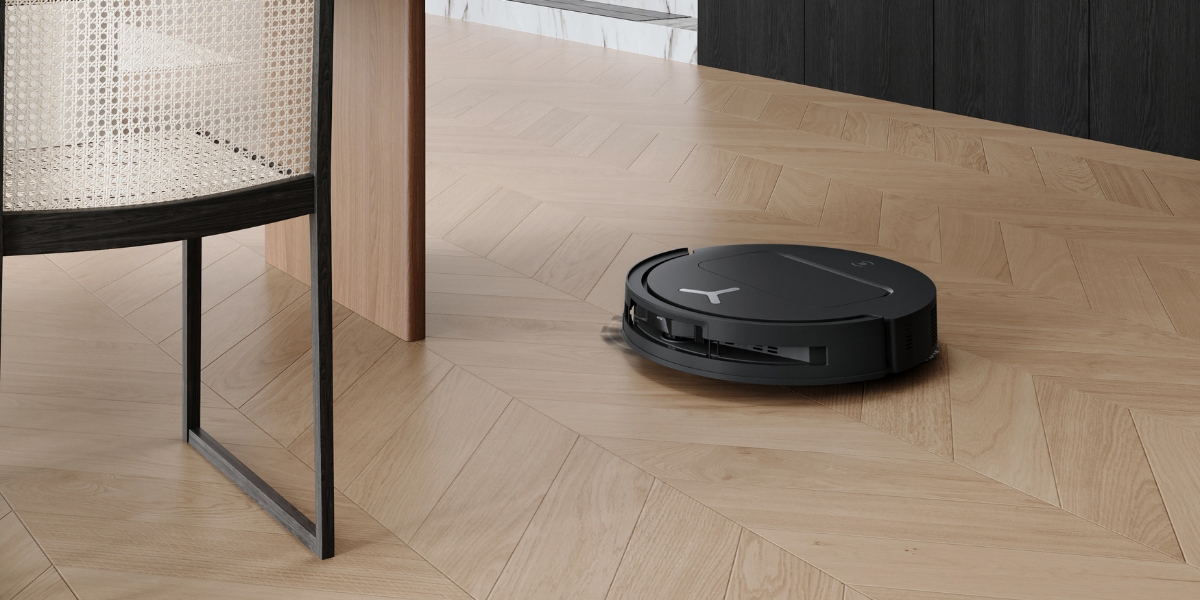
Smart homes are becoming increasingly common. Voice assistants, smart thermostats, security cameras, and automated lighting systems are enhancing convenience and safety.
Voice Assistants
AI-powered assistants respond to voice commands, control appliances, and answer questions instantly.
Home Security Systems
Smart cameras and doorbells provide live monitoring and motion detection alerts, ensuring home safety.
Energy Efficiency
Smart thermostats learn household patterns and adjust temperature automatically, reducing energy consumption.
Portable Productivity Gadgets
Remote work and digital businesses have increased demand for portable productivity tools.
- Noise-canceling headphones for focused work
- Portable monitors for multitasking
- Wireless keyboards and ergonomic mice
- Compact power banks with fast charging
These gadgets enhance work efficiency while maintaining mobility.
Gaming and Entertainment Gadgets
Gaming technology has reached new heights. Virtual reality (VR) headsets provide immersive experiences, while advanced consoles deliver ultra-realistic graphics.
Cloud Gaming
Cloud-based gaming platforms allow users to stream games without high-end hardware.
Immersive Audio
Spatial audio technology creates lifelike sound experiences for gaming and movies.
Challenges in the Gadget Industry
Privacy Concerns
With increased connectivity comes increased data collection. Companies must prioritize user privacy and cybersecurity.
Electronic Waste
Rapid upgrades contribute to e-waste. Sustainable manufacturing and recycling initiatives are becoming essential.
High Costs
Premium gadgets often come with high price tags, limiting accessibility for some consumers.
The Future of Smart Gadgets
Looking ahead, gadgets will become more integrated with artificial intelligence and augmented reality. Devices may anticipate user needs before commands are given.
Battery technology is expected to improve significantly, offering longer life and faster charging. Sustainable materials and eco-friendly production will also shape future designs.
In 2026 and beyond, smart gadgets will not just assist us—they will enhance productivity, health, entertainment, and overall quality of life.
Conclusion
Smart gadgets are redefining how we live, work, and interact. From smartphones to wearables and smart homes, technology continues to evolve at an extraordinary pace.
As innovation accelerates, consumers must balance convenience with privacy and sustainability. The future of gadgets is intelligent, connected, and limitless.