Education in 2026 is undergoing a powerful transformation. Traditional exam-focused systems are gradually shifting toward skill-based learning models that emphasize critical thinking, creativity, adaptability, and real-world application. As industries evolve rapidly due to technological advancement, educational institutions are redesigning their curricula to prepare students for careers that may not even exist yet.
The focus is no longer limited to memorizing facts or scoring high grades. Instead, schools and universities are prioritizing practical skills, problem-solving abilities, and lifelong learning habits. This change reflects the demands of a dynamic global economy where flexibility and innovation are essential.
What Is Skill-Based Education?
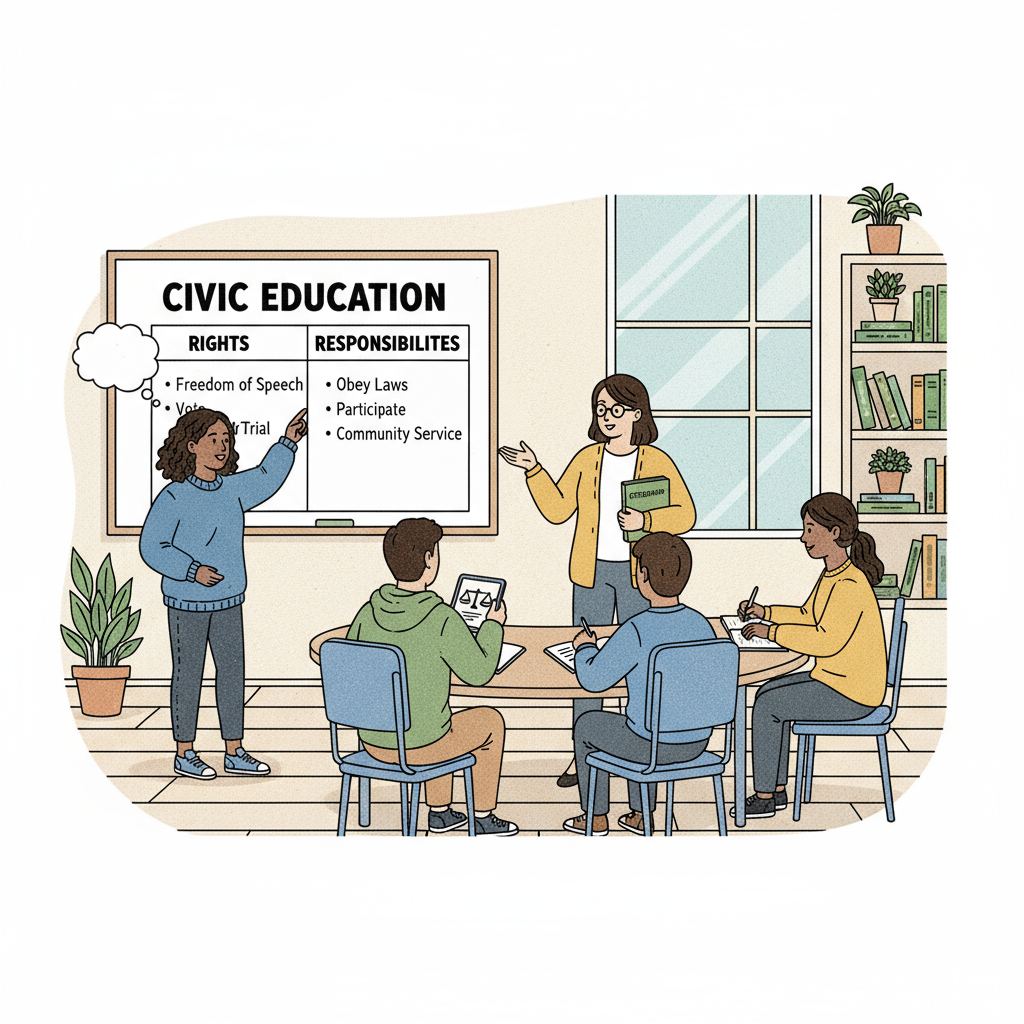
Skill-based education emphasizes the development of practical competencies rather than rote memorization. It integrates knowledge with hands-on experience, allowing students to apply what they learn in meaningful contexts.
This approach prepares learners not just for exams, but for real-world challenges in professional and personal life.
Core Elements of Skill-Based Learning
- Project-based assignments
- Collaborative group work
- Internships and industry exposure
- Critical thinking exercises
- Digital literacy training
By focusing on these elements, institutions aim to produce confident and capable graduates.
The Shift from Degrees to Skills
Employers in 2026 are increasingly valuing demonstrable skills over traditional academic degrees. While formal qualifications remain important, practical expertise often carries greater weight during hiring decisions.
Professional certifications, portfolio projects, and real-world experience have become critical components of career development.
Industries Leading the Skill Movement
- Information Technology
- Digital Marketing
- Healthcare Technology
- Renewable Energy
- Creative Media and Design
These sectors demand adaptable professionals who can continuously upgrade their capabilities.
Technology’s Role in Skill Development
Digital platforms have made skill acquisition more accessible than ever. Online learning portals, interactive simulations, and AI-driven tutoring systems provide personalized educational experiences.
Students can now learn coding, graphic design, financial management, and communication skills through affordable online programs.
Benefits of Technology in Education
- Flexible learning schedules
- Access to global instructors
- Interactive multimedia lessons
- Real-time performance tracking
- Self-paced progress
Technology bridges educational gaps and supports independent learning journeys.
Importance of Soft Skills
In addition to technical knowledge, soft skills are gaining prominence. Communication, teamwork, leadership, and emotional intelligence are now considered essential for workplace success.
Educational institutions are incorporating debate sessions, public speaking activities, and leadership workshops to enhance interpersonal abilities.
Key Soft Skills for 2026
- Problem-solving ability
- Adaptability and resilience
- Digital communication skills
- Collaboration across cultures
- Time management
These competencies empower students to thrive in diverse and evolving professional environments.
Internships and Industry Collaboration
Partnerships between educational institutions and businesses are becoming more common. Internships, mentorship programs, and live industry projects provide valuable exposure to real-world operations.
Students gain insights into workplace expectations while building professional networks early in their careers.
Challenges in Implementing Skill-Based Education
Despite its advantages, transitioning to skill-focused systems presents challenges:
- Curriculum redesign requirements
- Teacher training needs
- Assessment method adjustments
- Resource limitations in some regions
Governments and private institutions must collaborate to ensure equitable access to quality education.
Role of Parents and Community
Parents play a crucial role in supporting skill development. Encouraging creativity, independent thinking, and extracurricular activities enhances a child’s growth beyond classroom learning.
Community involvement through workshops, career fairs, and mentorship programs further strengthens educational outcomes.
The Future of Education
The future of education will likely combine academic knowledge with experiential learning. Virtual reality simulations, AI-based career guidance tools, and micro-credential programs will become increasingly common.
Lifelong learning will become the norm, as professionals continuously update skills to remain competitive.
Conclusion
Skill-based education in 2026 reflects a forward-thinking approach to preparing students for a rapidly changing world. By prioritizing practical knowledge, digital literacy, and soft skills, institutions are equipping learners with tools for long-term success.
Education is no longer just about earning degrees—it is about developing abilities that create impact. As industries continue to evolve, skill-based learning will remain the foundation of a resilient and innovative society.
The future belongs to adaptable learners who are ready to grow, innovate, and lead.