Politics plays a vital role in shaping societies, governments, and everyday life. It influences laws, economic policies, education systems, healthcare, and international relations. In the modern world, politics affects how countries function and how citizens experience freedom, justice, and equality.
What Is Politics?
Politics is the process through which decisions are made for a group of people, especially within governments and institutions. It involves leadership, power, public policies, and the distribution of resources.
Importance of Politics in Society
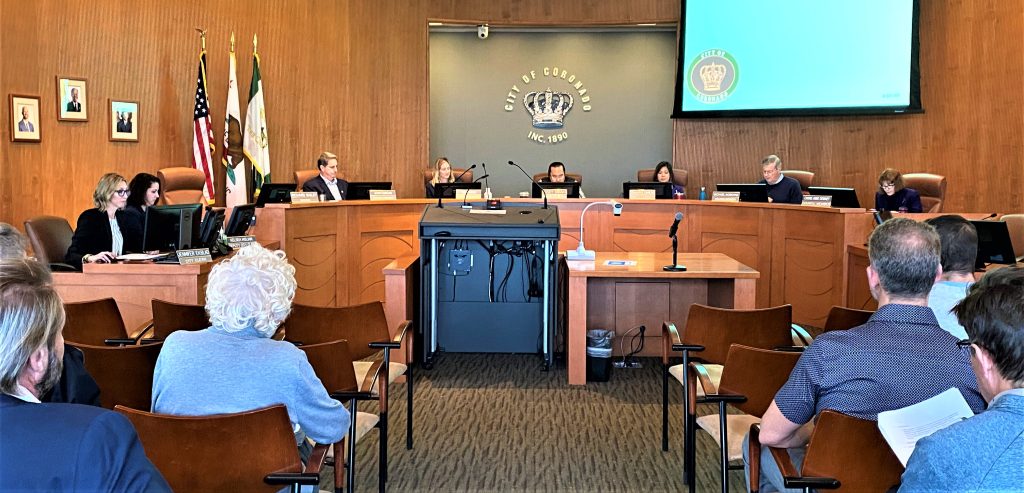
Politics determines how a country is governed and how public issues are addressed. Strong political systems promote stability, development, and public welfare.
Law and Order
Political institutions create and enforce laws that maintain order in society. Fair laws protect citizens’ rights and ensure justice for all.
Economic Development
Government policies influence economic growth, employment, taxation, and trade. Political stability attracts investment and supports long-term development.
Types of Political Systems
Different countries follow different political systems based on their history and culture.
Democracy
Democracy allows citizens to choose their leaders through elections. It promotes freedom of speech, equality, and public participation.
Authoritarian Systems
In authoritarian systems, power is concentrated in the hands of a few. Public participation is limited, and decisions are made centrally.
Role of Citizens in Politics
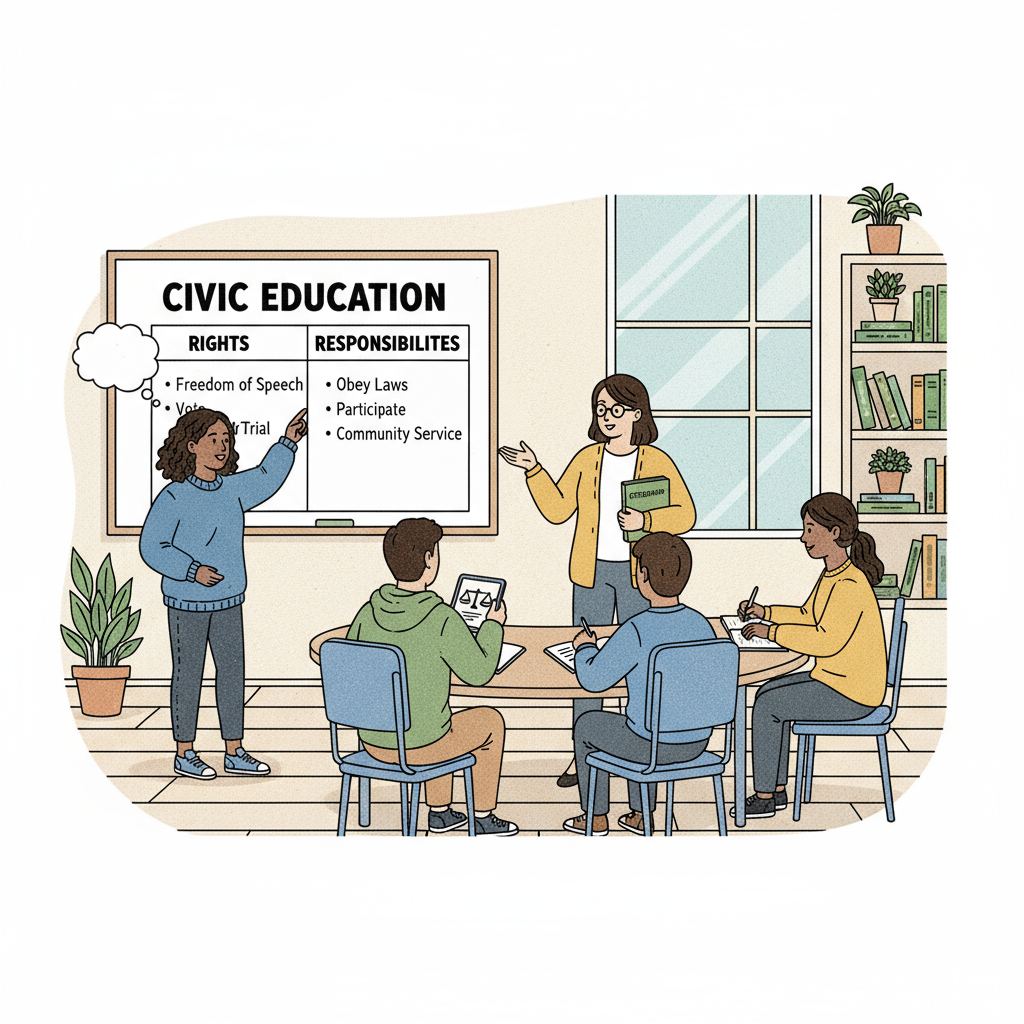
Citizens play a crucial role in political systems. Voting, public debate, and civic engagement strengthen democracy.
Voting and Elections
Voting allows citizens to express their opinions and choose representatives who reflect their interests.
Freedom of Expression
Political awareness and free media help people stay informed and hold leaders accountable.
Politics and Media
Media plays a powerful role in modern politics. News outlets, social media, and digital platforms shape public opinion and political narratives.
Digital Politics
Social media has transformed political communication. Leaders can directly connect with citizens, but misinformation remains a major challenge.
Challenges in Modern Politics
Politics today faces many challenges, including corruption, polarization, and lack of public trust.
Political Polarization
Increasing division among political groups can weaken national unity and cooperation.
Corruption
Corruption damages public trust and slows economic and social progress.
The Future of Politics
The future of politics depends on transparency, digital governance, and active citizen participation. Young generations are becoming more politically aware and demand accountability from leaders.
Conclusion
Politics shapes the direction of societies and nations. A fair and transparent political system promotes peace, development, and equality. Active participation and awareness are essential for a strong and successful democracy.