Introduction
Politics plays a crucial role in shaping societies, governing nations, and influencing the lives of citizens. Among the many political systems that exist today, democracy is considered one of the most widely practiced and influential forms of governance. In a democratic system, power ultimately belongs to the people, who choose their leaders through fair and regular elections.
Modern democracies aim to ensure freedom, equality, and participation in the political process. They encourage citizens to engage in decision-making and hold governments accountable for their actions. As the world becomes increasingly interconnected, democratic values continue to influence political systems across the globe.
Understanding Democracy
Democracy is a system of government in which citizens have the authority to choose their representatives. These representatives are responsible for making laws, developing policies, and managing national affairs on behalf of the people.
The concept of democracy is based on several core principles, including political equality, freedom of expression, and the protection of individual rights.
Key Principles of Democracy
- Free and fair elections
- Protection of human rights
- Rule of law
- Freedom of speech and expression
- Accountability of government leaders
These principles help ensure that governments remain responsible to their citizens and that political power is not concentrated in the hands of a few individuals.
The Importance of Elections
Elections are a fundamental component of democratic systems. They provide citizens with the opportunity to select leaders who represent their interests and values. Regular elections also allow voters to evaluate the performance of political leaders and decide whether they should remain in office.
Transparent electoral processes build trust between governments and citizens. When elections are conducted fairly and openly, they strengthen the legitimacy of political institutions.
Types of Elections
- Presidential elections to select national leaders
- Parliamentary elections to choose legislative representatives
- Local elections for regional and municipal governance
- Referendums where citizens vote on specific issues
Each type of election allows citizens to influence political decisions and participate in shaping public policy.
The Role of Political Institutions
Political institutions play a key role in implementing democratic principles. These institutions include legislative bodies, executive leadership, and independent judicial systems. Together, they form the structure through which governments operate.
A balanced system of institutions helps prevent the misuse of power. Checks and balances ensure that no single branch of government becomes too powerful.
Separation of Powers
Many democratic systems follow the principle of separation of powers. This means that government authority is divided among different branches, each with its own responsibilities.
For example, the legislative branch creates laws, the executive branch implements them, and the judiciary interprets them. This structure promotes accountability and stability in governance.
The Influence of Media in Politics
Media plays a vital role in modern political systems by informing citizens about current events, government actions, and public policies. Through newspapers, television, online platforms, and social media, people gain access to information that helps them make informed political decisions.
A free and independent media is essential for democracy because it allows journalists to investigate government activities and report on issues that affect society.
Digital Media and Political Engagement
The rise of digital media has significantly changed the political landscape. Social media platforms allow politicians to communicate directly with citizens, while voters can express their opinions and participate in discussions.
However, digital media also presents challenges such as misinformation and political polarization. Ensuring accurate and responsible communication is essential in the digital age.
Challenges Facing Modern Democracies
Despite its advantages, democracy faces several challenges in the modern world. Political polarization, misinformation, and declining public trust in institutions are issues that many democratic societies must address.
Political Polarization
Political polarization occurs when citizens become deeply divided in their political beliefs. This can make it difficult for governments to reach compromises and implement policies that benefit society as a whole.
Misinformation and Fake News
The spread of misinformation through digital platforms can influence public opinion and undermine democratic processes. Governments, media organizations, and technology companies must work together to promote accurate information.
The Future of Democracy
As societies evolve, democratic systems must adapt to new challenges and opportunities. Technology, globalization, and changing social expectations are shaping the future of governance.
Digital voting systems, increased transparency, and greater civic participation may help strengthen democratic institutions. Governments are also exploring new ways to engage citizens in policymaking and public discussions.
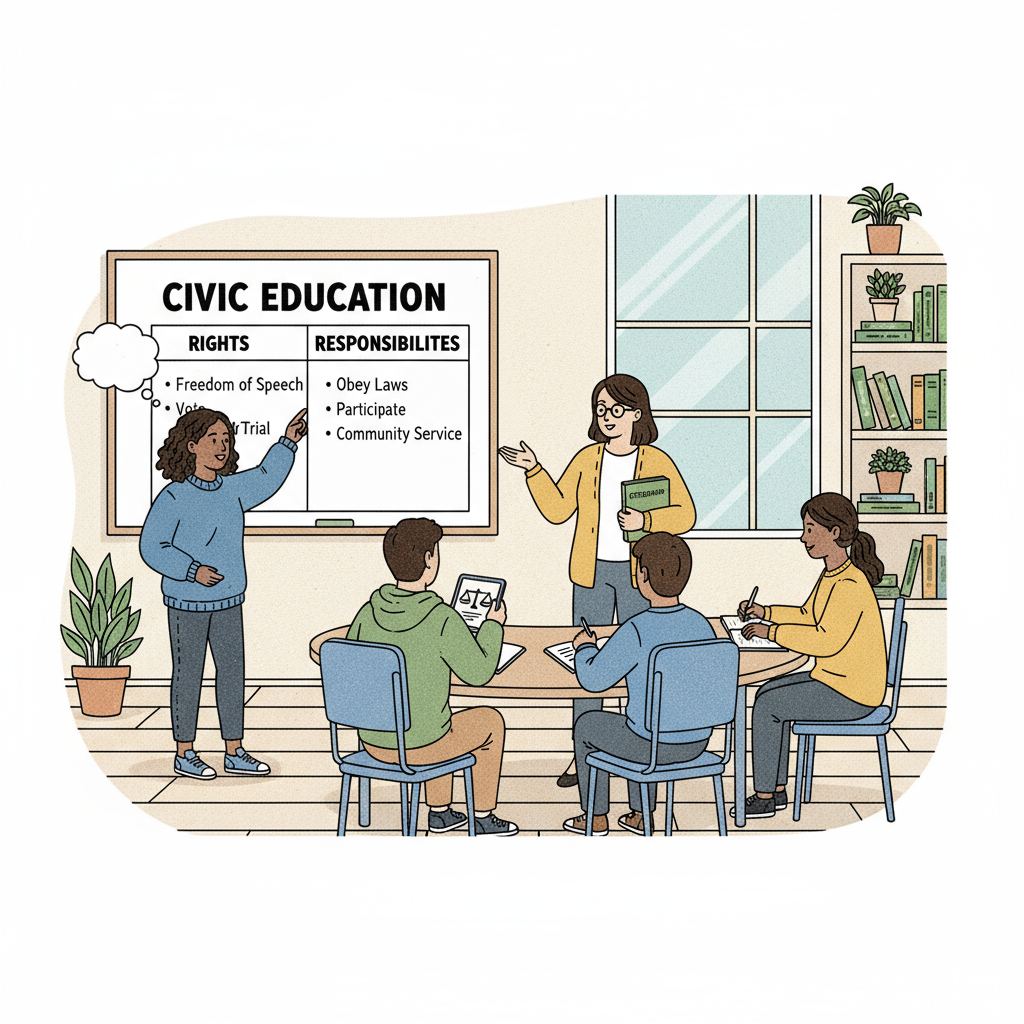
Educating citizens about political processes and encouraging responsible participation will remain essential for maintaining strong democracies.
Conclusion
Democracy remains one of the most influential political systems in the modern world. By allowing citizens to participate in governance, it promotes freedom, equality, and accountability.
While democratic systems face challenges such as misinformation and political division, their core principles continue to guide many nations. Transparent institutions, free elections, and active citizen participation are essential for maintaining democratic values.
As political systems continue to evolve, strengthening democratic institutions and promoting civic engagement will be key to building stable and prosperous societies in the future.