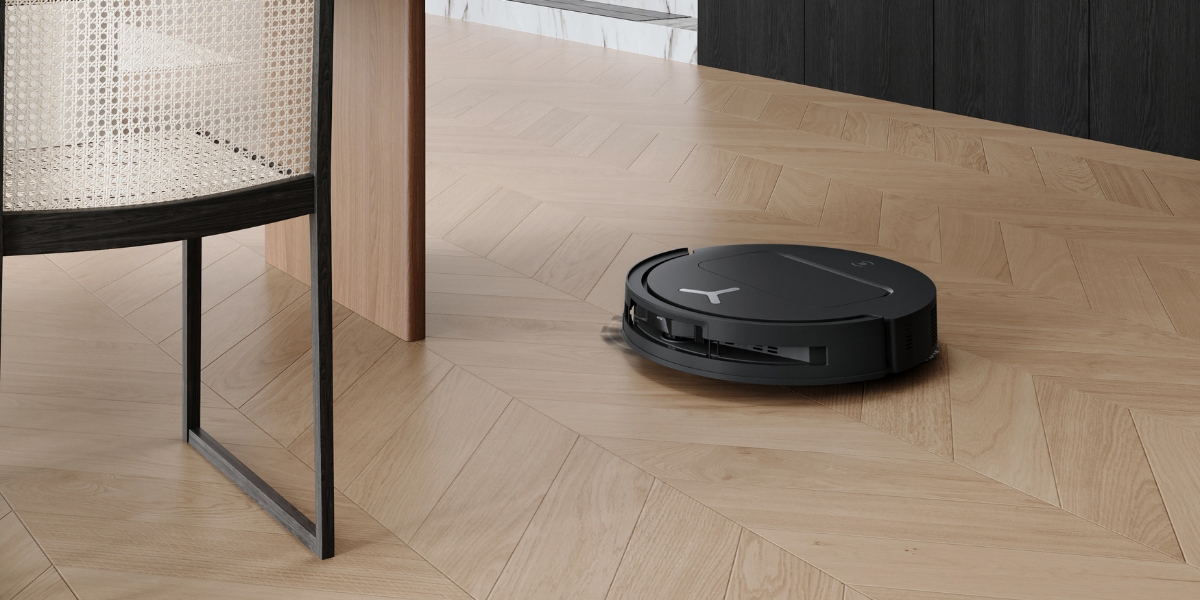
The concept of smart living is no longer a futuristic dream—it has become a reality shaping how people live, work, and interact with their surroundings. With rapid advancements in technology, everyday life is becoming more efficient, connected, and convenient. From smart homes to wearable devices, technology is seamlessly integrating into daily routines, creating a more intelligent and responsive environment.
What is Smart Living?
Smart living refers to the use of advanced technologies and interconnected devices to improve the quality of life. It involves integrating systems such as lighting, security, entertainment, and appliances into a unified network that can be controlled remotely or automated.
At the core of smart living is the Internet of Things (IoT), which enables devices to communicate with each other and share data. This connectivity allows users to control various aspects of their homes and lifestyles through smartphones, tablets, or voice commands.
Key Components of Smart Living
1. Smart Homes
Smart homes are equipped with devices such as smart thermostats, lighting systems, and security cameras. These systems can be controlled remotely, offering convenience and energy efficiency.
2. Wearable Technology
Wearables like smartwatches and fitness trackers monitor health metrics such as heart rate, steps, and sleep patterns. They help users stay informed about their health and make better lifestyle choices.
3. Smart Appliances
Appliances such as refrigerators, washing machines, and ovens are becoming smarter. They can be programmed, monitored, and controlled through mobile apps.
4. Connected Transportation
Smart living extends beyond homes to transportation. Features like GPS navigation, real-time traffic updates, and autonomous driving technologies are transforming how people commute.
Benefits of Smart Living
Convenience
Smart devices simplify everyday tasks. From adjusting room temperature to managing home security, everything can be controlled with a few taps on a smartphone.
Energy Efficiency
Smart systems optimize energy usage by automatically adjusting settings based on user behavior. This reduces energy consumption and lowers utility bills.
Enhanced Security
Smart security systems provide real-time monitoring and alerts, ensuring better protection for homes and families.
Improved Health and Wellness
Wearable devices and health apps encourage healthier lifestyles by tracking fitness and providing insights into physical well-being.
Challenges of Smart Living
Privacy Concerns
With increased connectivity comes the risk of data breaches. Protecting personal information is a major concern for users of smart technologies.
High Initial Costs
Setting up a smart home or purchasing advanced devices can be expensive, making it less accessible for some individuals.
Dependence on Technology
Over-reliance on smart devices may reduce human interaction and create dependency on technology for basic tasks.
Compatibility Issues
Not all devices are compatible with each other, which can create challenges in building a fully integrated smart ecosystem.
The Future of Smart Living
The future of smart living is promising, with continuous advancements in artificial intelligence, machine learning, and IoT. Homes will become even more autonomous, anticipating user needs and making decisions proactively.
Smart cities are also emerging, where infrastructure, transportation, and public services are interconnected. This will lead to more efficient urban living and improved quality of life.
How to Start Adopting Smart Living
Start Small
Begin with simple devices like smart bulbs or plugs before investing in a complete smart home system.
Choose Compatible Devices
Ensure that the devices you purchase can work together seamlessly to avoid integration issues.
Prioritize Security
Use strong passwords and secure networks to protect your smart devices from cyber threats.
Stay Updated
Keep your devices updated with the latest software to ensure optimal performance and security.
Conclusion
Smart living is transforming everyday life by making it more convenient, efficient, and connected. While challenges exist, the benefits far outweigh the drawbacks. As technology continues to evolve, smart living will become more accessible and integrated into daily life.
Embracing smart living is not just about adopting new gadgets—it’s about creating a lifestyle that leverages technology to improve comfort, safety, and overall well-being. The future is smart, and it is already here.