Storytelling is one of the oldest and most powerful forms of communication. From ancient cave paintings to modern digital platforms, stories have shaped cultures, influenced opinions, and connected people across generations. In today’s fast-paced digital world, storytelling has evolved into a critical tool for media, businesses, and individuals alike.
Whether it’s a brand sharing its journey, a filmmaker creating emotional narratives, or a social media influencer engaging followers, storytelling plays a central role in capturing attention and building meaningful connections.
The Evolution of Storytelling
Historically, storytelling was passed down orally through generations. Over time, it transitioned into written forms such as books and newspapers. With the invention of radio, television, and eventually the internet, storytelling became more dynamic and accessible.
Today, storytelling exists across multiple platforms:
- Social media platforms like Instagram and TikTok
- Streaming services and online video platforms
- Podcasts and audio storytelling
- Blogs and digital publications
This evolution has made storytelling more interactive, visual, and immediate.
Why Storytelling Matters
1. Emotional Connection
Stories evoke emotions, making them more memorable than facts or data alone. A well-crafted story can inspire, motivate, and influence behavior.
2. Simplifying Complex Ideas
Storytelling helps break down complex concepts into relatable and understandable narratives. This is particularly useful in education, marketing, and journalism.
3. Building Trust and Authenticity
Authentic stories create trust between the storyteller and the audience. Brands that share genuine experiences often build stronger relationships with their customers.
4. Enhancing Engagement
In a world filled with information, storytelling captures attention. Engaging narratives encourage audiences to interact, share, and respond.
Storytelling in Modern Media
1. Social Media Storytelling
Platforms like Instagram, Facebook, and TikTok have transformed storytelling into short, impactful content. Visual storytelling through images, videos, and reels has become a dominant trend.
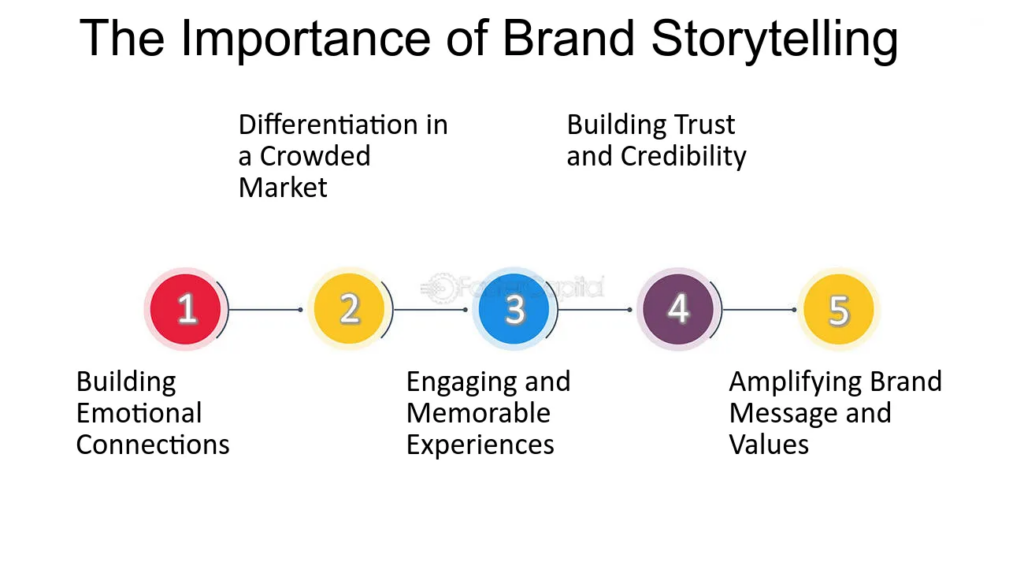
2. Brand Storytelling
Businesses use storytelling to connect with customers. Sharing the brand’s mission, values, and journey helps create a strong identity and emotional bond.
3. Journalism and News
Modern journalism relies on storytelling to present news in a compelling way. Human-interest stories and narrative journalism make information more relatable.
4. Film and Entertainment
Movies, TV shows, and web series are built on storytelling. Strong narratives keep audiences engaged and emotionally invested.
Key Elements of Effective Storytelling
1. Clear Structure
A good story has a beginning, middle, and end. This structure helps guide the audience through the narrative.
2. Relatable Characters
Characters play a crucial role in storytelling. Audiences connect with stories that reflect their own experiences or aspirations.
3. Conflict and Resolution
Conflict creates tension and interest, while resolution provides closure and satisfaction.
4. Authenticity
Authentic stories resonate more with audiences. Being genuine and transparent is key to effective storytelling.
The Role of Technology in Storytelling
1. Visual and Interactive Content
Technology has enabled the use of high-quality visuals, animations, and interactive elements in storytelling.
2. Data-Driven Stories
Data visualization tools help present complex information in a storytelling format, making it easier to understand.
3. Virtual Reality (VR)
VR offers immersive storytelling experiences, allowing audiences to become part of the story.
4. Artificial Intelligence (AI)
AI is being used to create personalized stories and automate content creation, enhancing efficiency and creativity.
Challenges in Modern Storytelling
1. Information Overload
With so much content available, it can be difficult for stories to stand out.
2. Short Attention Spans
Audiences today prefer quick and engaging content, making it challenging to deliver detailed narratives.
3. Maintaining Authenticity
In the pursuit of engagement, some storytellers compromise authenticity, which can lead to loss of trust.
The Future of Storytelling
1. Personalized Content
Future storytelling will focus on personalization, tailoring content to individual preferences and behaviors.
2. Immersive Experiences
Technologies like VR and AR will create more immersive storytelling experiences.
3. Cross-Platform Narratives
Stories will span multiple platforms, creating a cohesive and engaging experience across different media.
4. User-Generated Content
Audiences will play a bigger role in storytelling, contributing their own experiences and perspectives.
Conclusion
Storytelling remains a powerful tool in modern media and society. It connects people, conveys ideas, and influences perceptions. As technology continues to evolve, storytelling will become even more dynamic and impactful.
Whether you are a business, a content creator, or an individual, mastering the art of storytelling can help you stand out in a crowded digital world. In the end, stories are what make us human—they inspire, teach, and bring us together.