Politics in 2026 is more dynamic, complex, and interconnected than ever before. Governments are navigating economic challenges, technological disruption, climate change, and shifting global alliances. In an era of instant communication and digital influence, political decisions are scrutinized in real time by citizens around the world.
The modern political environment is no longer limited by national borders. International cooperation, economic partnerships, and geopolitical tensions shape domestic policies just as much as internal factors. Understanding today’s political climate requires examining both local governance and global trends.
The Digital Transformation of Politics
Technology has fundamentally reshaped political systems and communication strategies. Social media platforms, online campaigns, and digital voting systems have changed how leaders connect with voters.
Social Media Influence
Political leaders now communicate directly with citizens through digital platforms. While this improves transparency and engagement, it also increases the spread of misinformation and political polarization.
Data-Driven Campaigns
Modern campaigns use data analytics to understand voter behavior, tailor messaging, and mobilize supporters more effectively than ever before.
Cybersecurity and Election Integrity
With increased reliance on digital systems, protecting election infrastructure from cyber threats has become a national priority in many countries.
Global Political Shifts
The global political landscape is continuously evolving. Emerging economies are gaining influence, while traditional powers adapt to new realities.
Economic Competition
Countries compete for trade dominance, technological innovation, and investment opportunities. Economic policies now focus heavily on digital infrastructure and green energy transitions.
Climate Policy
Climate change remains a major political issue. Governments are implementing environmental regulations, renewable energy initiatives, and sustainability programs to address long-term risks.
International Alliances
Strategic alliances and diplomatic relationships shape security, trade agreements, and regional stability.
Domestic Policy Priorities
Within countries, political agendas often focus on economic growth, healthcare, education reform, and social equality.
Economic Stability
Inflation control, job creation, and support for small businesses remain key policy goals. Governments aim to balance economic growth with financial stability.
Healthcare Reform
Post-pandemic lessons have encouraged investment in public health systems and digital healthcare services.
Education and Workforce Development
As technology evolves, political leaders emphasize skill development, digital literacy, and innovation-driven education systems.
The Role of Youth in Politics
Younger generations are becoming increasingly active in political discussions. Through online platforms, youth voices influence debates on climate change, social justice, and economic reform.
Student movements and grassroots campaigns demonstrate that political engagement is no longer limited to traditional institutions. The digital era empowers individuals to organize and advocate for change quickly.
Challenges Facing Modern Governments
Political Polarization
Ideological divisions have intensified in many societies. Bridging political differences while maintaining democratic stability is a major challenge.
Economic Inequality
The wealth gap between populations remains a sensitive political issue, influencing debates on taxation, social welfare, and employment policies.
Information Overload
The rapid flow of information can create confusion, misinformation, and public distrust. Governments must promote transparency while combating false narratives.
The Impact of Technology on Governance
Artificial intelligence and digital systems are increasingly used in governance. From public service automation to smart city initiatives, technology improves efficiency but also raises ethical concerns.
- AI-based public administration systems
- Digital identity verification
- Online public service portals
- Smart infrastructure development
Balancing innovation with privacy protection remains a key policy consideration.
Democracy in the Modern Era
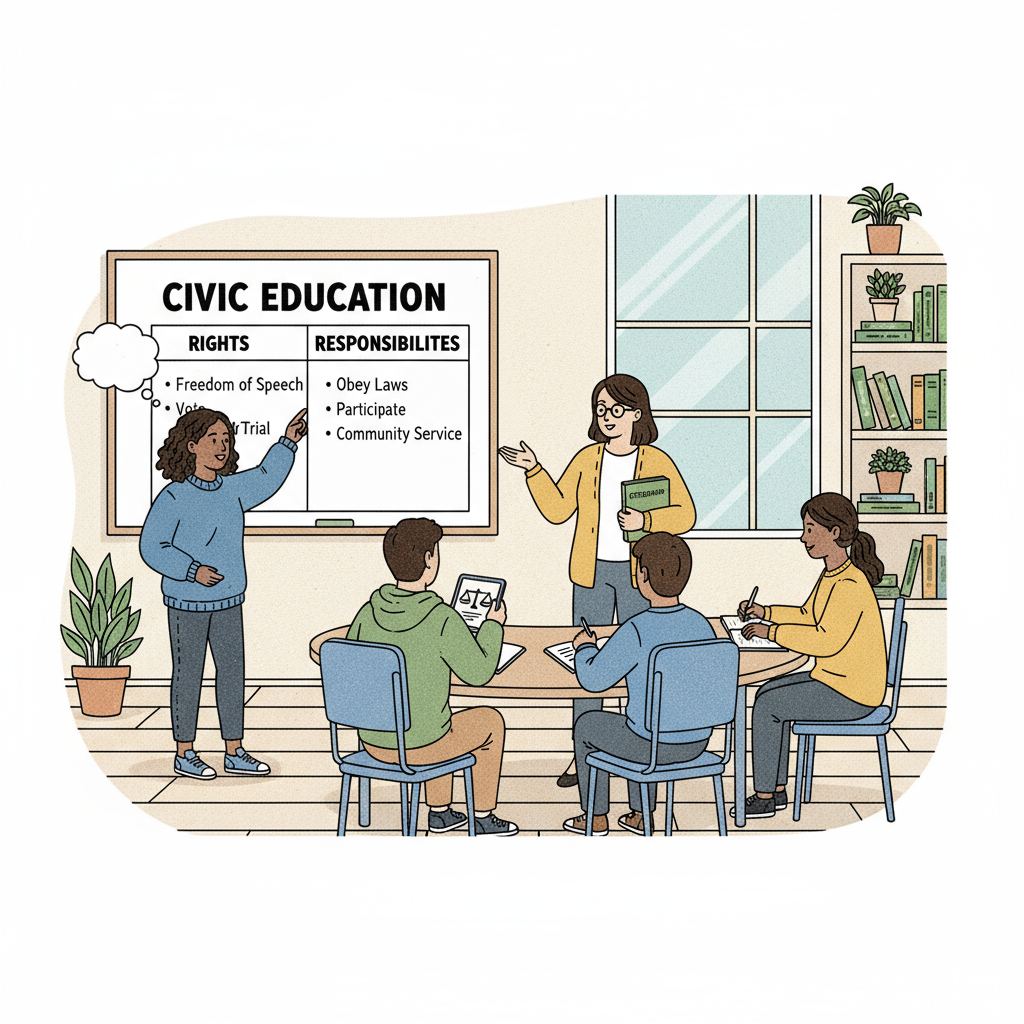
Democracy continues to evolve in response to societal changes. Civic engagement, voter education, and institutional reforms are essential for maintaining democratic values.
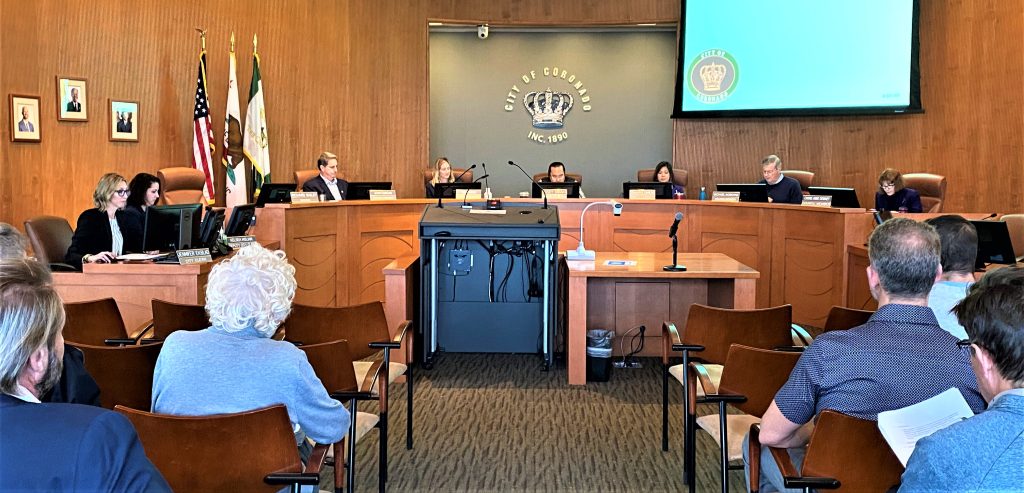
Many countries are experimenting with digital participation platforms, allowing citizens to provide feedback on policies and participate in consultations online.
The Future of Politics
Looking ahead, politics will continue to be shaped by technology, economic transformation, and global cooperation. Leaders must prioritize transparency, accountability, and inclusivity to maintain public trust.
Policy decisions in 2026 are increasingly interconnected with global challenges such as climate change, cybersecurity, and economic sustainability. Collaborative solutions will be essential for long-term stability.
Conclusion
Politics in 2026 reflects a world in transition. Rapid technological advancements, shifting economic power, and evolving social values are redefining governance worldwide.
For citizens, staying informed and actively participating in civic processes is more important than ever. As the global landscape continues to change, political systems must adapt to ensure stability, fairness, and progress for future generations.