Politics shapes the way societies function, the policies they implement, and the rights and responsibilities of citizens. Understanding politics is crucial for informed decision-making and active participation in democratic processes. Modern politics is more complex than ever, influenced by technology, social movements, global events, and evolving public opinion.
The Role of Politics in Society
Politics is the process by which groups make collective decisions. It governs laws, regulations, and resource allocation, impacting every aspect of daily life. Effective governance ensures stability, justice, and progress, while poor political leadership can lead to corruption, inequality, and unrest.
Key Elements of Political Systems
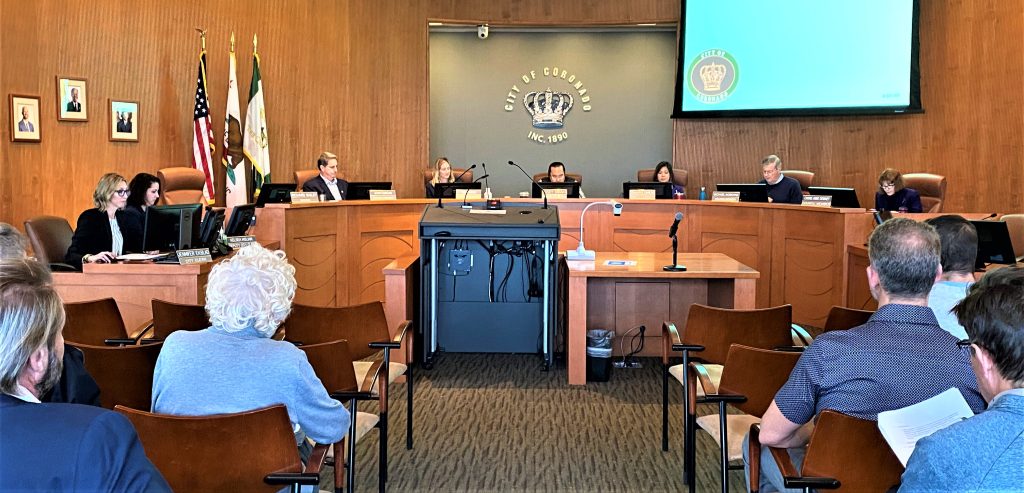
Political systems vary worldwide but generally include legislatures, executives, judicial bodies, and civil institutions. These structures maintain checks and balances, protect citizens’ rights, and implement policy decisions.
Democracy and Civic Engagement
Democracy relies on active citizen participation. Voting, advocacy, and community involvement allow individuals to influence decisions that affect their lives. Civic engagement strengthens accountability and ensures that governments serve the public interest.
Political Awareness and Education
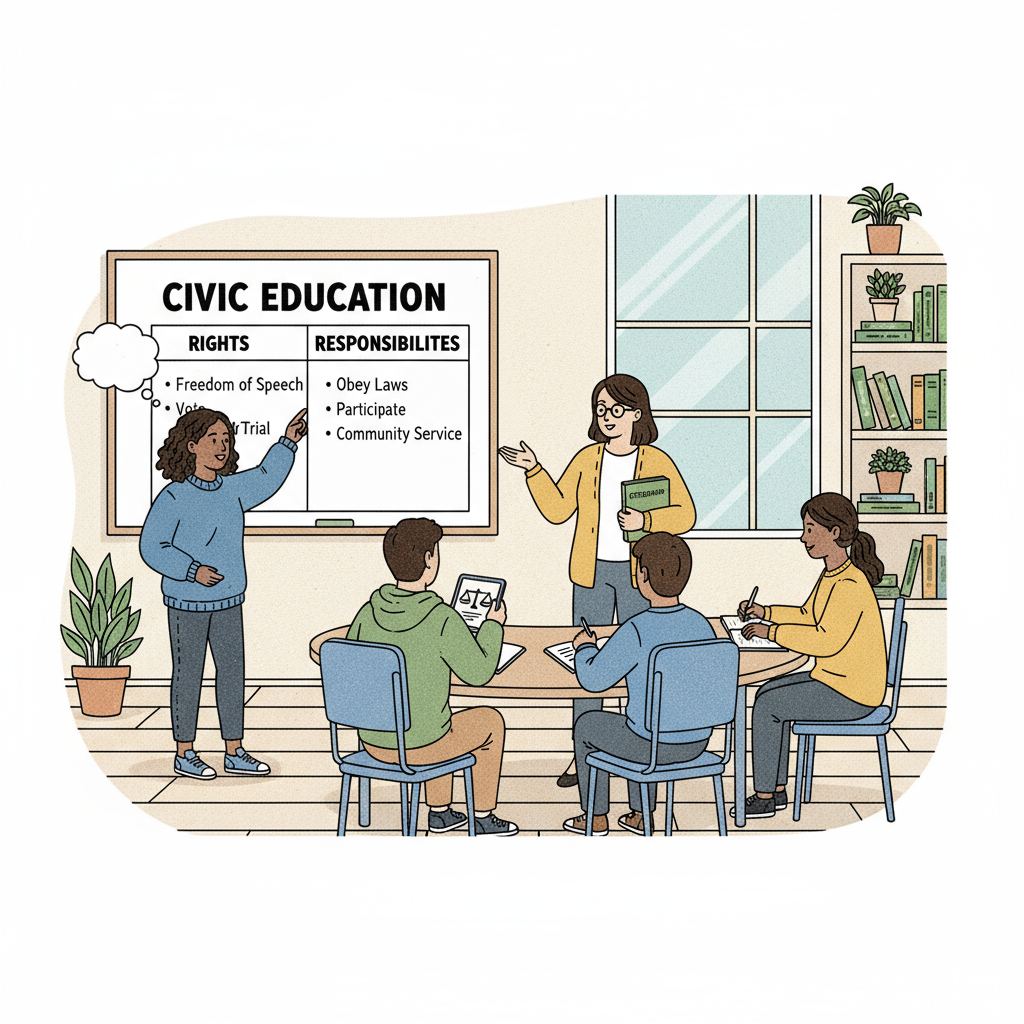
Educating citizens about political processes, rights, and responsibilities is essential for a healthy democracy. Awareness campaigns and media literacy help people make informed choices and combat misinformation.
The Impact of Technology on Politics
Technology has transformed political communication and activism. Social media platforms, digital campaigns, and online petitions enable faster information dissemination and greater public involvement.
Social Media and Public Opinion
While social media fosters engagement, it also poses challenges such as misinformation, polarization, and echo chambers. Responsible use of technology is vital to maintaining a healthy political discourse.
Global Politics and International Relations
Politics extends beyond national borders. International relations shape trade, security, diplomacy, and environmental policies. Understanding global dynamics is essential for navigating modern challenges such as climate change, conflicts, and economic interdependence.
Collaborative Diplomacy
Effective global politics requires cooperation between nations. Treaties, alliances, and multilateral organizations help maintain peace and address worldwide issues.
Challenges in Modern Politics
Modern politics faces numerous challenges, including corruption, voter apathy, inequality, and the influence of money in politics. Addressing these issues requires transparency, accountability, and citizen participation.
Promoting Ethical Governance
Ethical leadership and anti-corruption measures are essential for building trust in political institutions. Educated and active citizens play a crucial role in advocating for fair governance.
The Future of Politics
The future of politics will be shaped by innovation, citizen engagement, and global challenges. Emerging technologies like AI, data analytics, and blockchain may improve transparency, governance, and decision-making processes.
Citizen-Centric Policies
Political systems that prioritize citizen needs, inclusivity, and sustainability are more likely to thrive. Active participation and continuous adaptation to societal changes will define future governance models.
Conclusion: Politics as a Tool for Positive Change
Politics is more than governance; it is a tool for shaping society and improving lives. Understanding political processes, staying informed, and participating actively empower individuals to drive positive change. A vibrant, engaged citizenry ensures that democracy remains strong and responsive to the needs of all.