Politics plays a central role in shaping societies, governments, and the daily lives of citizens. It influences laws, economic policies, education systems, healthcare, and international relations. In the modern world, politics is no longer limited to parliaments and elections; it is deeply connected with media, technology, and public opinion.
Understanding politics helps citizens make informed decisions, hold leaders accountable, and actively participate in democratic processes. This article explores the meaning of politics, its importance, major political systems, and the role of citizens in shaping political outcomes.
What Is Politics?
Politics is the process through which individuals or groups make decisions that apply to members of a society. It involves power, authority, governance, and the distribution of resources. Politics determines how a country is run and how conflicts are resolved through dialogue and law.
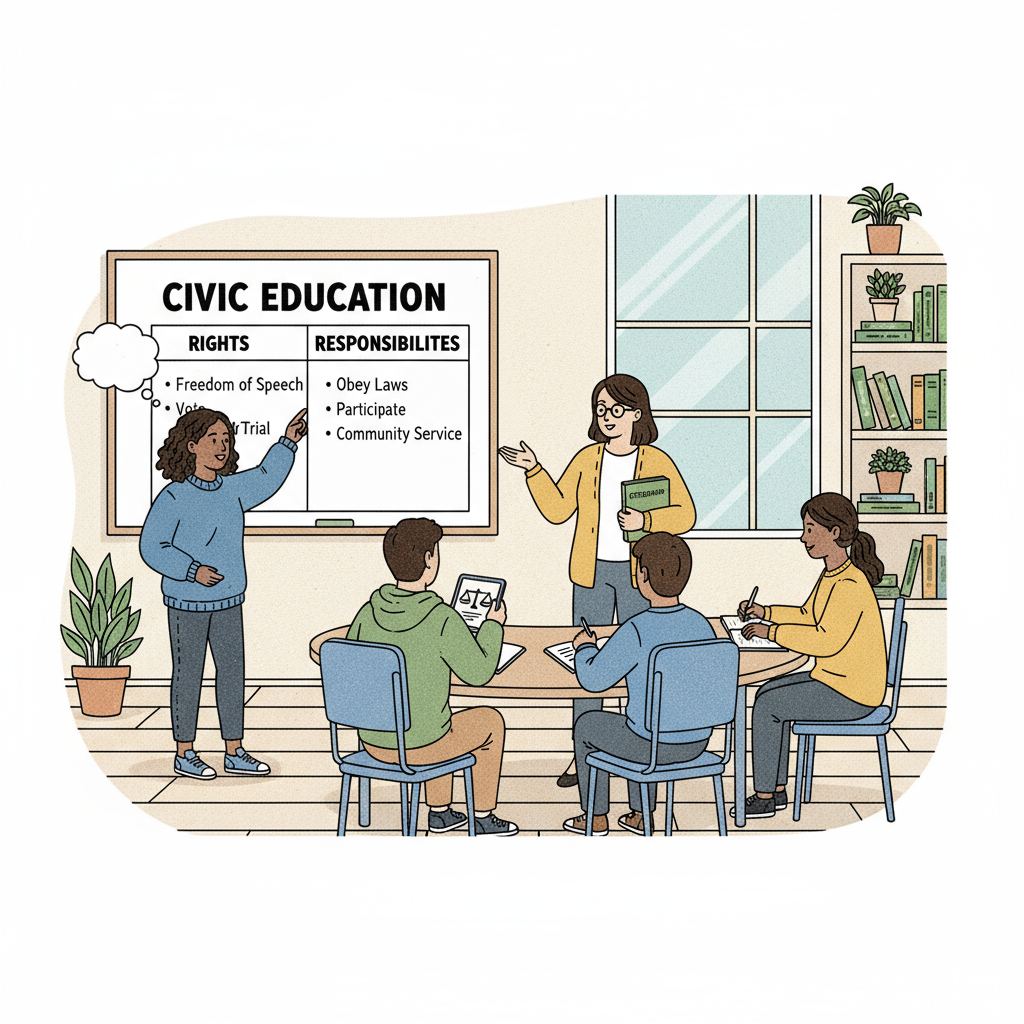
From local governments to international organizations, politics affects every level of society. It defines rights, responsibilities, and the relationship between the state and its citizens.
The Importance of Politics in Society
Politics is essential for maintaining order and stability. Governments create laws to protect citizens, promote justice, and ensure economic development. Political decisions impact education, healthcare, security, and infrastructure.
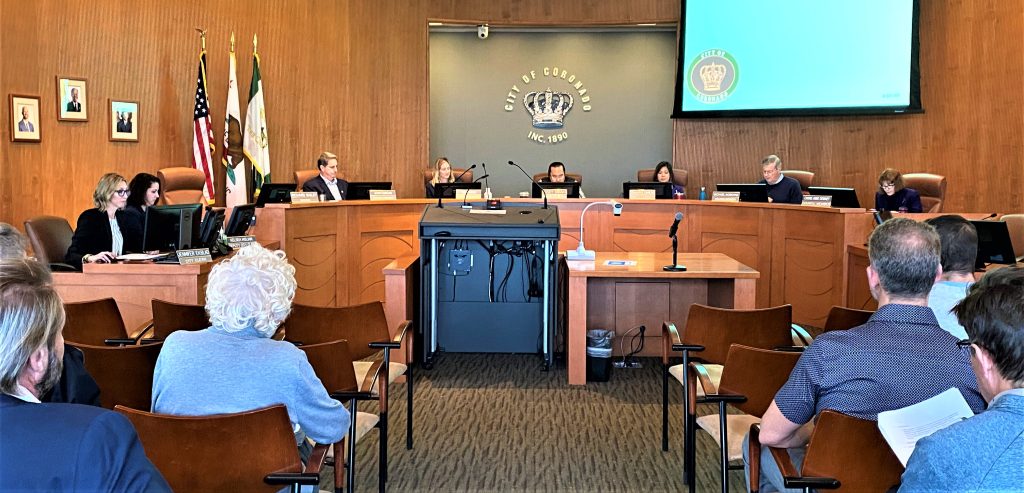
Effective political systems encourage transparency, accountability, and public trust. When politics functions well, it promotes social harmony and national progress.
Politics and Economic Development
Economic growth is closely linked to political stability. Governments design fiscal policies, taxation systems, and trade agreements that influence business environments and employment. Strong political leadership can attract investment and promote sustainable development.
Major Political Systems
Different countries follow different political systems based on history, culture, and ideology. Each system has its own structure and way of exercising power.
Democracy
Democracy is a system in which citizens have the right to choose their leaders through elections. It promotes freedom of speech, equality, and participation. Democratic governments are accountable to the people and operate under the rule of law.
Authoritarianism
In authoritarian systems, power is concentrated in the hands of a single leader or a small group. Public participation is limited, and political opposition is often restricted. While such systems may offer stability, they usually lack transparency and accountability.
Monarchy
Monarchies are governed by kings or queens, either with absolute power or within constitutional limits. In modern times, many monarchies function alongside democratic institutions.
The Role of Media in Politics
Media plays a powerful role in shaping political opinions. News outlets, social media platforms, and digital campaigns influence how people perceive political leaders and policies.
While media increases awareness and engagement, it also raises concerns about misinformation and biased reporting. Responsible journalism is crucial for a healthy political environment.
Citizen Participation in Politics
Active citizen participation strengthens democracy. Voting, peaceful protests, public debates, and civic engagement allow people to express their views and influence decision-making.
Educated and informed citizens are better equipped to challenge injustice and support good governance. Political awareness encourages responsibility and national unity.
Challenges in Modern Politics
Modern politics faces challenges such as corruption, political polarization, misinformation, and declining public trust. Globalization and technological advancements have also introduced new complexities in governance.
Addressing these challenges requires strong institutions, ethical leadership, and active public involvement.
Conclusion
Politics shapes the present and future of nations. It influences social justice, economic growth, and international peace. Understanding politics empowers citizens to participate responsibly and contribute to national development.
A strong political system is built on transparency, accountability, and public trust. By staying informed and engaged, citizens can help create a fairer and more prosperous society.