Politics plays a central role in shaping societies, governments, and the daily lives of people. It influences how countries are governed, how laws are made, and how resources are distributed. In the modern world, politics is no longer limited to government offices or parliaments; it has become a part of everyday discussions through media, social platforms, and public debate.
What Is Politics?
Politics refers to the activities, actions, and policies used to govern a country or community. It involves decision-making processes that affect public life, including laws, economic policies, education systems, and international relations.
At its core, politics is about power and authority—who has it, how it is used, and how it impacts society. Different political systems use power in different ways, depending on their structure and values.
Types of Political Systems
Political systems vary across the world, each with its own principles and methods of governance.
Democracy
Democracy is a system in which power lies with the people. Citizens elect their representatives through free and fair elections. Democratic systems promote freedom of speech, equality, and the rule of law.
In a democracy, public opinion plays a crucial role in shaping policies and leadership.
Authoritarian and Other Systems
In authoritarian systems, power is concentrated in the hands of a single leader or a small group. Citizens have limited political freedom, and decisions are made without broad public participation.
Other systems include monarchies and hybrid systems that combine elements of different political structures.
Role of Government in Politics
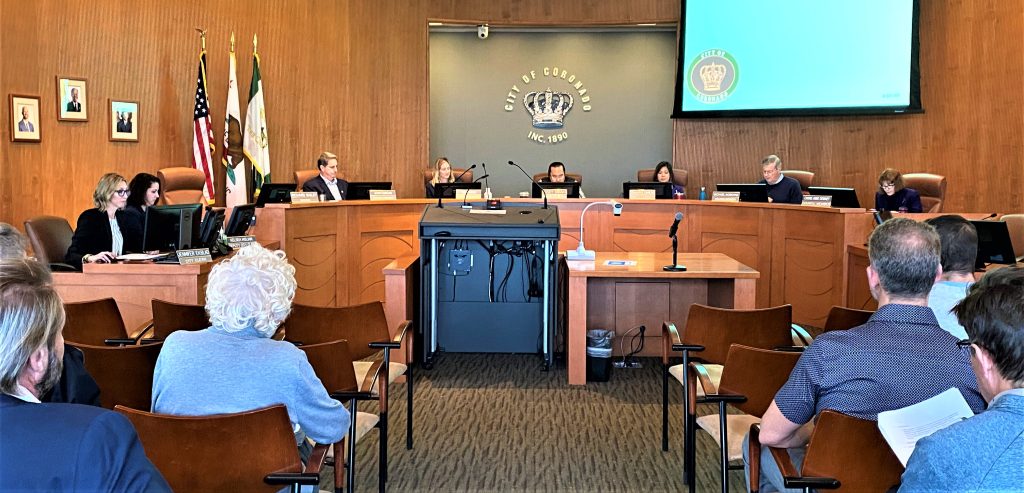
Governments are responsible for maintaining law and order, protecting citizens’ rights, and providing public services. Political leaders create policies that influence economic growth, healthcare, education, and national security.
Effective governance requires transparency, accountability, and responsiveness to public needs. Poor governance can lead to corruption, inequality, and social unrest.
Politics and the Economy
Political decisions directly affect a country’s economy. Tax policies, trade agreements, and government spending influence employment, inflation, and overall economic stability.
Stable political environments attract investment and promote growth, while political instability can discourage business and slow development.
Media and Politics
Media plays a powerful role in modern politics. News outlets, television, and social media platforms shape public opinion and influence political behavior. Media helps inform citizens about policies, elections, and government actions.
However, misinformation and biased reporting can also mislead the public. Responsible journalism and media literacy are essential for a healthy political system.
The Role of Citizens in Politics
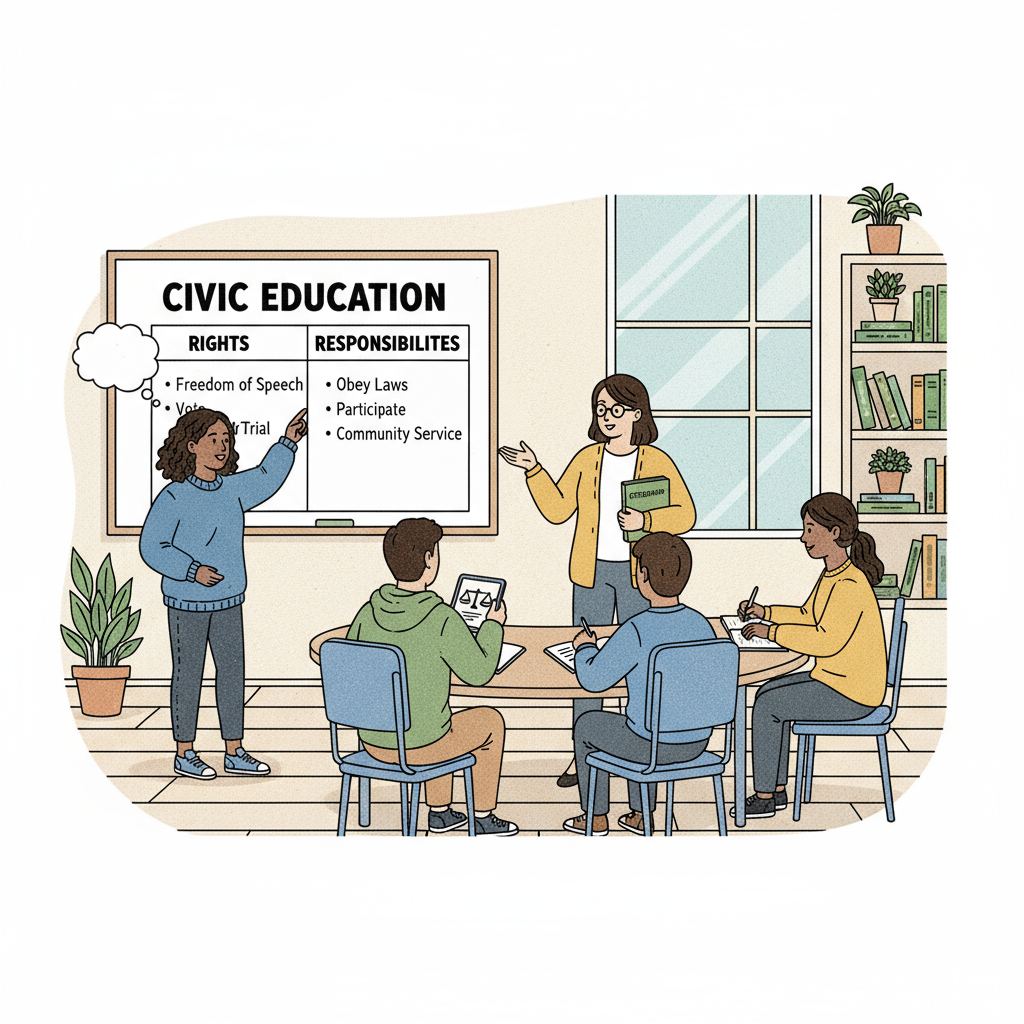
Citizens are the backbone of any political system. Voting, public participation, and civic engagement allow people to influence political decisions. Active citizens hold leaders accountable and promote transparency.
Peaceful protests, discussions, and community involvement are important ways for citizens to express their views and demand change.
Politics in the Digital Age
The digital age has transformed politics. Social media platforms allow politicians to communicate directly with the public, while citizens can share opinions instantly. Online campaigns, digital activism, and virtual debates have become common.
While digital platforms increase participation, they also raise concerns about privacy, data misuse, and online manipulation.
Challenges in Modern Politics
Modern politics faces many challenges, including corruption, polarization, lack of trust in institutions, and global conflicts. Differences in ideology can divide societies and create tension.
Solving these issues requires dialogue, compromise, and strong democratic institutions that protect justice and equality.
The Future of Politics
The future of politics will be shaped by globalization, technology, and social change. Issues such as climate change, digital rights, and global security will dominate political agendas.
Young generations are becoming more politically aware and active, demanding transparency, sustainability, and inclusion from their leaders.
Conclusion
Politics is a powerful force that shapes nations and influences everyday life. Understanding political systems, participating responsibly, and staying informed are essential for building strong and fair societies.
In the modern world, politics must evolve to meet new challenges while upholding democratic values, human rights, and social justice. Active citizenship and responsible leadership are the keys to a better political future.