Politics is constantly evolving, influenced by global events, social movements, and technological advancements. In 2026, political landscapes are shaped by digital engagement, policy reforms, and international relations. Citizens are more informed, connected, and active in shaping governance than ever before.
This article explores key political trends, challenges, and opportunities shaping the future of governance globally.
Understanding Modern Politics
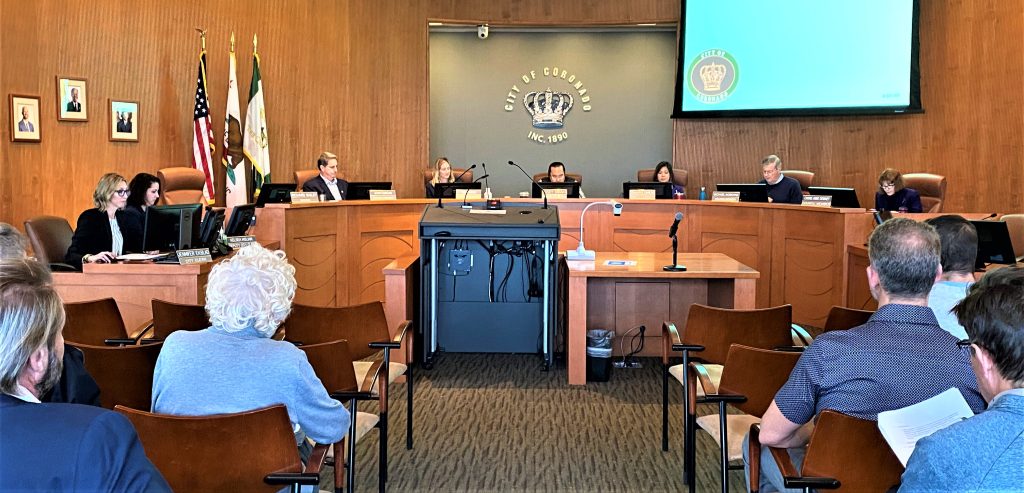
Modern politics is characterized by transparency, digital communication, and participatory governance. Political leaders must engage with citizens through social media, virtual platforms, and interactive policy discussions.
In addition, global issues such as climate change, cybersecurity, and economic instability play a significant role in shaping political decisions.
Key Political Trends in 2026
1. Digital Democracy
Technology is transforming how citizens participate in governance. Online voting systems, digital town halls, and e-petitions allow broader citizen engagement and transparency.
Digital democracy increases accountability and fosters direct communication between leaders and the public.
2. Globalization and International Relations
Global cooperation and diplomacy are crucial in addressing challenges such as trade, climate change, and security. In 2026, international alliances are being reshaped to address emerging geopolitical tensions.
3. Youth Engagement
Younger generations are becoming more politically active, leveraging social media and digital platforms to advocate for change. Issues like climate policy, social justice, and digital rights are top priorities.
Challenges in Modern Politics
Political Polarization
Deep ideological divisions and misinformation contribute to polarization, making governance and consensus-building more difficult.
Cybersecurity and Data Privacy
Election security and data protection are major concerns. Political campaigns and governments must implement robust cybersecurity measures to protect sensitive information.
Global Conflicts and Tensions
International conflicts, trade disputes, and territorial disagreements pose challenges to global stability and cooperation.
Opportunities for Political Growth and Reform
Policy Innovation
Technological tools allow policymakers to analyze data and develop effective solutions. Evidence-based policies improve governance and public trust.
Civic Engagement Programs
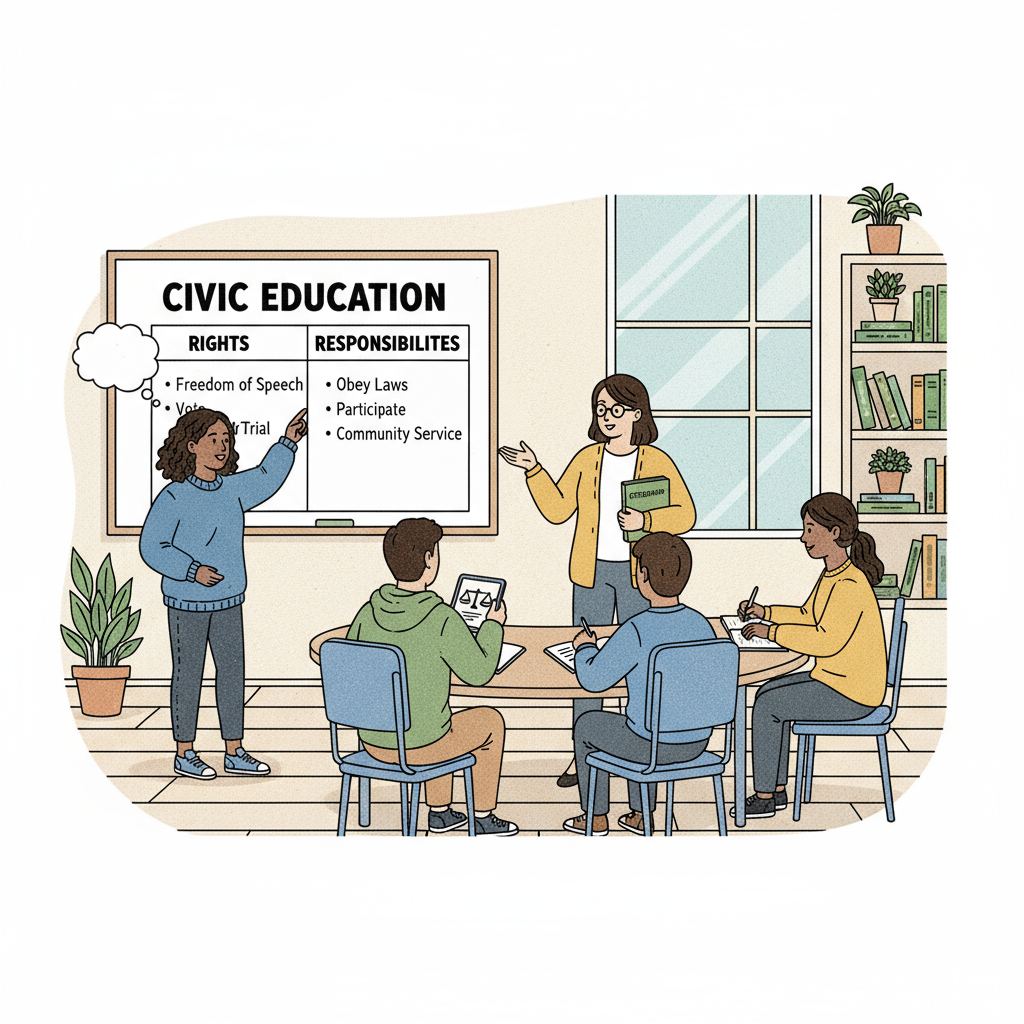
Governments are investing in educational initiatives, community outreach, and digital platforms to encourage citizen participation in decision-making.
Global Collaboration
Collaborative efforts on climate change, public health, and security can strengthen international relations and foster long-term peace.
Role of Media and Technology in Politics
Media and technology have transformed political communication. Social media campaigns, online debates, and real-time news dissemination play a crucial role in shaping public opinion.
Politicians and governments must adapt to the digital age while combating misinformation and promoting transparency.
Future Outlook of Politics
The future of politics in 2026 is defined by technology, global cooperation, and active citizen participation. Leaders who embrace transparency, inclusivity, and innovation will be better equipped to address complex challenges.
Political systems will continue evolving, focusing on sustainable development, human rights, and digital engagement.
Conclusion
Politics in 2026 is dynamic and interconnected. By leveraging technology, engaging citizens, and fostering international cooperation, governments can navigate challenges and create a more stable and inclusive world.
The next decade will require visionary leadership, active civic participation, and adaptive governance to meet the demands of an increasingly complex global society.