Politics plays a central role in shaping societies, economies, and the future of nations. In 2026, politics is no longer limited to parliaments, elections, and speeches. Technology, social media, global challenges, and public awareness have transformed how political systems function and how citizens engage with governance.
This article explores the changing nature of politics, the impact of technology on political processes, and the key challenges facing governments around the world.
The Changing Nature of Politics
Traditional politics focused mainly on leadership, laws, and national interests. Today, politics is deeply connected with social issues, economic stability, climate change, and global cooperation. Citizens are more informed and vocal, demanding transparency and accountability from their leaders.
Political decisions now affect not only national borders but also global communities. Issues such as trade, security, and environmental protection require international collaboration.
The Role of Technology in Modern Politics
Technology has become a powerful force in politics. Digital platforms, online campaigns, and data analytics influence elections and public opinion. Politicians use social media to communicate directly with citizens, bypassing traditional media channels.
While technology increases accessibility and engagement, it also raises concerns about misinformation, data privacy, and cyber interference. Managing these risks is one of the biggest challenges in modern politics.
Social Media and Political Influence
Social media platforms have changed how political messages are shared and consumed. A single post can reach millions of people within minutes. This has increased political awareness but also contributed to polarization and misinformation.
Responsible use of social media and digital literacy among citizens are essential to maintaining healthy political discourse.
Democracy and Public Participation
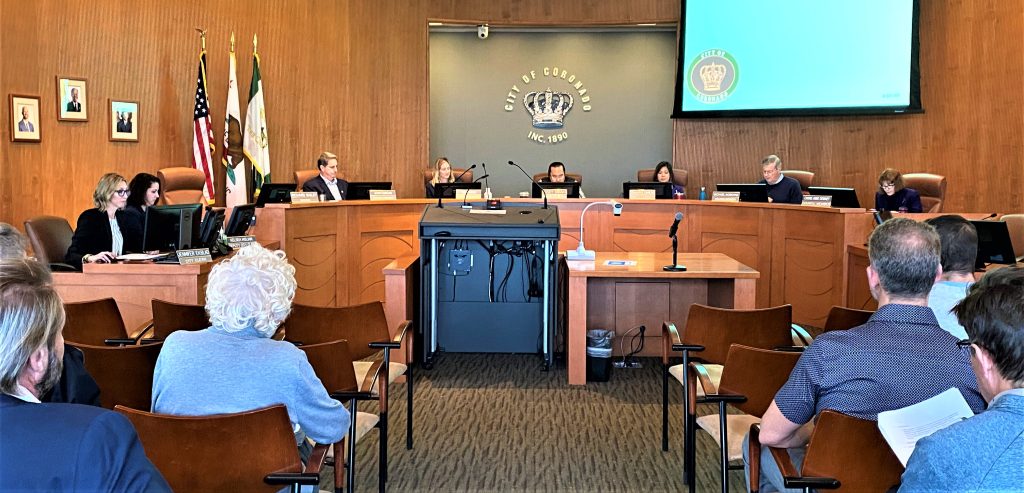
Democracy thrives on public participation. In 2026, citizens are engaging in politics through online forums, digital petitions, and virtual town halls. These tools give people a stronger voice in decision-making processes.
However, voter apathy and distrust in political institutions remain challenges. Governments must work to rebuild trust by promoting transparency and inclusive policies.
Global Political Challenges
The world faces complex political challenges, including economic inequality, climate change, migration, and geopolitical tensions. Governments must balance national interests with global responsibilities.
International organizations and diplomatic efforts play a critical role in resolving conflicts and promoting peace. Cooperation is essential in an interconnected world.
Youth and the Future of Politics
Young people are becoming increasingly active in politics. They are advocating for social justice, environmental protection, and economic opportunities. Youth-led movements and digital activism are influencing political agendas worldwide.
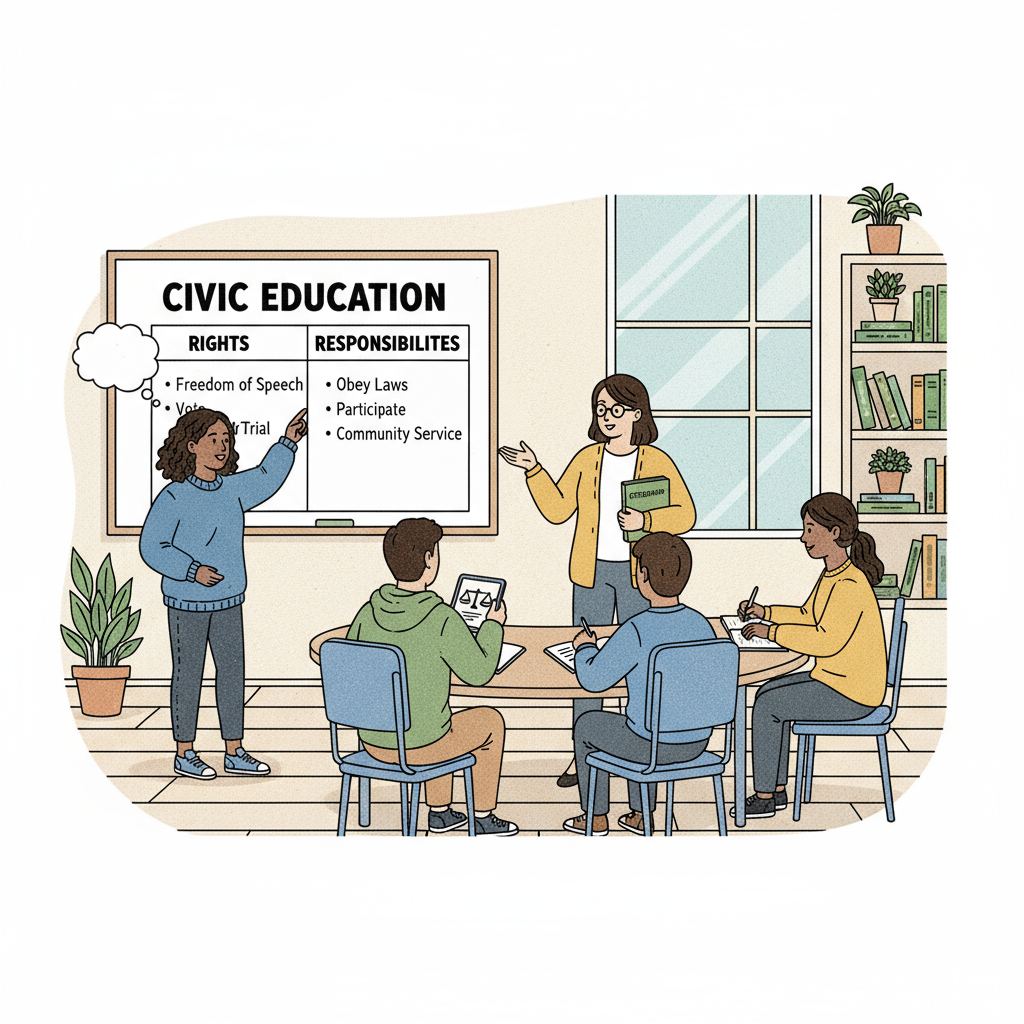
Engaging young citizens is crucial for the future of democracy. Education and awareness can empower the next generation of leaders and voters.
Political Leadership and Accountability
Strong leadership is essential for effective governance. Modern leaders are expected to be transparent, ethical, and responsive to public needs. Accountability mechanisms such as independent media and judicial systems help ensure responsible governance.
Trust between citizens and leaders is built through honesty, consistency, and effective policy implementation.
The Future of Politics
The future of politics will be shaped by innovation, inclusion, and global cooperation. Digital voting systems, data-driven policymaking, and increased citizen engagement are likely to become more common.
At the same time, protecting democratic values, human rights, and freedom of expression will remain critical priorities for governments worldwide.
Conclusion
Politics in 2026 is complex, dynamic, and deeply connected to everyday life. Technology and public awareness have transformed how political systems operate and how citizens participate.
By promoting transparency, responsible leadership, and active civic engagement, politics can serve as a force for positive change and sustainable development in the modern world.