Politics plays a central role in shaping societies, economies, and the daily lives of people. From local governments to global institutions, political decisions influence education, healthcare, business, security, and social justice. In the modern world, politics has become more complex, interconnected, and visible than ever before.
With the rise of digital media and global communication, citizens are more aware of political developments and policies. Understanding politics is essential for informed participation and responsible citizenship in today’s democratic societies.
What Is Politics?
Politics refers to the process through which groups of people make collective decisions. It involves governance, power distribution, public policy, and leadership. Political systems determine how authority is exercised and how resources are allocated within a society.
Different countries follow different political systems, such as democracy, monarchy, or authoritarian governance. Each system has its own structure, values, and methods of decision-making.
The Role of Government in Society
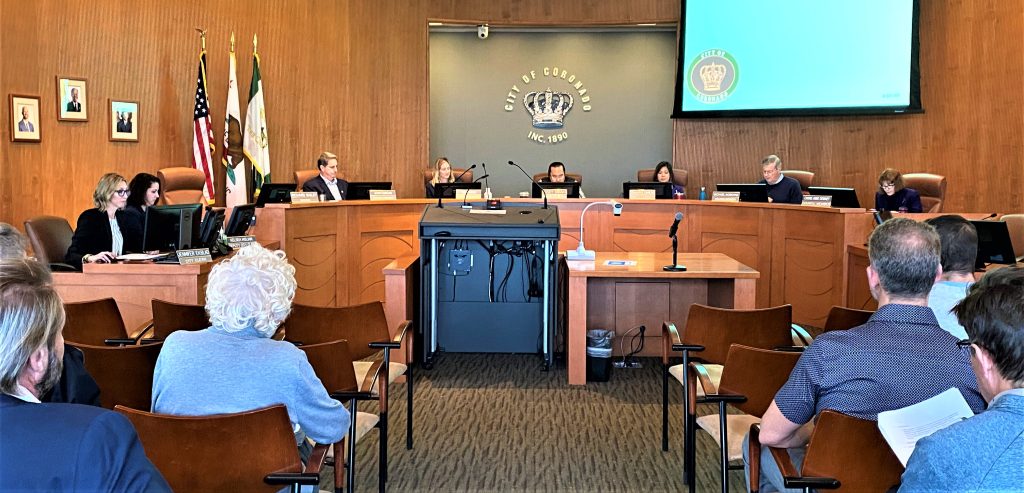
Governments are responsible for maintaining law and order, protecting citizens’ rights, and providing essential services. Effective governance promotes stability, development, and social harmony.
Democracy and Citizen Participation
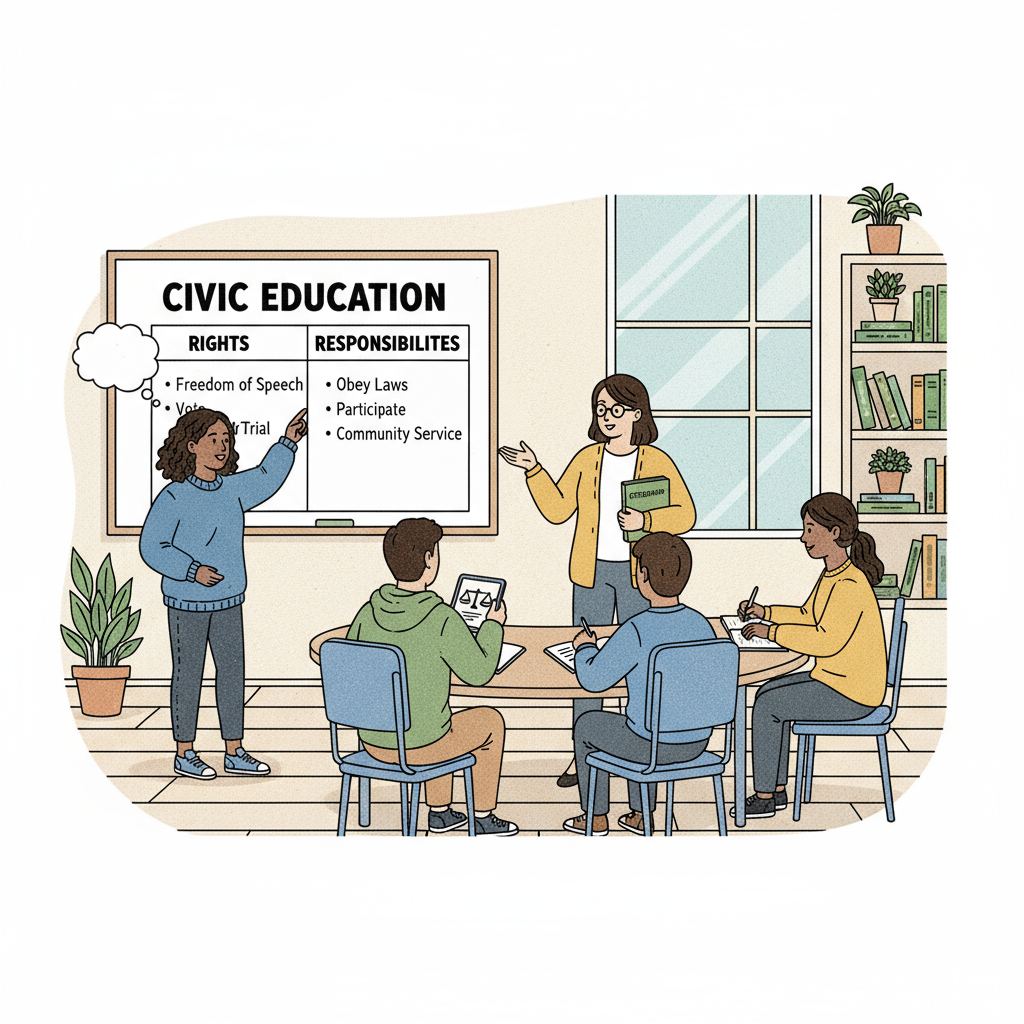
Democracy is one of the most widely practiced political systems in the modern world. It allows citizens to participate in decision-making through elections, public debates, and civic engagement.
Active citizen participation strengthens democratic institutions. Voting, peaceful protests, and community involvement ensure that leaders remain accountable to the people they serve.
Importance of Free and Fair Elections
Elections are the foundation of democracy. They provide citizens with the opportunity to choose their representatives and influence government policies. Free and fair elections help build trust in political systems.
Politics and the Economy
Political decisions have a direct impact on economic growth and stability. Government policies related to taxation, trade, employment, and investment shape national economies and business environments.
Stable political systems attract foreign investment and encourage entrepreneurship. In contrast, political instability can lead to economic uncertainty and reduced development.
The Role of Media in Politics
Media plays a powerful role in shaping political opinions and public discourse. News outlets, social media platforms, and digital journalism influence how people perceive political events and leaders.
While media increases awareness and transparency, it also presents challenges such as misinformation and biased reporting. Responsible journalism is essential for a healthy political environment.
Social Media and Political Awareness
Social media has transformed political communication by enabling direct interaction between leaders and citizens. It allows rapid sharing of information but also requires critical thinking to distinguish facts from false narratives.
Global Politics and International Relations
In an interconnected world, global politics plays a crucial role in maintaining peace and cooperation among nations. International organizations work to address issues such as climate change, security, trade, and human rights.
Diplomatic relations and international agreements help countries resolve conflicts and promote mutual understanding. Global cooperation is essential for tackling worldwide challenges.
Challenges in Modern Politics
Modern politics faces several challenges, including political polarization, corruption, lack of transparency, and declining public trust. These issues can weaken democratic institutions and hinder social progress.
Addressing these challenges requires strong leadership, informed citizens, and effective legal frameworks that promote accountability and fairness.
The Future of Politics
The future of politics will be shaped by technology, globalization, and changing social values. Digital governance, e-voting, and data-driven policies may improve efficiency and citizen engagement.
As societies evolve, political systems must adapt to meet new demands while protecting democratic principles and human rights.
Conclusion
Politics influences every aspect of modern life, from individual freedoms to global stability. Understanding political processes empowers citizens to participate actively and responsibly in society.
A strong political system is built on transparency, accountability, and public participation. By staying informed and engaged, individuals can contribute to a more just and sustainable future.