The gadget industry in 2026 is moving faster than ever before. Smart devices are no longer luxury items; they are essential tools that shape how we communicate, work, travel, and maintain our health. From AI-powered smartphones to wearable health trackers and smart home automation systems, next-generation gadgets are redefining convenience and connectivity.
Technological innovation is driving the development of smaller, faster, and more intelligent devices. Consumers now expect seamless integration between gadgets, cloud systems, and artificial intelligence platforms. As a result, manufacturers are focusing on building ecosystems rather than standalone products.
AI-Powered Smartphones
Smartphones remain the center of the digital ecosystem. In 2026, flagship devices are equipped with advanced AI processors that optimize battery usage, enhance photography, and improve security features.
AI-driven cameras automatically adjust lighting, recognize scenes, and provide real-time editing suggestions. Voice assistants have become more conversational and context-aware, enabling smoother user experiences.
Key Smartphone Innovations
- On-device AI processing
- Satellite connectivity for remote areas
- Enhanced biometric security
- Ultra-fast charging technology
- Foldable and rollable displays
These advancements are transforming smartphones into portable productivity hubs.
Wearable Technology and Health Monitoring
Wearable gadgets have become essential health companions. Smartwatches and fitness bands now track heart rate variability, blood oxygen levels, stress patterns, sleep quality, and even early signs of illness.
Some advanced wearables provide ECG monitoring and real-time health alerts. These features allow users to take preventive action and share reports directly with healthcare professionals.
Why Wearables Are Popular
Preventive Health Monitoring: Early detection of irregularities.
Fitness Tracking: Accurate step counts, calorie burn, and workout analytics.
Convenience: Notifications and calls directly on the wrist.
Style Integration: Modern designs blend technology with fashion.
Wearables are becoming indispensable tools for maintaining an active and informed lifestyle.
Smart Home Automation
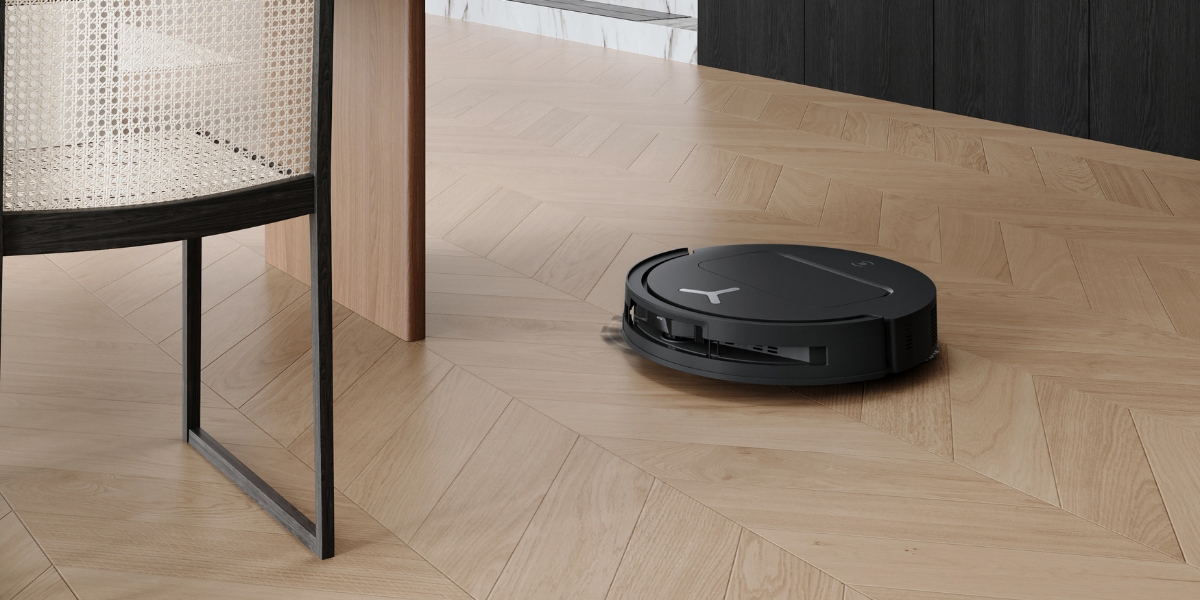
Smart homes in 2026 are more intelligent and energy-efficient than ever. Devices such as smart thermostats, AI-powered security cameras, and voice-controlled lighting systems allow homeowners to manage their environment effortlessly.
Smart home systems integrate with smartphones and central hubs, enabling remote control from anywhere in the world. AI learns user preferences and adjusts temperature, lighting, and security settings automatically.
Benefits of Smart Homes
- Energy efficiency and reduced electricity bills
- Enhanced home security
- Remote accessibility
- Improved convenience and comfort
As sustainability becomes a global priority, smart homes play a crucial role in reducing energy consumption.
Portable Productivity Gadgets
Remote work culture has increased demand for portable productivity tools. Lightweight laptops, noise-canceling headphones, smart pens, and foldable keyboards help professionals work from anywhere.
Tablet devices with detachable keyboards now compete with traditional laptops, offering powerful performance in compact designs.
Emerging Productivity Trends
- AI-assisted note-taking apps
- Cloud-synced document editing
- Advanced battery life optimization
- Multi-device synchronization
These tools enhance flexibility for students, entrepreneurs, and corporate employees alike.
Augmented Reality (AR) Glasses
AR glasses are becoming more mainstream in 2026. Unlike early prototypes, modern AR devices are lightweight, stylish, and highly functional.
Users can view navigation directions, receive notifications, and interact with digital overlays without pulling out their smartphones. AR is also transforming industries such as education, healthcare, and retail.
Gaming and Entertainment Devices
The gaming industry continues to innovate with high-performance consoles, VR headsets, and cloud gaming platforms. Portable gaming devices now offer console-level graphics and seamless online multiplayer experiences.
Streaming devices have also evolved, supporting 8K resolution and AI-powered content recommendations.
Cybersecurity in Smart Gadgets
As gadgets become more interconnected, cybersecurity has become a top priority. Manufacturers are integrating advanced encryption systems, biometric authentication, and AI-based threat detection.
Consumers are also becoming more aware of privacy concerns, choosing devices that prioritize data protection.
Sustainability and Eco-Friendly Gadgets
Environmental awareness is influencing gadget manufacturing. Companies are using recycled materials, reducing packaging waste, and designing energy-efficient devices.
Solar-powered chargers and biodegradable accessories are gaining popularity among environmentally conscious consumers.
The Future of Smart Gadgets
The future promises even more integration between AI, IoT (Internet of Things), and cloud computing. Devices will communicate seamlessly, anticipate user needs, and automate daily routines.
We can expect further developments in brain-computer interfaces, advanced robotics, and immersive digital experiences.
Conclusion
Next-generation smart gadgets in 2026 are transforming everyday life. They enhance productivity, improve health monitoring, increase home security, and provide immersive entertainment experiences.
As technology continues to evolve, gadgets will become smarter, more sustainable, and deeply integrated into our personal and professional lives. Staying updated with these innovations is essential for anyone looking to maximize efficiency and convenience in the digital age.
The gadget revolution is far from over—it is only just beginning.