Sports have always been an important part of human culture. From ancient Olympic games to modern international tournaments, sports unite people across countries, cultures, and backgrounds. Beyond entertainment, sports play a vital role in improving physical health, mental well-being, and social development.
In today’s fast-paced world, sports are more important than ever as they promote discipline, teamwork, and a healthy lifestyle.
Understanding Sports
Sports refer to physical activities that involve skill, competition, and rules. They can be played individually or in teams and range from recreational activities to professional competitions.
Common sports include football, cricket, basketball, athletics, tennis, and many more.
Types of Sports
Sports can be classified into team sports, individual sports, indoor sports, and outdoor sports.
Each type offers unique physical and mental benefits.
Physical Benefits of Sports
Improved Physical Fitness
Regular participation in sports improves strength, endurance, flexibility, and overall fitness.
It helps maintain a healthy body weight and reduces the risk of chronic diseases.
Stronger Immune System
Physical activity boosts the immune system and improves blood circulation.
This helps the body fight illnesses more effectively.
Better Heart Health
Sports such as running, swimming, and cycling strengthen the heart.
They reduce the risk of heart disease and high blood pressure.
Mental Health Benefits of Sports
Stress Reduction
Playing sports helps reduce stress and anxiety.
Physical activity releases endorphins, which improve mood and mental health.
Improved Focus and Discipline
Sports require concentration, strategy, and self-control.
These skills help individuals perform better in academics and professional life.
Boosted Confidence
Achieving goals and improving performance increases self-confidence.
Team sports also help individuals develop leadership skills.
Social Importance of Sports
Teamwork and Cooperation
Team sports teach cooperation, communication, and trust.
Players learn how to work together to achieve common goals.
Promoting Unity and Peace
Sports bring people together regardless of nationality or culture.
International tournaments promote peace and mutual understanding.
Youth Development
Sports play a crucial role in youth development.
They keep young people active, disciplined, and away from negative habits.
Sports as a Career
Professional Athletes
Sports offer career opportunities as professional athletes.
With dedication and training, athletes can achieve international recognition.
Related Professions
Sports also create jobs in coaching, sports medicine, management, and media.
The sports industry contributes significantly to the global economy.
Challenges in Modern Sports
Injuries
Sports injuries are a common challenge for athletes.
Proper training, safety measures, and medical support are essential.
Doping and Fair Play
The use of performance-enhancing drugs threatens fair competition.
Strict regulations are needed to maintain sports integrity.
Commercial Pressure
Modern sports face pressure from commercialization.
Balancing profit with sportsmanship is important.
Future of Sports
Technology in Sports
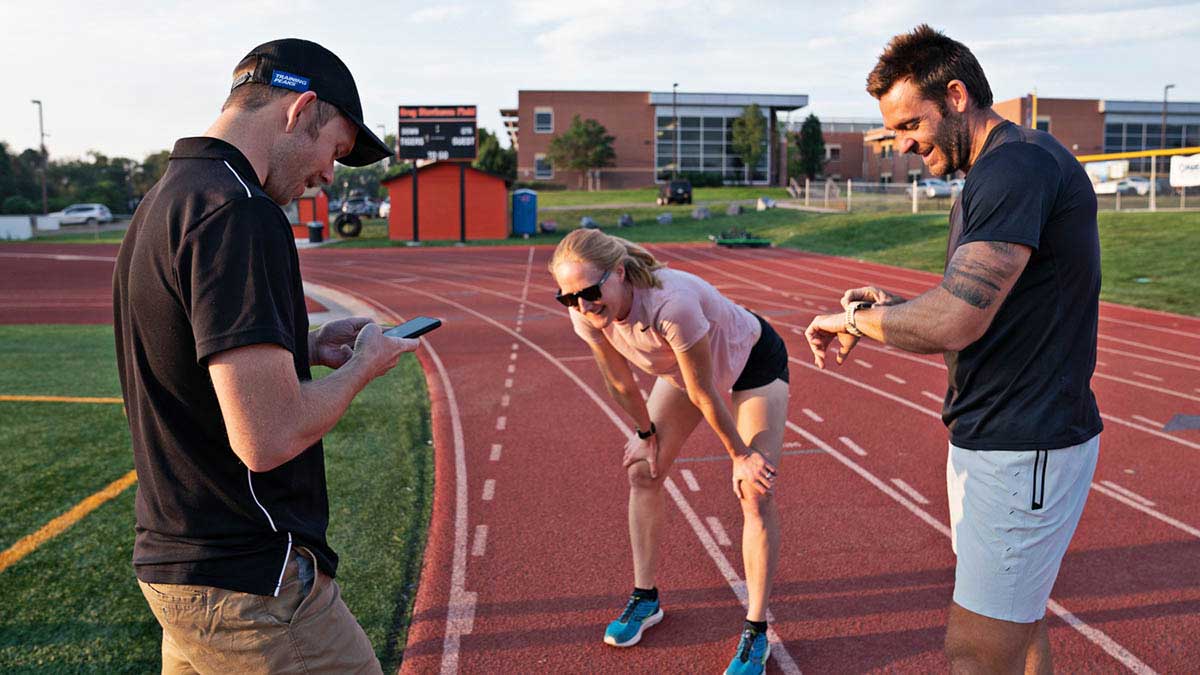
Technology is transforming sports through performance tracking and video analysis.
It improves fairness, training methods, and fan experience.
Inclusive Sports
Sports are becoming more inclusive for women and people with disabilities.
This promotes equality and social progress.
Conclusion
Sports are more than just games—they are a powerful tool for physical health, mental strength, and social unity.
By encouraging participation in sports, societies can build healthier and more disciplined communities.
The positive impact of sports will continue to shape individuals and nations for generations to come.