Politics has always played a central role in shaping societies, governments, and global relations. In the modern digital era, politics has undergone significant transformation due to technology, social media, and increased public awareness. Political decisions today directly influence economic growth, social justice, education systems, and international stability.
Modern politics is no longer limited to parliament buildings or election campaigns. It now exists on digital platforms, social networks, and global media, where citizens actively participate, express opinions, and demand accountability. This article explores the evolution of modern politics, its challenges, and its impact on societies worldwide.
Understanding Politics in the Modern World
Politics refers to the activities associated with governance, decision-making, and the distribution of power within a society. It involves governments, political parties, institutions, and citizens working together—sometimes in conflict—to shape laws and policies.
In today’s interconnected world, political decisions in one country can affect global markets, international relations, and even environmental conditions across borders.
Role of Democracy and Public Participation
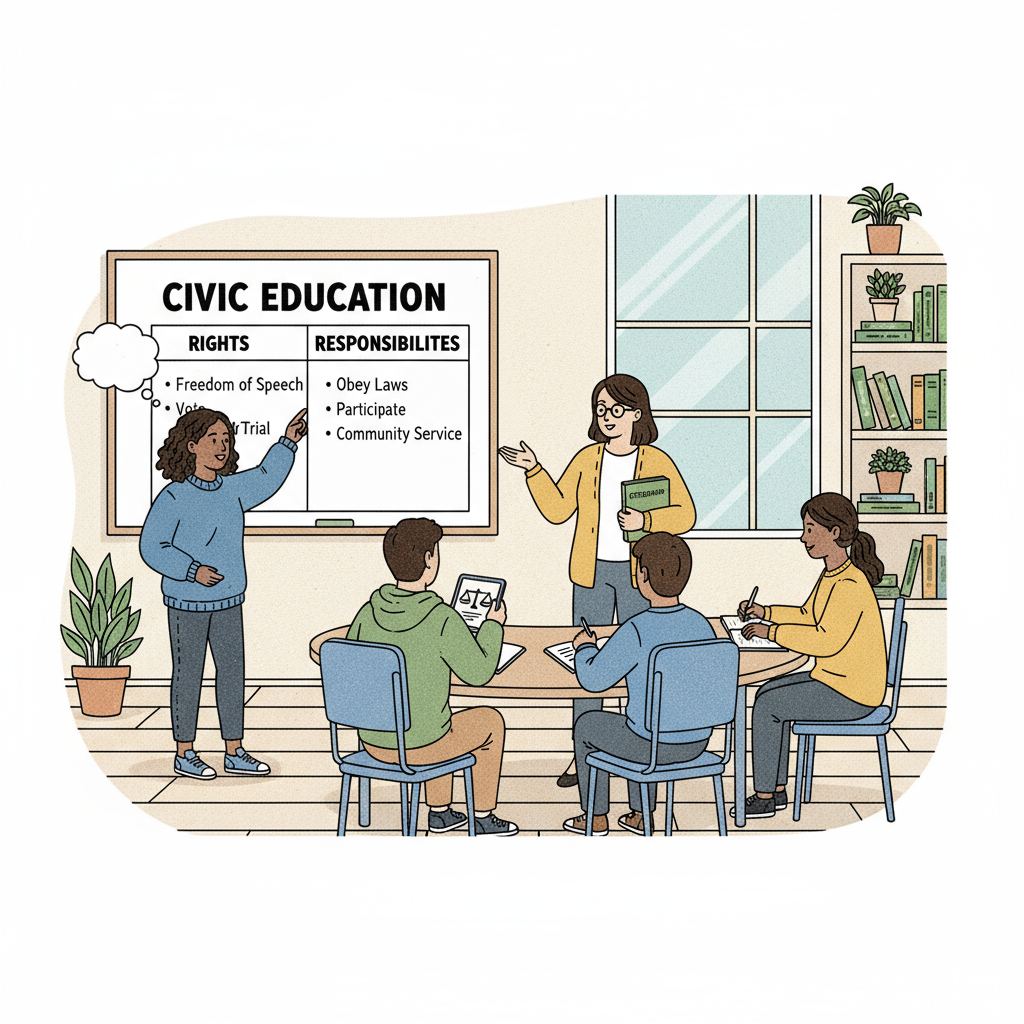
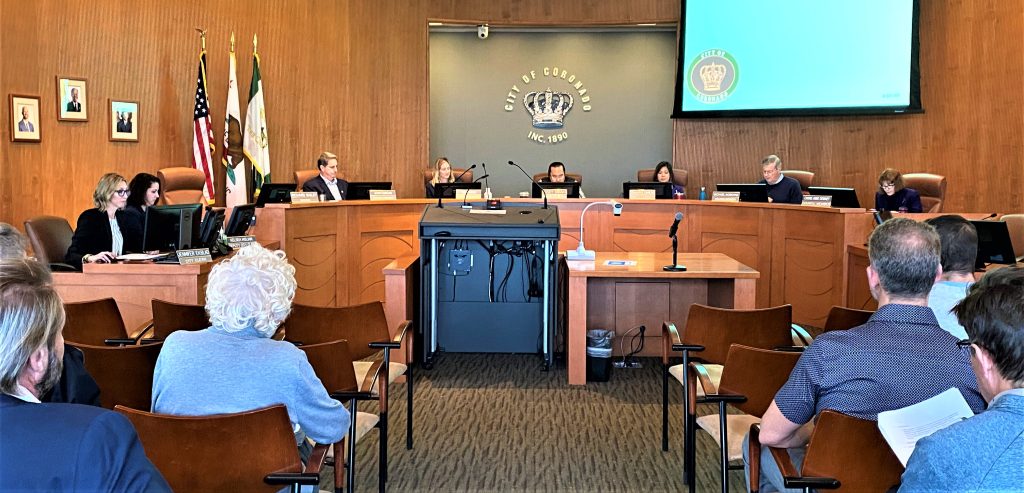
Democracy empowers citizens to participate in political processes through voting, public debate, and civic engagement. Modern technology has expanded this participation by giving people access to information and platforms to voice their opinions.
An informed and active public is essential for transparent and accountable governance.
Impact of Technology on Politics
Technology has revolutionized political communication. Social media platforms allow politicians to connect directly with citizens, share policies, and respond to public concerns in real time.
Digital campaigns, online fundraising, and data-driven strategies have changed how elections are conducted and how political messages are delivered.
Social Media and Political Awareness
Social media plays a powerful role in shaping political opinions. It spreads information quickly and mobilizes people for protests, movements, and elections.
However, misinformation and fake news also present serious challenges, making media literacy more important than ever.
Major Political Challenges Today
Modern politics faces numerous challenges, including political polarization, corruption, economic inequality, and declining public trust in institutions.
Global issues such as climate change, migration, and security threats require international cooperation, yet political differences often make collaboration difficult.
Political Polarization
Political polarization has increased in many countries, dividing societies into opposing groups with conflicting ideologies. This division can weaken democratic institutions and slow down decision-making.
Bridging political divides requires dialogue, tolerance, and a focus on shared goals.
Politics and Economic Development
Political stability is closely linked to economic growth. Governments create policies that influence investment, employment, taxation, and trade.
Strong political institutions encourage economic confidence, while instability can lead to inflation, unemployment, and reduced foreign investment.
Policy Making and Governance
Effective governance depends on well-designed policies that address public needs. Education, healthcare, infrastructure, and social welfare policies directly impact quality of life.
Good governance promotes fairness, accountability, and sustainable development.
Role of Youth in Modern Politics
Young people are becoming increasingly active in politics. Through social media, student movements, and grassroots campaigns, youth voices are shaping political agendas.
Their involvement brings fresh perspectives and highlights issues such as climate action, digital rights, and social equality.
Youth Leadership and Political Change
Youth-led movements have influenced policy changes and raised global awareness about critical issues. Encouraging youth participation strengthens democracy and ensures future leadership.
Education and political awareness programs can further empower young citizens.
The Future of Politics
The future of politics will be shaped by technology, transparency, and global cooperation. Digital voting systems, e-governance, and open data initiatives may improve efficiency and trust.
However, ethical leadership and responsible use of technology will be essential to protect democratic values.
Conclusion
Politics in the modern era is complex, dynamic, and deeply connected to everyday life. It influences economic stability, social harmony, and global peace.
By promoting transparency, civic engagement, and responsible leadership, societies can build political systems that serve the people and adapt to future challenges.