Politics has always shaped societies, governments, and global relations. However, in the digital age, politics has entered a new phase where information spreads instantly, public opinion forms rapidly, and technology plays a major role in political decision-making.
From social media campaigns to online activism, modern politics is deeply influenced by digital platforms and mass communication.
The Evolution of Political Systems
Political systems have evolved over centuries, adapting to social, economic, and technological changes. Traditional politics relied on physical gatherings, print media, and face-to-face communication.
Today, digital tools have transformed how political messages are created, shared, and consumed by the public.
The Role of Media in Politics
Media has always been a powerful force in politics. Newspapers, radio, and television once dominated political communication.
In the modern era, digital media and social networks have become the primary sources of political news and discussion.
Social Media and Political Influence
Social media platforms allow politicians to communicate directly with citizens without traditional media filters.
This direct connection helps leaders share their agendas, respond to public concerns, and mobilize supporters.
Public Opinion and Political Awareness
Public opinion plays a crucial role in democratic systems. Citizens’ views influence elections, policies, and governance.
Digital access to information has increased political awareness, enabling people to engage more actively in political discussions.
Political Campaigns in the Digital Era
Modern political campaigns rely heavily on digital strategies. Online advertisements, email campaigns, and social media outreach help candidates reach targeted audiences.
Data analytics allows political teams to understand voter behavior and tailor messages accordingly.
Online Fundraising and Engagement
Digital platforms have simplified political fundraising by allowing small donations from a large number of supporters.
This has made campaigns more inclusive and participatory.
Challenges Facing Modern Politics
Despite its benefits, digital politics faces challenges such as misinformation, fake news, and online polarization.
False information can spread quickly, influencing public opinion and undermining trust in democratic institutions.
The Importance of Transparency and Accountability
Transparency is essential for building public trust in political systems. Digital tools can improve accountability by making government actions more visible.
Access to information empowers citizens to hold leaders responsible for their decisions.
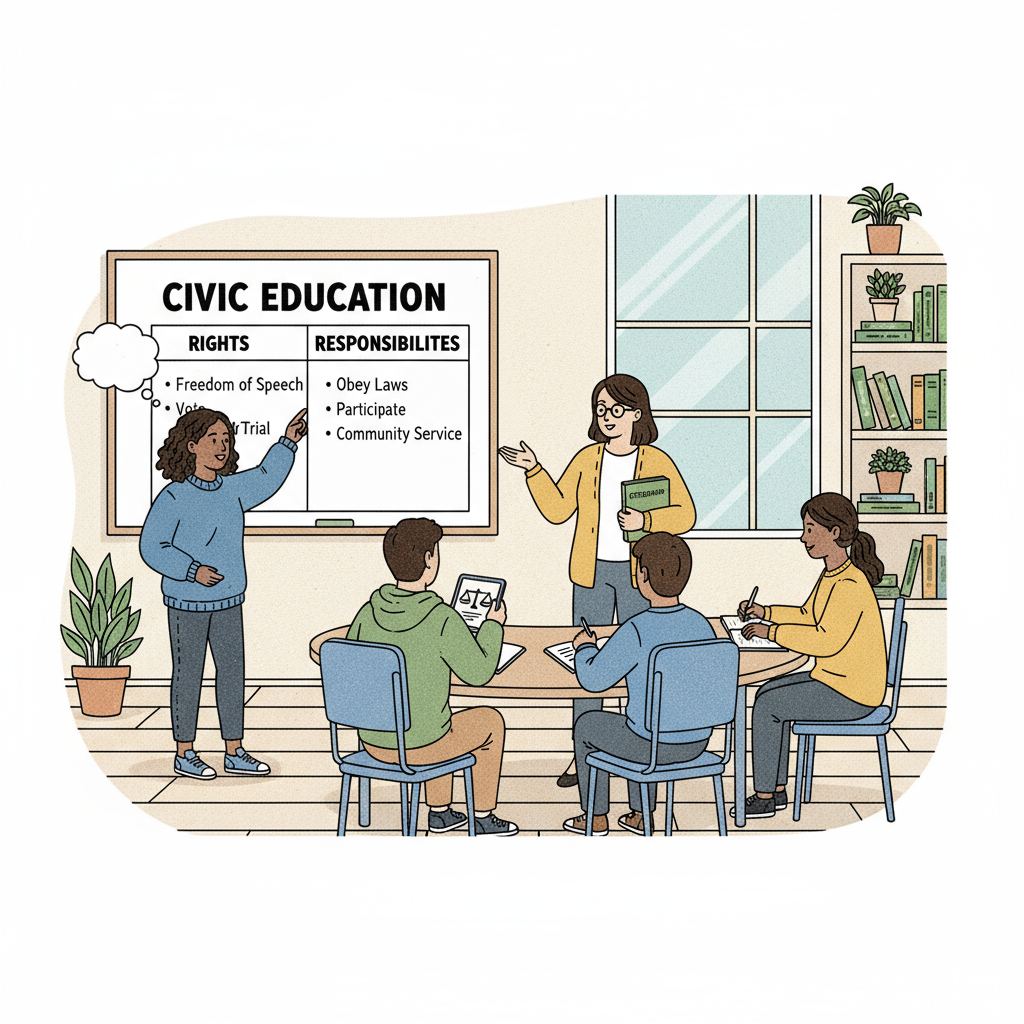
Civic Responsibility in the Digital World
Citizens must verify information, engage respectfully, and participate responsibly in political discussions.
Digital literacy plays a key role in maintaining healthy political environments.
Global Politics and International Relations
Technology has also impacted global politics. Governments communicate instantly, and international issues gain global attention in real time.
Digital diplomacy and online negotiations have become part of modern international relations.
The Future of Politics
The future of politics will likely involve greater use of technology, data-driven governance, and digital citizen participation.
While challenges remain, technology offers opportunities to make political systems more inclusive and responsive.
Conclusion
Modern politics is shaped by technology, media, and public engagement. The digital age has transformed how political power is exercised and how citizens participate.
A balanced approach that combines innovation with responsibility is essential for a healthy political future.