Politics in 2026 is evolving rapidly, influenced by technological advancements, shifting global alliances, and increasing public awareness. Governments, political institutions, and citizens are navigating a complex landscape where decisions are shaped not only by traditional ideologies but also by digital transformation and global challenges.
From social media influence to international diplomacy, modern politics is more interconnected than ever. In this blog, we explore how politics is changing in the modern era and what it means for the future of governance and society.
The Role of Technology in Politics
Technology has become a powerful tool in shaping political narratives and public opinion. Social media platforms allow politicians to communicate directly with citizens, bypassing traditional media channels.
Digital campaigns, online debates, and data-driven strategies are now essential components of modern politics. While technology enhances transparency and engagement, it also raises concerns about misinformation and data privacy.
The Rise of Digital Campaigning
Political campaigns have shifted significantly towards digital platforms. Candidates use targeted advertising, analytics, and social media engagement to reach specific audiences.
This approach allows for more personalized communication but also introduces ethical challenges related to data usage and manipulation. Voters are now more informed, but they must also be cautious about the information they consume.
Key Elements of Digital Campaigns
- Social media outreach
- Data analytics
- Targeted advertisements
- Online fundraising
- Virtual events
Globalization and Political Interdependence
In today’s interconnected world, political decisions in one country can have far-reaching effects globally. Issues such as climate change, trade policies, and international security require cooperation among nations.
Global organizations and alliances play a crucial role in addressing these challenges. Diplomacy and collaboration are essential for maintaining stability and promoting development.
The Impact of Social Media
Social media has transformed how political information is shared and consumed. It provides a platform for discussion, activism, and mobilization. However, it also presents challenges such as misinformation, echo chambers, and polarization.
The speed at which information spreads can influence public opinion and even election outcomes. Governments and organizations are working to regulate content and ensure the integrity of information.
Youth Participation in Politics
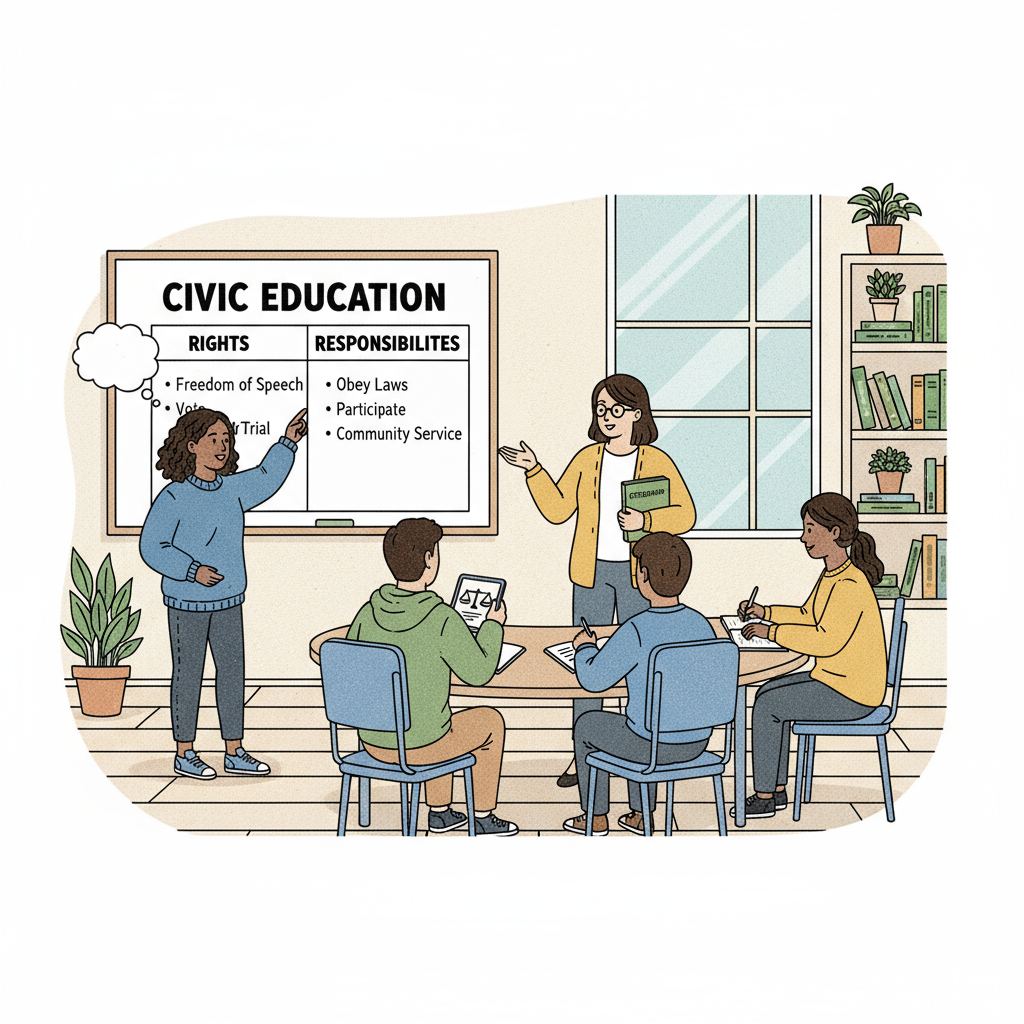
Young people are becoming increasingly involved in politics. With access to information and digital tools, they are more aware of social and political issues. Youth movements and activism are shaping policies and driving change.
This increased participation is encouraging governments to address issues such as education, employment, and climate change more seriously.
Challenges in Modern Politics
Despite advancements, modern politics faces several challenges. Corruption, inequality, and political polarization remain significant issues. Additionally, balancing national interests with global responsibilities can be difficult.
Leaders must navigate these challenges while maintaining transparency, accountability, and public trust.
The Importance of Good Governance
Good governance is essential for sustainable development and social stability. It involves transparency, accountability, and effective decision-making. Governments must prioritize the needs of citizens and ensure fair policies.
Strong institutions and ethical leadership play a crucial role in building trust and promoting progress.
Future Trends in Politics
The future of politics will be shaped by innovation and changing societal expectations. Some key trends include:
- Increased use of AI in policy-making
- Greater emphasis on transparency
- Growth of digital democracy
- Focus on sustainability and climate policies
- Enhanced global cooperation
These trends highlight the need for adaptable and forward-thinking political systems.
Conclusion
Modern politics is a dynamic and evolving field influenced by technology, globalization, and public engagement. While challenges remain, there are also opportunities for positive change and innovation.
By embracing transparency, encouraging participation, and leveraging technology responsibly, governments can create a more inclusive and effective political system. The future of politics depends on the ability to adapt and respond to the needs of a rapidly changing world.