Introduction
We are living in a digital era where innovation is not just a trend—it is a necessity. From smartphones to smart homes, modern features are transforming how we live, work, and interact with the world. These features are designed to improve convenience, efficiency, and overall user experience.
In this blog, we will explore the key features that define today’s digital landscape and how they are shaping the future of technology and everyday life.
The Evolution of Digital Features
Over the past decade, digital features have evolved significantly. What once seemed futuristic is now part of our daily routine. Features like voice assistants, cloud storage, and real-time communication tools have become essential.
The rapid advancement of technology has enabled companies to integrate powerful features into compact devices, making technology more accessible than ever before.
Key Drivers of Innovation
- Consumer Demand: Users expect faster, smarter, and more efficient solutions.
- Technological Advancements: AI, IoT, and cloud computing drive new features.
- Global Connectivity: The internet connects billions of people worldwide.
Smart Features in Everyday Devices
1. Artificial Intelligence Integration
Artificial Intelligence (AI) is one of the most impactful features in modern technology. From personalized recommendations to intelligent automation, AI enhances user experience across various platforms.
Devices can now learn user behavior and adapt accordingly, making interactions more intuitive and efficient.
2. Voice Recognition Technology
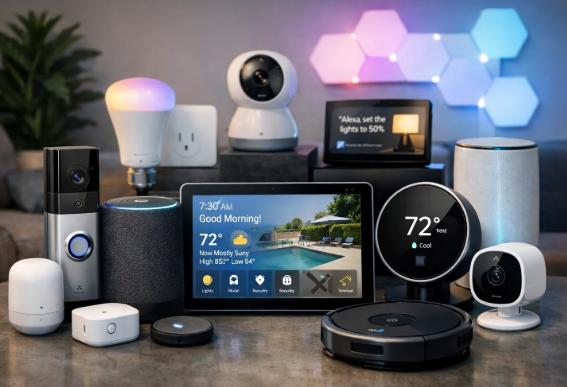
Voice assistants have become a common feature in smartphones and smart home devices. Users can perform tasks such as setting reminders, controlling appliances, and searching the internet using voice commands.
This feature improves accessibility and convenience, especially for users with disabilities.
3. Cloud Integration
Cloud technology allows users to store and access data from anywhere. It eliminates the need for physical storage devices and ensures data security and backup.
Businesses and individuals alike benefit from seamless data synchronization across multiple devices.
Features Enhancing User Experience
1. Personalization
Modern applications use data analytics to provide personalized experiences. From recommended products to customized content, personalization enhances user satisfaction.
2. User-Friendly Interfaces
Simple and intuitive interfaces are crucial for user engagement. Designers focus on creating clean layouts and easy navigation to improve usability.
3. Real-Time Updates
Real-time features allow users to receive instant updates, whether it’s news, messages, or system notifications. This keeps users informed and connected at all times.
Security Features in the Digital Age
1. Biometric Authentication
Security is a top priority in modern technology. Features like fingerprint scanning and facial recognition provide secure and convenient access to devices.
2. Data Encryption
Encryption ensures that sensitive information remains protected from unauthorized access. It is widely used in online transactions and communication.
3. Multi-Factor Authentication
This feature adds an extra layer of security by requiring multiple forms of verification before granting access.
Emerging Features to Watch
1. Internet of Things (IoT)
IoT connects everyday devices to the internet, allowing them to communicate and share data. Smart homes, wearable devices, and connected cars are examples of IoT in action.
2. Augmented Reality (AR)
AR enhances the real world by overlaying digital information. It is widely used in gaming, retail, and education.
3. Blockchain Technology
Blockchain provides secure and transparent transactions. It is gaining popularity in finance, supply chain management, and data security.
Challenges of Modern Features
1. Privacy Concerns
As technology collects more data, privacy concerns are increasing. Users must be aware of how their data is used.
2. High Costs
Advanced features often come with higher costs, making them less accessible to some users.
3. Complexity
While features aim to simplify life, too many options can sometimes overwhelm users.
The Future of Digital Features
The future of digital features lies in greater integration, smarter systems, and enhanced user experiences. Technologies will continue to evolve, making devices more intelligent and responsive.
Innovation will focus on creating seamless interactions between humans and technology, ensuring convenience and efficiency in every aspect of life.
Conclusion
Modern features are redefining how we interact with technology. From AI-driven personalization to advanced security measures, these features are shaping the digital world.
As technology continues to evolve, staying informed about these features will help individuals and businesses make better decisions and fully leverage the benefits of innovation.