Introduction
In a world driven by consumption, fast shopping, digital noise, and constant comparison, a quiet revolution is happening — people are choosing less. Minimalism is not simply about having fewer objects; it is about creating space for what truly matters. A growing number of individuals are leaving behind cluttered lifestyles, unnecessary spending, and material pressure to adopt simplicity, clarity, and intention.
This feature explores why minimalism is rising globally, how it improves mental clarity and well-being, how people are transforming homes and routines, and why this lifestyle isn`t just a trend — it`s a shift in mindset.
1. What exactly is minimalism?
Minimalism is a lifestyle that focuses on purpose, priority, and value. It means owning only what adds meaning and letting go of distractions. A minimalist mindset isn`t anti-possessions — it’s pro-purpose. You can have things you love, but you avoid collecting what burdens you.
- Minimalism = less clutter, more clarity
- Minimalism = fewer distractions, more focus
- Minimalism = reduced noise, increased peace
- Minimalism = thoughtful consumption over impulse buying
2. Why are people shifting toward minimalist living?
People are overwhelmed — by work, by information, by items they don’t use. Closets overflow with clothes never worn. Homes are filled with items bought impulsively. Social media pushes more desire, more comparison, more pressure. Minimalism is the answer for many who crave mental space and emotional stability.

Key reasons behind its popularity
- Mental peace: Less visual clutter reduces stress.
- Financial freedom: When you buy less, you save more.
- Environmental awareness: People want sustainable choices.
- Digital burnout: Minimalism extends to screens and information too.
3. Minimalism at home — creating a space that breathes
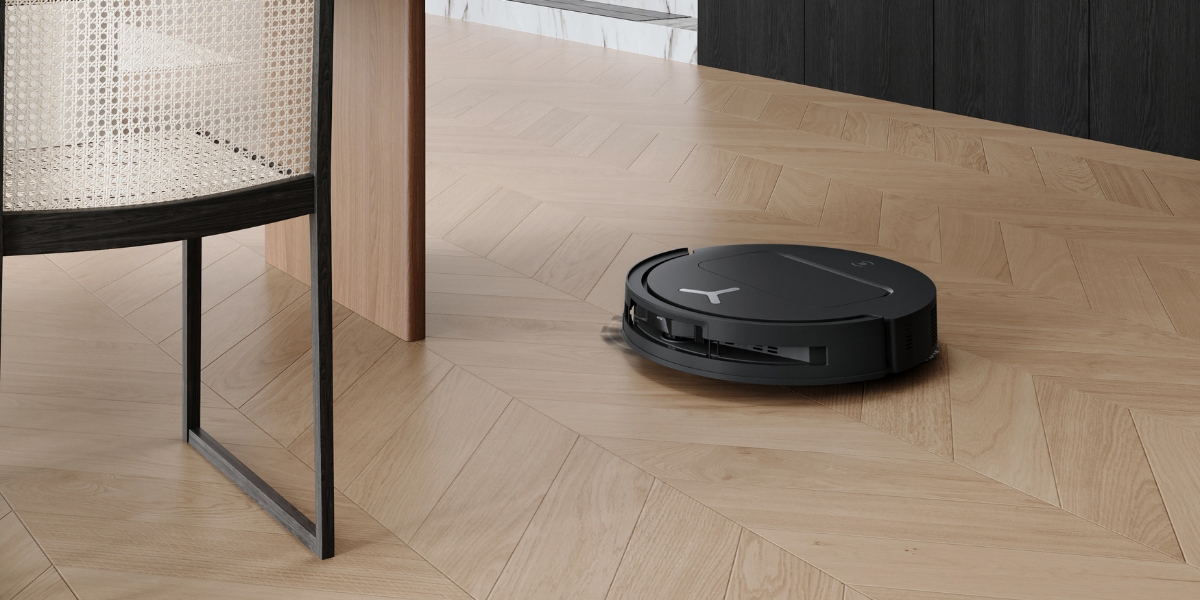
The home is where minimalism is most visible. Instead of packed rooms, minimalism encourages open space, clean lines, natural light, and meaningful items. It`s a home that feels calm the moment you walk inside.
How to start at home
- Remove items you haven’t used in a year.
- Keep multipurpose furniture instead of heavy decor pieces.
- Use neutral color tones to build a peaceful atmosphere.
- Store less — display only what matters.
4. Minimalism in daily life — beyond just furniture
The minimalist mindset extends to routines, relationships, spending, and digital habits. It encourages saying no to what drains energy — and yes to what enriches life. Instead of multitasking endlessly, minimalism believes in focusing deeply on one thing at a time.
Areas where minimalism is growing
- Minimal wardrobes (capsule clothing)
- Clean eating and diet simplification
- Intentional spending habits
- Shorter to-do lists, more effective days

5. Mental clarity — the biggest hidden benefit
Psychologists increasingly believe that visual chaos triggers mental chaos. When space is overloaded, the mind stays overloaded. Minimalism reduces decision fatigue — you spend less time choosing outfits, managing clutter, or planning purchases. The brain finally finds room to breathe.
What people report after shifting
- More focus & productivity
- Lower stress and anxiety
- Better financial control
- Improved confidence and self-value
6. The digital minimalist movement
Digital minimalism is booming. People are cutting down notification anxiety, screen addiction, and endless scrolling. Many now use smaller app sets, disable social feeds, and choose offline hobbies. Instead of being constantly connected, they are consciously selective.
Digital declutter steps
- Uninstall apps you don`t use.
- Turn off push notifications except important ones.
- Limit social media time per day.
- Prefer long-form knowledge over micro-scrolling.
7. Minimalism is not sacrifice — it`s freedom
Minimalism is not about living with scarcity. It is about abundance in the right places. It`s the freedom of waking up without stress. The joy of knowing you own what you value — not what the world pressured you to buy. When life contains less noise, the meaningful parts shine brighter.
Conclusion — Less is the new luxury
Minimalism is no longer a niche idea. It`s a movement that speaks to this generation — a generation tired of excess, burnout, and pressure. In simplicity, people are rediscovering peace, purpose, and fulfillment. The future of lifestyle is not about having more — but about needing less.
Minimalism is not about emptiness. It`s about intentional fullness. When you choose less, you gain more — more clarity, more time, more joy.
Images credit: Unsplash