Education is one of the most powerful tools for personal growth and national development. It shapes minds, builds character, and prepares individuals to face life’s challenges with confidence. Quality education not only provides academic knowledge but also develops practical skills, ethical values, and social responsibility.
In today’s competitive and technology-driven world, education is more important than ever. It determines career opportunities, financial stability, and the overall progress of societies. Countries that prioritize education tend to experience faster economic growth and stronger social structures.
1. Education as the Foundation of Success
Education lays the foundation for a successful future. From early childhood learning to higher education, every stage plays a critical role in shaping a person’s abilities and mindset.
Students who receive quality education are better equipped to think critically, solve problems, and adapt to changing environments. These skills are essential in modern workplaces where innovation and creativity are highly valued.
Why Education Matters
- Builds knowledge and expertise
- Improves communication skills
- Enhances confidence and self-esteem
- Creates better career opportunities
2. The Role of Schools and Universities
Schools and universities play a vital role in shaping students’ academic and personal development. Teachers guide students through structured learning while encouraging curiosity and independent thinking.
Higher education institutions provide specialized knowledge and research opportunities that contribute to innovation and technological advancement.
3. Technology in Modern Education
The integration of technology has transformed education significantly. Online classes, digital libraries, smart classrooms, and educational apps have made learning more accessible and interactive.
Students can now attend virtual lectures, access global resources, and collaborate with peers worldwide. This digital transformation has expanded learning opportunities beyond traditional classroom walls.
Benefits of Educational Technology
- Flexible learning schedules
- Access to global knowledge
- Interactive and engaging lessons
- Personalized learning experiences
4. Skill Development and Career Readiness
Modern education systems emphasize skill development alongside academic achievement. Employers today look for candidates who possess both technical knowledge and soft skills such as teamwork, leadership, and adaptability.
Internships, workshops, and project-based learning help students gain practical experience and prepare for real-world challenges.
5. Challenges in Achieving Quality Education
Despite progress, many regions face challenges such as limited resources, lack of trained teachers, and unequal access to education. Rural and underprivileged communities often struggle to receive the same quality of education as urban areas.
Addressing these challenges requires government support, community involvement, and investment in infrastructure and teacher training programs.
Major Educational Challenges
- Limited access in remote areas
- High tuition and education costs
- Insufficient digital infrastructure
- Outdated curricula in some institutions
6. Education and Social Development
Education promotes equality and social harmony. It reduces poverty by providing better employment opportunities and empowering individuals to improve their living standards.
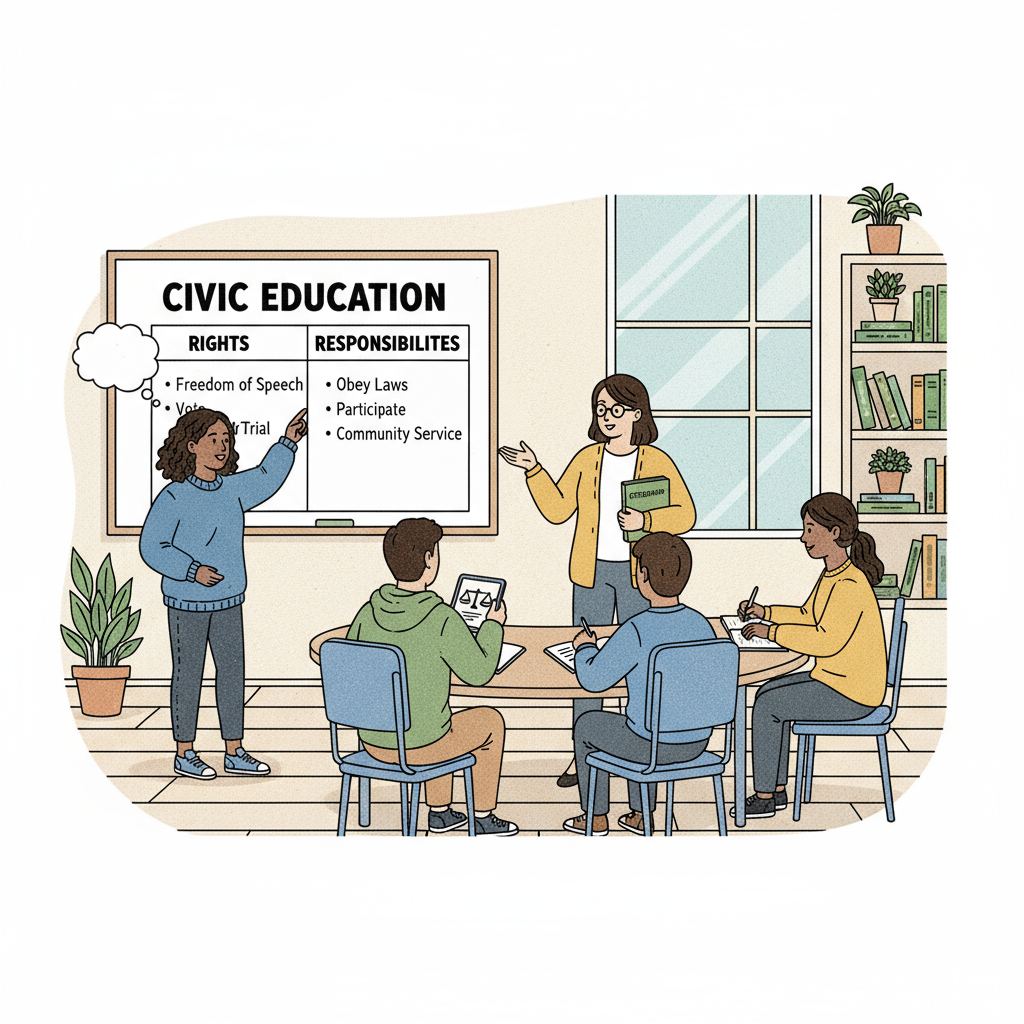
Educated communities are more aware of their rights and responsibilities, contributing to peaceful and progressive societies.
7. Lifelong Learning and Continuous Growth
Education does not end with graduation. Lifelong learning has become essential in a rapidly changing world. Professionals continuously update their skills through online courses, certifications, and training programs.
This commitment to continuous learning ensures adaptability and long-term career success.
Conclusion
Quality education is the cornerstone of personal achievement and national progress. It builds knowledge, develops essential skills, and promotes social responsibility.
By investing in accessible and innovative