Education is the foundation of personal growth, social development, and economic progress. It empowers individuals with knowledge, skills, and values that help them make informed decisions and contribute positively to society. In today’s fast-changing world, education plays a critical role in preparing people for future challenges and opportunities.
Understanding the True Meaning of Education
Education is not limited to textbooks and classrooms. It is a lifelong process that begins at birth and continues throughout life. Formal education provides academic knowledge, while informal education teaches life skills, ethics, and social behavior.
A well-rounded education develops critical thinking, creativity, and problem-solving abilities. It enables individuals to understand the world around them and adapt to change with confidence.
Education Beyond Academics
Modern education focuses not only on academic success but also on emotional intelligence, communication skills, and moral values. These qualities help individuals build strong relationships and succeed in both personal and professional life.
The Role of Education in Personal Development
Education plays a vital role in shaping an individual’s personality and character. It builds self-confidence, encourages independence, and promotes curiosity. Educated individuals are more likely to make informed choices regarding health, career, and lifestyle.
Through education, people gain the ability to analyze situations, think critically, and solve problems effectively. These skills are essential for success in today’s competitive world.
Building Confidence and Self-Reliance
Knowledge gives people confidence. When individuals understand concepts and develop skills, they feel more capable of facing challenges. Education helps people become self-reliant and responsible members of society.
Education and Economic Growth
Education is a key driver of economic development. Skilled and educated workers contribute to higher productivity, innovation, and economic stability. Countries that invest in education often experience faster growth and improved living standards.
Education also opens doors to better job opportunities and higher incomes. It reduces poverty by enabling individuals to secure stable employment and improve their quality of life.
Education as an Investment
Spending on education is not an expense but an investment in the future. Educated populations are more adaptable, innovative, and capable of driving long-term economic progress.
The Impact of Technology on Education
Technology has transformed the education system significantly. Online learning platforms, digital classrooms, and educational apps have made learning more accessible than ever before. Students can now learn at their own pace and access resources from anywhere in the world.
Technology has also improved teaching methods by making lessons more interactive and engaging. Virtual reality, artificial intelligence, and multimedia tools enhance understanding and retention.
Online and Distance Learning
Online education has removed geographical barriers and provided opportunities for lifelong learning. It is especially beneficial for working professionals and students in remote areas who may not have access to traditional institutions.
Education and Social Development
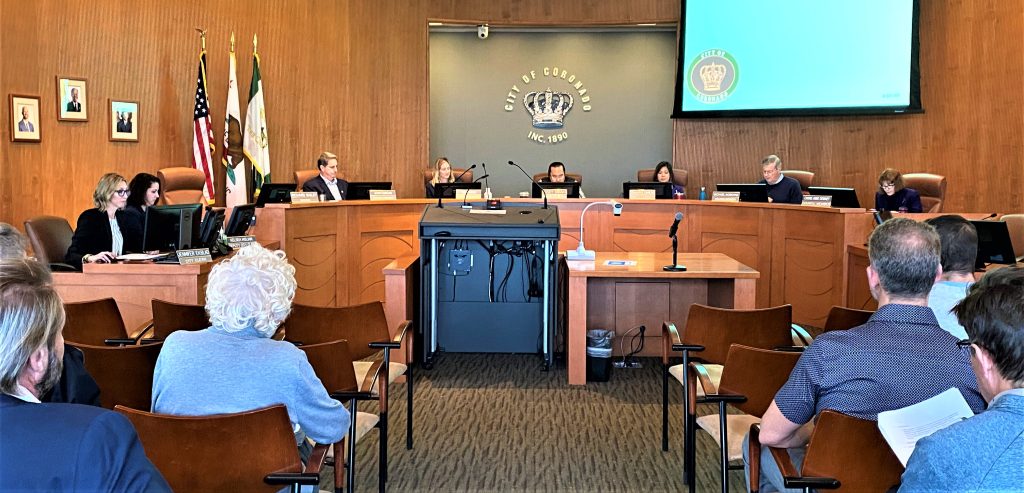
Education promotes social equality and harmony. It helps reduce discrimination, promotes tolerance, and encourages respect for diversity. Educated individuals are more likely to participate in community development and civic activities.
Education also plays a crucial role in raising awareness about social issues such as health, environment, and human rights. This awareness leads to positive social change.
Creating Responsible Citizens
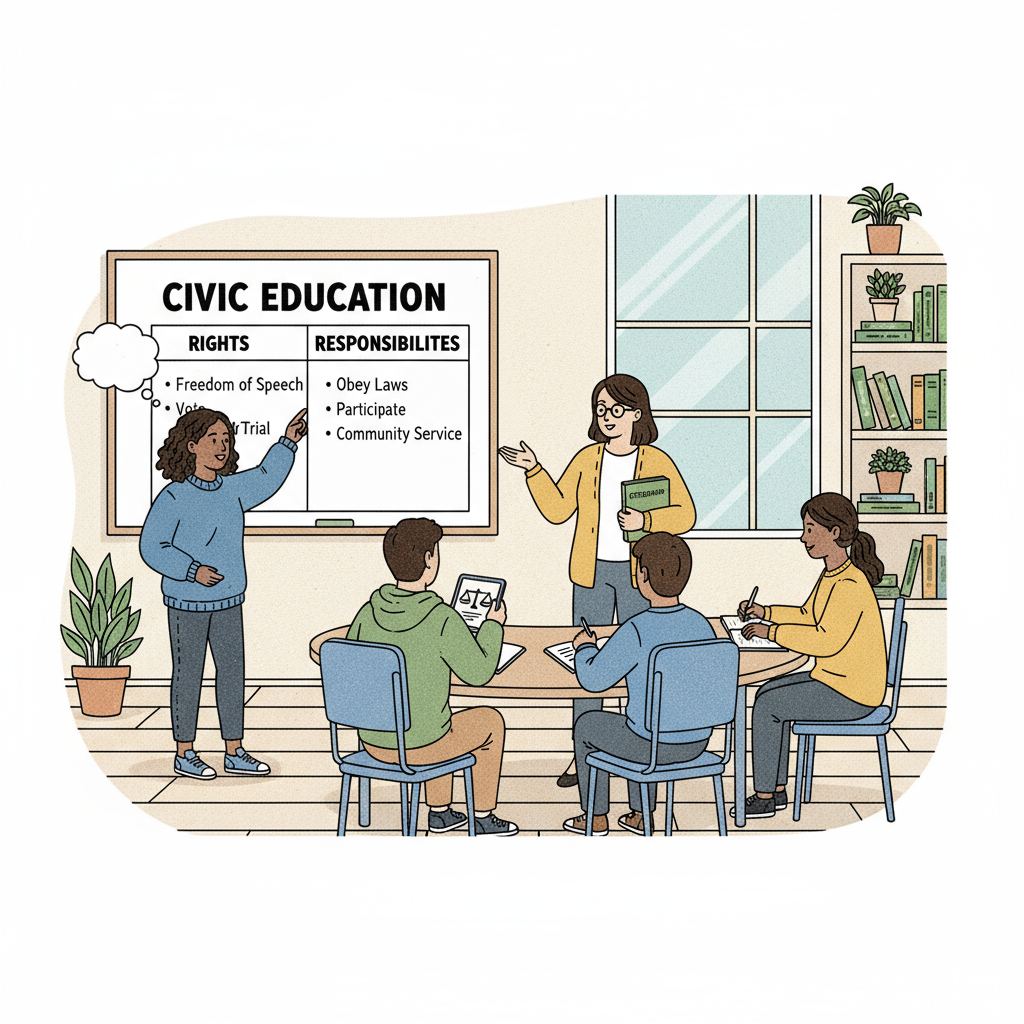
An educated society is a responsible society. Education teaches individuals about their rights and duties, encouraging active participation in democratic processes and social improvement.
Challenges in the Education System
Despite its importance, education systems around the world face several challenges. These include lack of resources, outdated curricula, unequal access, and teacher shortages. Addressing these issues requires strong policies and community involvement.
Improving education quality and accessibility is essential for ensuring equal opportunities for all.
The Need for Educational Reforms
Educational reforms should focus on modern curricula, teacher training, and the integration of technology. These changes can help prepare students for the demands of the modern world.
Conclusion: Education as the Key to a Better Future
Education is the most powerful tool for transforming lives and societies. It empowers individuals, strengthens economies, and promotes social progress. By investing in quality education, we can create a brighter and more sustainable future for generations to come.
As the world continues to evolve, education must adapt to meet new challenges. A strong and inclusive education system is essential for building a knowledgeable, skilled, and responsible global community.