Introduction
Politics plays a powerful role in shaping the future of nations and societies. Government decisions influence economic growth, education systems, healthcare, infrastructure, employment opportunities, and social stability. Political leaders and institutions create policies that directly affect the daily lives of citizens.
In the modern world, politics has become increasingly connected with technology, globalization, and public opinion. Social media platforms, digital communication, and instant news sharing have changed how people interact with governments and political systems. Citizens are now more informed and actively involved in political discussions than ever before.
Political stability and effective leadership are essential for national progress. Countries with strong governance systems often experience better economic development, improved public services, and higher living standards. On the other hand, political conflicts and instability can create economic problems, social unrest, and uncertainty.
Understanding Politics
Politics refers to the processes and activities related to governing a country or society. It involves decision-making, law creation, public administration, and the distribution of resources and power.
Political systems differ from country to country. Some nations follow democratic systems where citizens elect leaders through voting, while others may have monarchies or different forms of governance.
Main Functions of Politics
- Creating laws and policies
- Managing national resources
- Protecting citizens and maintaining security
- Supporting economic growth
- Providing public services
- Representing the interests of the population
Effective political systems help societies maintain order, stability, and long-term development.
The Relationship Between Politics and the Economy
Politics and economics are closely connected. Government policies influence taxation, business regulations, trade, employment, and investment opportunities. Political decisions can either support economic growth or create financial challenges.
Stable political environments usually attract investors and encourage business development. Countries with clear economic policies and transparent governance often experience stronger economic performance.
How Politics Influences the Economy
- Setting tax policies
- Managing inflation and public spending
- Supporting businesses and industries
- Creating employment opportunities
- Regulating international trade
- Developing infrastructure projects
Governments must balance economic growth with social welfare to ensure sustainable national development.
The Importance of Democracy
Democracy is one of the most widely used political systems in the modern world. In democratic societies, citizens have the right to vote, express opinions, and participate in political processes.
Democracy promotes accountability, transparency, and public participation. Elected leaders are expected to represent the interests of the people and work toward national progress.
Advantages of Democracy
- Freedom of speech and expression
- Citizen participation in governance
- Protection of human rights
- Peaceful transfer of power
- Government accountability
Although democratic systems face challenges, they continue to play an important role in promoting political stability and social equality.
The Role of Political Parties
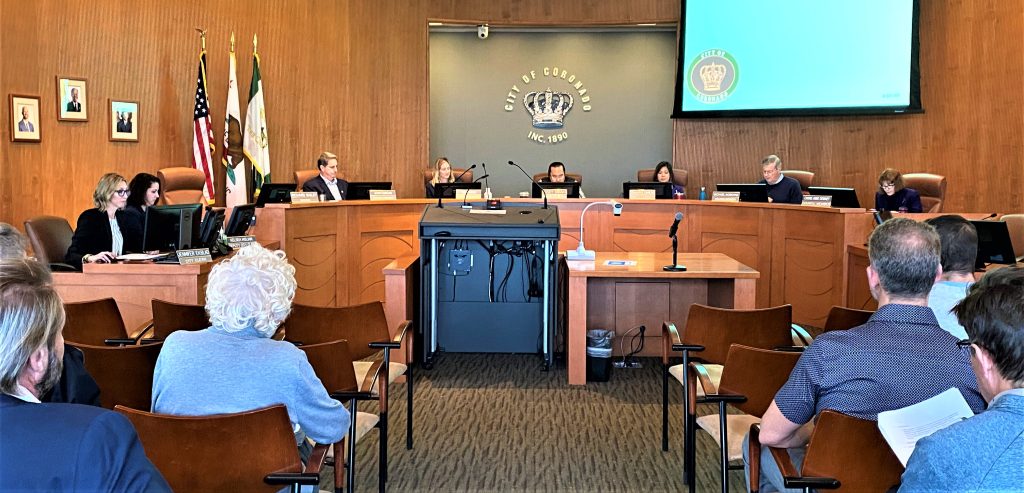
Political parties are organizations that represent different ideas, policies, and visions for society. They compete in elections to gain political power and influence government decisions.
Political parties help organize democratic systems by giving citizens choices during elections. Different parties often focus on issues such as economic reform, education, healthcare, environmental protection, and social justice.
Main Functions of Political Parties
- Representing public interests
- Developing political policies
- Encouraging political participation
- Selecting political candidates
- Influencing government decisions
Healthy political competition can encourage better governance and policy development.
Politics and Social Development
Politics also plays a major role in social development. Governments create policies related to education, healthcare, social welfare, housing, and public safety.
Effective social policies can improve living standards, reduce poverty, and create equal opportunities for citizens.
Areas Influenced by Politics
- Education systems
- Healthcare services
- Public transportation
- Employment opportunities
- Human rights protections
- Environmental regulations
Strong social policies contribute to healthier, more educated, and more stable societies.
The Impact of Technology on Politics
Technology has transformed modern politics in many ways. Social media platforms, digital news, and online communication have changed how political campaigns operate and how citizens access information.
Politicians now use social media to connect directly with voters, share updates, and promote policies. Citizens can also express opinions, participate in discussions, and organize social movements online.
Advantages of Digital Politics
- Faster communication with the public
- Greater political awareness
- Increased public participation
- Real-time access to information
- Improved transparency
However, digital platforms also create challenges such as misinformation, political polarization, and online manipulation.
Globalization and International Politics
Globalization has increased connections between countries through trade, technology, and international cooperation. Political decisions in one country can now affect economies and societies worldwide.
International organizations and diplomatic relationships play important roles in maintaining global peace, security, and economic stability.
Major Areas of International Politics
- Trade agreements
- Climate change policies
- Global security cooperation
- Human rights advocacy
- International economic partnerships
Modern political leaders must understand both national and global challenges to make effective decisions.
Challenges in Modern Politics
Political systems around the world face many challenges. Corruption, misinformation, political conflicts, and economic inequality continue to affect governments and societies.
Citizens increasingly demand transparency, accountability, and effective leadership from political institutions.
Major Political Challenges
- Political corruption
- Economic inequality
- Social polarization
- Cybersecurity threats
- Misinformation and fake news
- Global political tensions
Addressing these issues requires cooperation between governments, organizations, and citizens.
The Importance of Citizen Participation
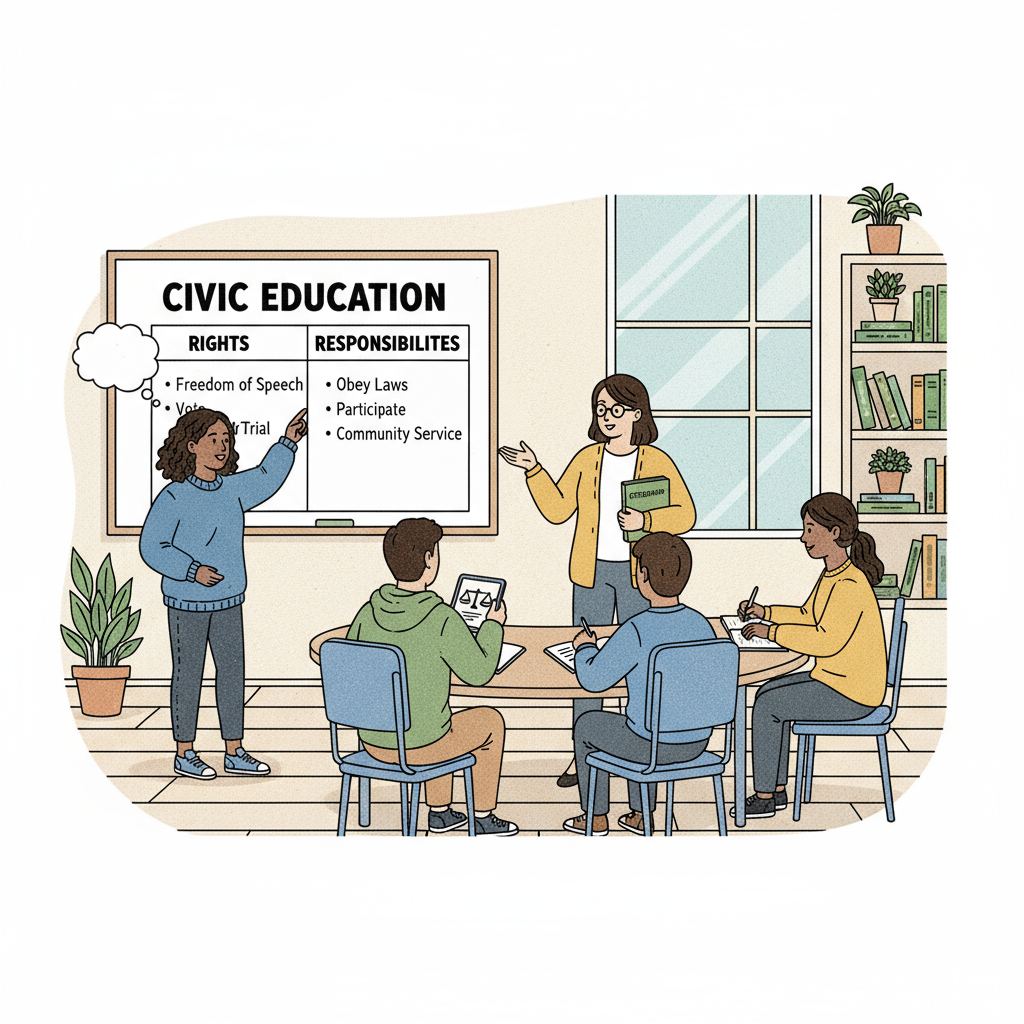
Citizen participation is essential for healthy political systems. Voting, public discussions, community involvement, and peaceful activism help strengthen democracy and accountability.
Educated and informed citizens are better prepared to make responsible political decisions and support positive social change.
Ways Citizens Can Participate
- Voting in elections
- Joining public discussions
- Supporting community initiatives
- Staying informed about policies
- Promoting peaceful civic engagement
Active participation helps ensure that governments remain connected to the needs of the people.
The Future of Politics
The future of politics will likely be shaped by technology, environmental concerns, economic changes, and evolving social expectations. Governments must adapt to rapidly changing global conditions while maintaining stability and public trust.
Future Political Trends
- Digital governance systems
- Greater use of artificial intelligence
- Increased focus on climate policies
- Global cooperation on economic issues
- Improved transparency through technology
Political systems that embrace innovation and inclusiveness may achieve stronger long-term development.
Conclusion
Politics influences every part of modern society, from economic development and education to healthcare and international relations. Effective governance and responsible leadership are essential for creating stable, prosperous, and fair societies.
In the digital age, politics is becoming more connected, transparent, and influenced by public participation. Technology and globalization continue shaping political systems and changing how governments interact with citizens.
Understanding politics helps individuals become informed citizens who can contribute to positive social and economic progress. Strong political systems built on accountability, fairness, and cooperation can create better opportunities and improved living standards for future generations.