Politics plays a major role in shaping the world around us. From economic policies and international relations to education, healthcare, and technology, political decisions influence almost every aspect of daily life. In the modern era, politics has become more interconnected and visible than ever before due to globalization, digital communication, and social media platforms.
Governments and political leaders face complex challenges such as climate change, economic instability, cybersecurity threats, migration, and social inequality. At the same time, citizens are becoming more aware of political issues and actively participating in discussions through online platforms and public movements.
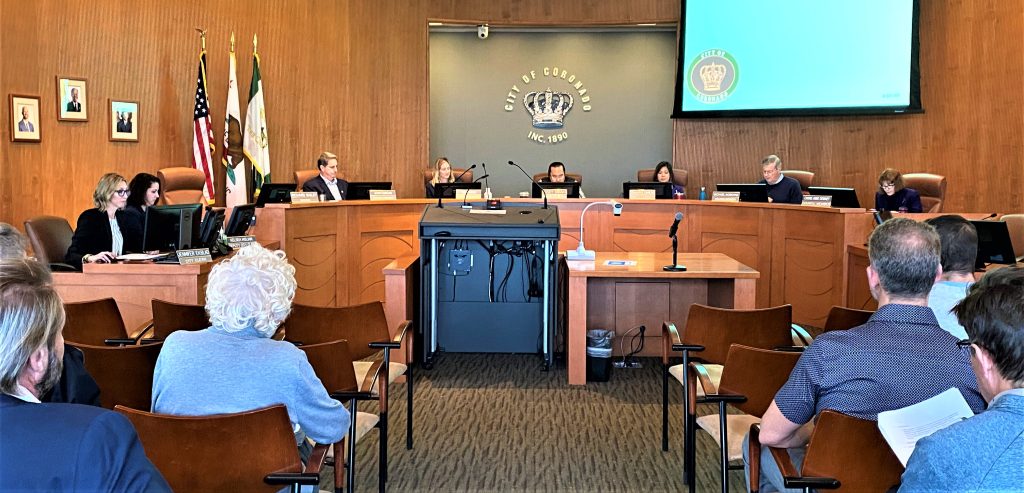
Modern politics is no longer limited to government buildings and traditional media. It has become a global conversation that affects businesses, communities, and individuals worldwide. Understanding how politics impacts society is essential for creating informed and responsible citizens.
The Evolution of Modern Politics
Political systems have evolved significantly throughout history. In earlier times, communication between governments and citizens was slow and limited. Today, technology allows political information to spread instantly across the world.
Social media platforms, news websites, and digital communication tools have changed how political campaigns are conducted and how citizens engage with leaders. Politicians now use online platforms to connect directly with voters, share policies, and respond to public concerns.
Major Changes in Modern Politics
- Growth of digital political campaigns
- Increased public participation online
- Global influence of international relations
- Faster spread of political information
- Greater focus on social issues and equality
- Expansion of political activism through social media
These developments have created both opportunities and challenges for modern democracies.
The Role of Social Media in Politics
Social media has become one of the most powerful tools in politics. Platforms like Facebook, X, Instagram, TikTok, and YouTube allow politicians and citizens to communicate instantly.
Political campaigns now heavily rely on digital advertising, viral videos, and online engagement to reach audiences. Social media also gives citizens the ability to share opinions, organize protests, and discuss political issues openly.
However, social media also creates challenges such as misinformation, fake news, and online polarization. False information can spread quickly and influence public opinion, making media literacy more important than ever.
Advantages of Social Media in Politics
- Direct communication between leaders and citizens
- Faster access to political information
- Greater public engagement
- Opportunities for grassroots movements
- Global awareness of social issues
Politics and the Economy
Political decisions have a direct impact on economic growth and financial stability. Governments create policies related to taxes, trade, employment, business regulations, and public spending.
Strong economic policies can improve living standards, create jobs, and encourage investment. On the other hand, poor political decisions can lead to inflation, unemployment, and economic uncertainty.
Global markets are also influenced by political events such as elections, international conflicts, and trade agreements. Businesses closely monitor political developments because government policies can affect industries and investments significantly.
International Relations and Global Politics
Modern politics extends beyond national borders. Countries now depend on each other for trade, security, technology, and environmental cooperation.
International organizations and diplomatic relationships play important roles in maintaining global peace and economic stability. Political tensions between countries can impact energy prices, international trade, and global security.
Climate change, migration, cybersecurity, and public health crises require international cooperation. Governments must work together to address challenges that affect the entire world.
The Importance of Democracy
Democracy allows citizens to participate in government through voting and public representation. Democratic systems encourage freedom of speech, equality, and accountability.
In democratic societies, citizens have the right to express opinions, criticize leaders, and participate in political discussions. Elections provide opportunities for people to choose representatives and influence national policies.
However, democracy also faces challenges such as political corruption, misinformation, and declining trust in institutions. Protecting democratic values requires active participation and informed citizens.
Youth Participation in Politics
Young people are becoming increasingly involved in political discussions and activism. Social media has given younger generations powerful platforms to raise awareness about social justice, climate change, education, and human rights.
Many youth-led movements have gained global attention and influenced political debates. Younger voters are also demanding greater transparency, equality, and action on important global issues.
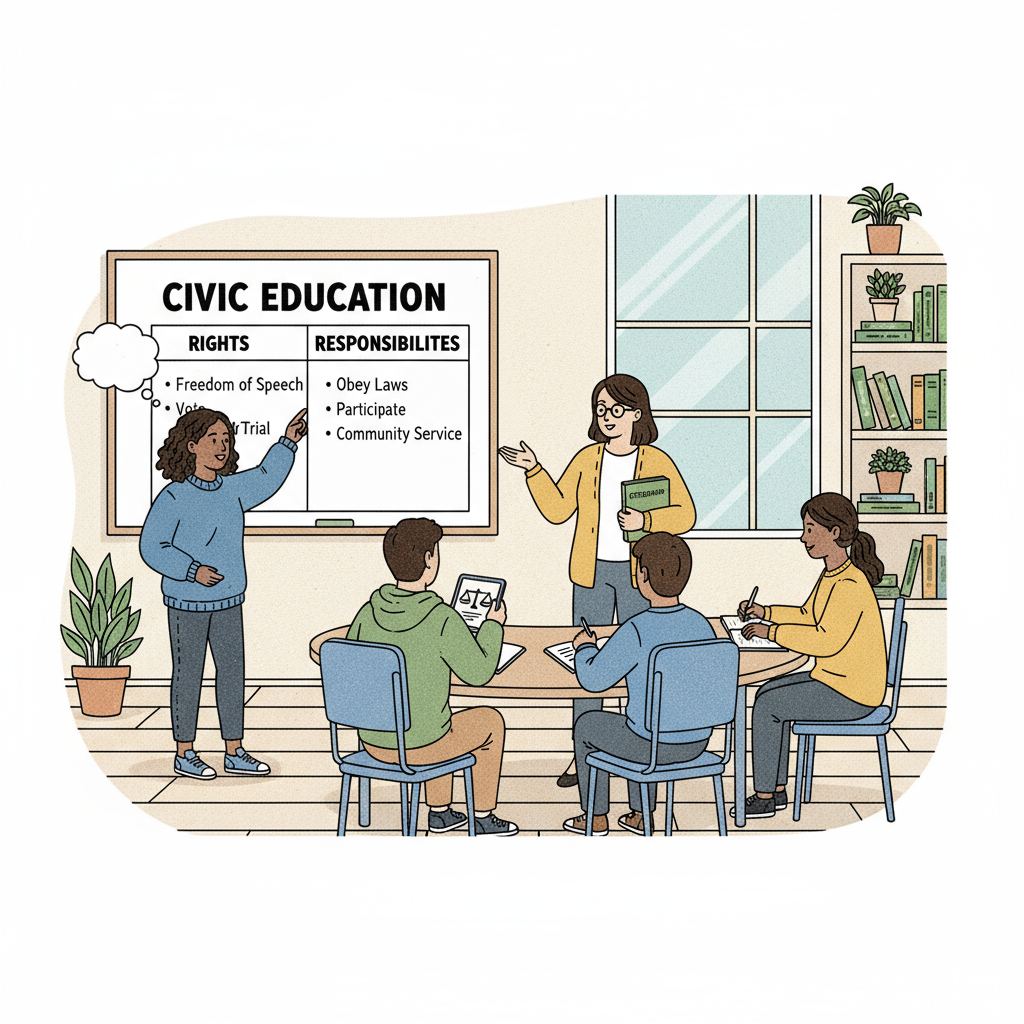
Political participation among youth is essential for building inclusive and forward-thinking societies. Educating young citizens about political systems and civic responsibilities can strengthen democracy and social progress.
Challenges Facing Modern Politics
Modern politics faces numerous challenges that affect governments and societies around the world. Political polarization has increased in many countries, leading to division and conflict among citizens.
Corruption remains a major issue in some political systems, reducing public trust and slowing economic development. Cybersecurity threats and digital misinformation are also creating new risks for democratic processes.
Climate change is another major political challenge that requires immediate action and international cooperation. Governments must balance economic growth with environmental sustainability.
Major Political Challenges
- Political polarization
- Corruption and lack of transparency
- Cybersecurity threats
- Misinformation and fake news
- Economic inequality
- Climate change and environmental concerns
The Role of Media in Politics
Media organizations play a critical role in informing the public about political events and government actions. News channels, newspapers, websites, and digital platforms influence public opinion and political awareness.
Responsible journalism helps citizens make informed decisions and promotes accountability among political leaders. However, biased reporting and sensational content can increase political tension and misinformation.
Media literacy has become increasingly important in the digital age. Citizens must learn how to evaluate information critically and identify reliable sources.
The Future of Politics
The future of politics will likely be shaped by technology, globalization, and changing social values. Artificial Intelligence, big data, and digital communication tools may transform political campaigns and public administration.
Governments may increasingly rely on digital systems to improve transparency, efficiency, and public services. Online voting systems and AI-powered policy analysis could become more common in the future.
Future political systems will also need to address growing concerns about privacy, cybersecurity, social equality, and environmental sustainability.
Conclusion
Politics has a powerful influence on society, the economy, and global development. Modern political systems are evolving rapidly due to technology, globalization, and increased public participation.
While social media and digital communication have improved political engagement, they have also introduced challenges such as misinformation and political polarization. Governments and citizens must work together to protect democratic values, promote transparency, and address global challenges responsibly.
Understanding politics is essential for every citizen because political decisions affect education, healthcare, employment, security, and overall quality of life. As the world continues to change, informed and active participation will remain critical for building fair, stable, and progressive societies.