Politics plays a major role in shaping societies, economies, and international relationships. Governments make decisions that directly affect education, healthcare, business, security, technology, and the daily lives of millions of people. In the modern world, politics has become more interconnected and influential than ever before due to globalization, digital communication, and rapid technological advancements.
Political systems differ from country to country, but every government faces similar challenges, including economic growth, public welfare, national security, environmental protection, and social stability. The success or failure of political leadership often determines how effectively nations can respond to these challenges.
In recent years, political discussions have expanded beyond traditional media into social platforms, allowing citizens to participate more actively in political debates and public decision-making. This transformation has changed the relationship between governments and the public worldwide.
Understanding Modern Politics
Modern politics refers to the systems, institutions, and activities involved in governing nations and managing public affairs in the contemporary world. Politics influences laws, economic policies, foreign relations, taxation, public services, and human rights.
Democratic systems allow citizens to participate in elections and influence government decisions, while other political systems may operate differently based on national structures and historical backgrounds.
Technology and globalization have significantly changed how political systems function. Governments now operate in a highly connected world where international cooperation and global challenges affect domestic policies.
The Relationship Between Politics and the Economy
1. Economic Policies and Growth
Political decisions strongly influence economic development. Governments create policies related to taxation, trade, investment, infrastructure, and employment that directly affect national economies.
Stable political environments generally attract foreign investment and encourage business growth, while political instability can create uncertainty and reduce economic confidence.
2. Inflation and Public Spending
Governments manage national budgets and public spending to support economic stability. Decisions regarding healthcare, education, infrastructure, and social welfare programs impact both economic growth and quality of life.
Poor financial management, corruption, or excessive debt can lead to inflation, unemployment, and economic crises.
The Role of Technology in Politics
1. Social Media and Political Communication
Social media platforms have transformed political communication completely. Politicians and governments can now communicate directly with citizens through platforms such as Facebook, X, YouTube, Instagram, and TikTok.
Political campaigns increasingly rely on digital marketing, online advertisements, and social media engagement to reach voters.
2. Digital Activism
Technology has empowered citizens to organize movements, raise awareness, and participate in political discussions online. Hashtags, online petitions, and digital campaigns often influence political debates and policy decisions.
However, misinformation and fake news have also become major challenges in digital politics, affecting public trust and political stability.
Globalization and International Relations
Modern politics is closely connected to globalization. Countries rely on international trade, diplomatic relationships, and global cooperation to address economic and security challenges.
International organizations play important roles in promoting peace, economic development, and humanitarian assistance around the world.
Political conflicts between nations can impact global markets, supply chains, migration, and international security.
The Importance of Leadership
Strong leadership is essential for effective governance. Political leaders are responsible for making critical decisions during economic crises, natural disasters, public health emergencies, and security threats.
Effective leaders often demonstrate communication skills, strategic planning, transparency, and the ability to unite people during difficult times.
Leadership quality can significantly influence public trust and national progress.
The Role of Citizens in Democracy
1. Voting and Participation
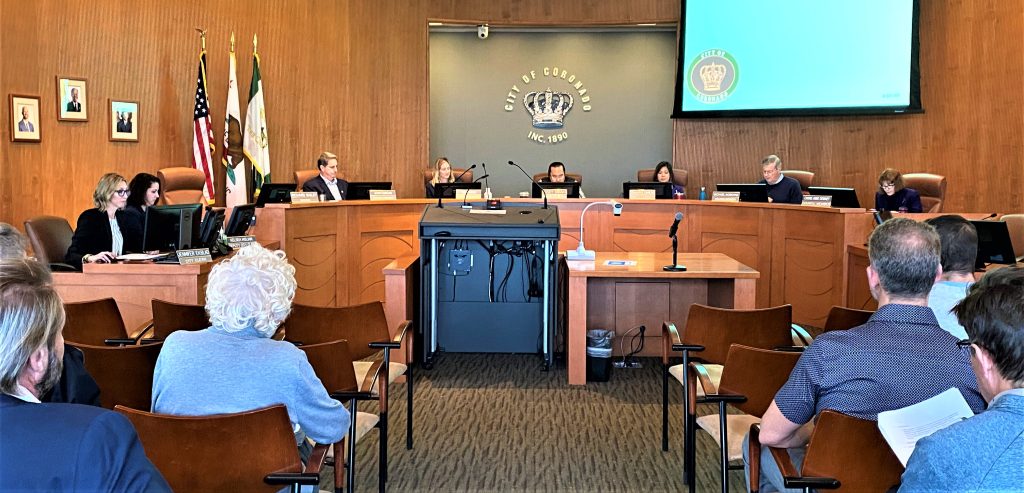
In democratic systems, citizens play a major role through voting and civic participation. Elections allow people to choose leaders and influence government policies.
Public participation extends beyond voting and includes peaceful protests, public discussions, community involvement, and advocacy for social issues.
2. Political Awareness
Political awareness helps citizens make informed decisions. Access to reliable information, education, and independent journalism strengthens democratic systems and public accountability.
Educated and informed societies are generally more capable of participating effectively in governance processes.
Challenges in Modern Politics
1. Political Polarization
Political polarization has increased in many countries. Differences in ideology, social values, and economic priorities often create deep divisions within societies.
Excessive polarization can make compromise difficult and reduce political stability.
2. Corruption
Corruption remains one of the biggest political challenges worldwide. Misuse of public funds, bribery, and lack of transparency damage public trust and slow economic development.
Governments must strengthen accountability systems, independent institutions, and anti-corruption laws to maintain public confidence.
3. Global Crises
Modern governments face global challenges such as climate change, pandemics, cyber threats, migration crises, and international conflicts.
These issues often require international cooperation and coordinated political responses.
Politics and Climate Change
Climate change has become one of the most important political issues globally. Governments are under increasing pressure to reduce carbon emissions, invest in renewable energy, and protect natural resources.
Political decisions regarding environmental policies directly impact future generations and global sustainability efforts.
International climate agreements demonstrate how politics influences global environmental action.
The Future of Politics
1. Artificial Intelligence in Governance
Artificial intelligence may play a larger role in public administration and policy analysis in the future. Governments are already using data analytics and AI systems to improve public services, transportation, healthcare, and security.
2. Greater Digital Participation
Digital platforms may continue expanding public participation in governance. Online voting systems, digital consultations, and virtual town halls could make political engagement more accessible.
However, cybersecurity and data privacy will remain major concerns in digital political systems.
The Importance of Education in Politics
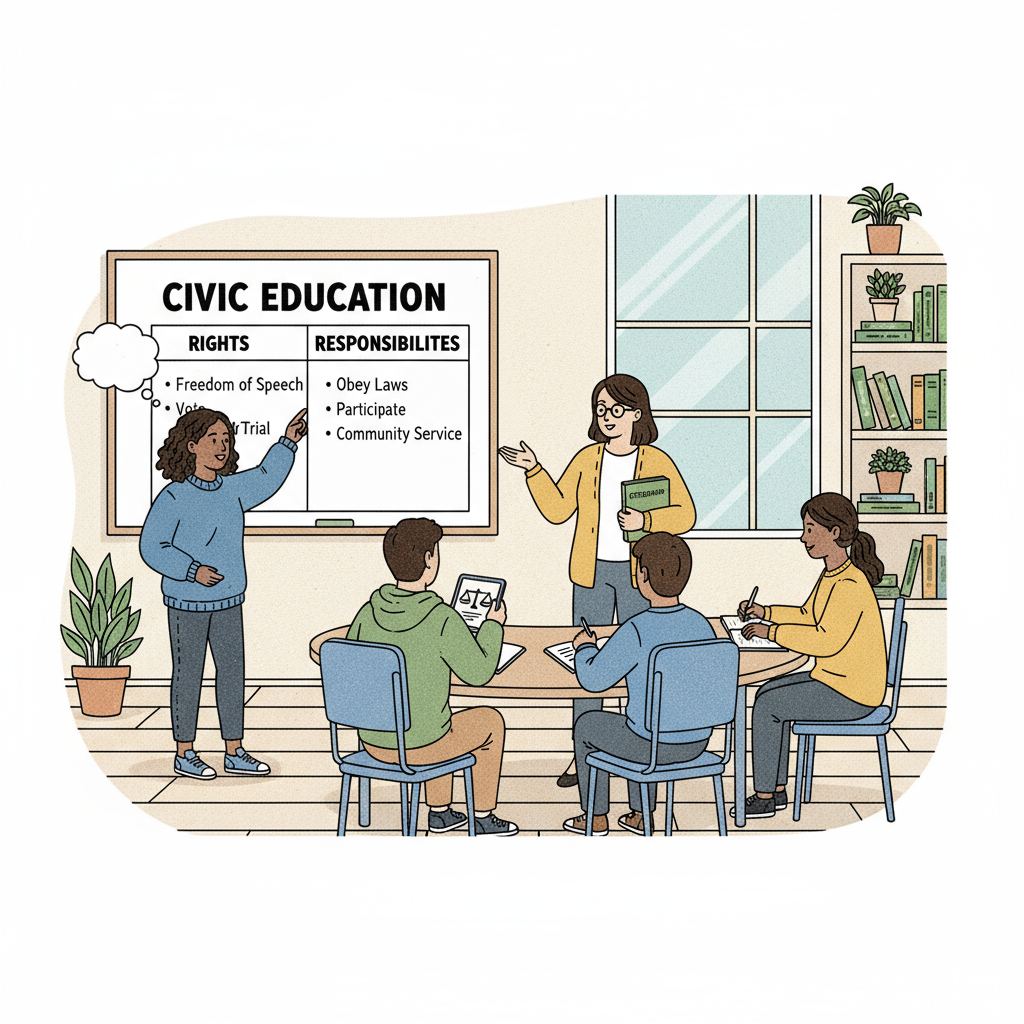
Education plays a critical role in creating informed citizens and responsible leadership. Political education helps people understand laws, rights, responsibilities, and democratic principles.
Societies with strong educational systems are often better equipped to handle political challenges and encourage constructive public debate.
Conclusion
Politics shapes every aspect of modern society, from economic growth and education to healthcare, technology, and environmental protection. Effective governance and responsible leadership are essential for national stability and long-term development.
Technology, globalization, and digital communication have transformed how political systems operate, creating both opportunities and challenges for governments and citizens alike.
As the world continues evolving, political systems must adapt to changing social, economic, and environmental conditions. Strong institutions, informed citizens, transparency, and international cooperation will remain essential for building a stable and prosperous future.