Politics plays a major role in shaping the future of nations, economies, societies, and international relations. In 2026, political decisions continue influencing global development through policies related to trade, education, healthcare, technology, security, and climate change. Governments around the world face increasing pressure to manage economic challenges, social issues, and rapidly changing global conditions while maintaining political stability.
Modern politics is no longer limited to traditional government activities. It now involves digital communication, social media influence, international cooperation, economic competition, and public engagement on a global scale. Political leaders and institutions are expected to respond quickly to emerging issues while balancing the interests of citizens, businesses, and international partners.
The Role of Politics in Society
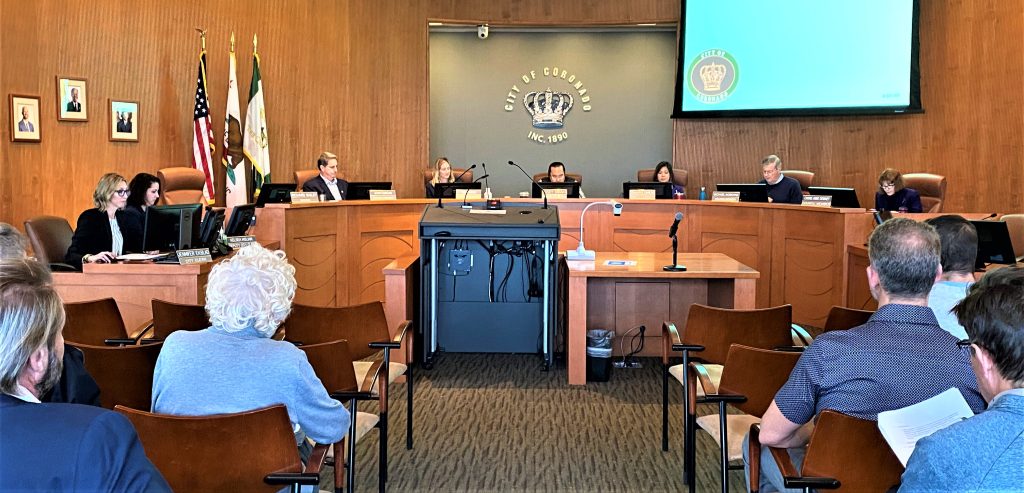
Politics is the system through which governments create laws, manage public resources, and make decisions that affect society. Political systems help organize communities, protect citizens’ rights, and maintain national stability.
Governments are responsible for:
- Creating and enforcing laws
- Managing national economies
- Providing public services
- Maintaining national security
- Developing infrastructure
- Supporting healthcare and education
- Representing the country internationally
Effective political leadership is essential for economic growth, social harmony, and national development.
The Influence of Technology on Politics
Technology has transformed the political landscape dramatically in recent years. Social media platforms, digital campaigns, and online communication tools now play a major role in political discussions and elections.
Political leaders use digital platforms to:
- Communicate directly with citizens
- Share political campaigns
- Promote government policies
- Respond to public concerns
- Influence public opinion
Citizens also use social media to express political opinions, participate in debates, and organize social movements.
Benefits of Digital Political Communication
- Faster communication with the public
- Greater political awareness
- Improved access to information
- Increased citizen participation
- Real-time updates during major events
However, digital politics also creates challenges such as misinformation, fake news, online propaganda, and cybersecurity risks.
Economic Policies and Political Decisions
Economic growth is closely connected to political leadership and government policies. Political decisions influence taxation, employment opportunities, business regulations, inflation control, and public spending.
Strong economic policies can:
- Create jobs
- Encourage business investments
- Improve infrastructure
- Reduce poverty levels
- Support innovation and technology
- Increase international trade
On the other hand, poor political decisions can lead to economic instability, unemployment, and rising inflation.
Global Economic Competition
Countries today compete economically through trade agreements, technological advancements, and industrial development. Governments are investing heavily in digital infrastructure, renewable energy, Artificial Intelligence, and advanced manufacturing industries to strengthen their economies.
International economic cooperation is becoming increasingly important in maintaining global stability and development.
Politics and International Relations
International relations are a critical part of modern politics. Countries work together through diplomacy, trade partnerships, defense agreements, and global organizations to address international challenges.
Major global political issues include:
- Climate change
- International security
- Economic cooperation
- Refugee crises
- Global health emergencies
- Cybersecurity threats
Strong diplomatic relationships help countries maintain peace, improve trade opportunities, and collaborate on global development goals.
The Importance of Democracy
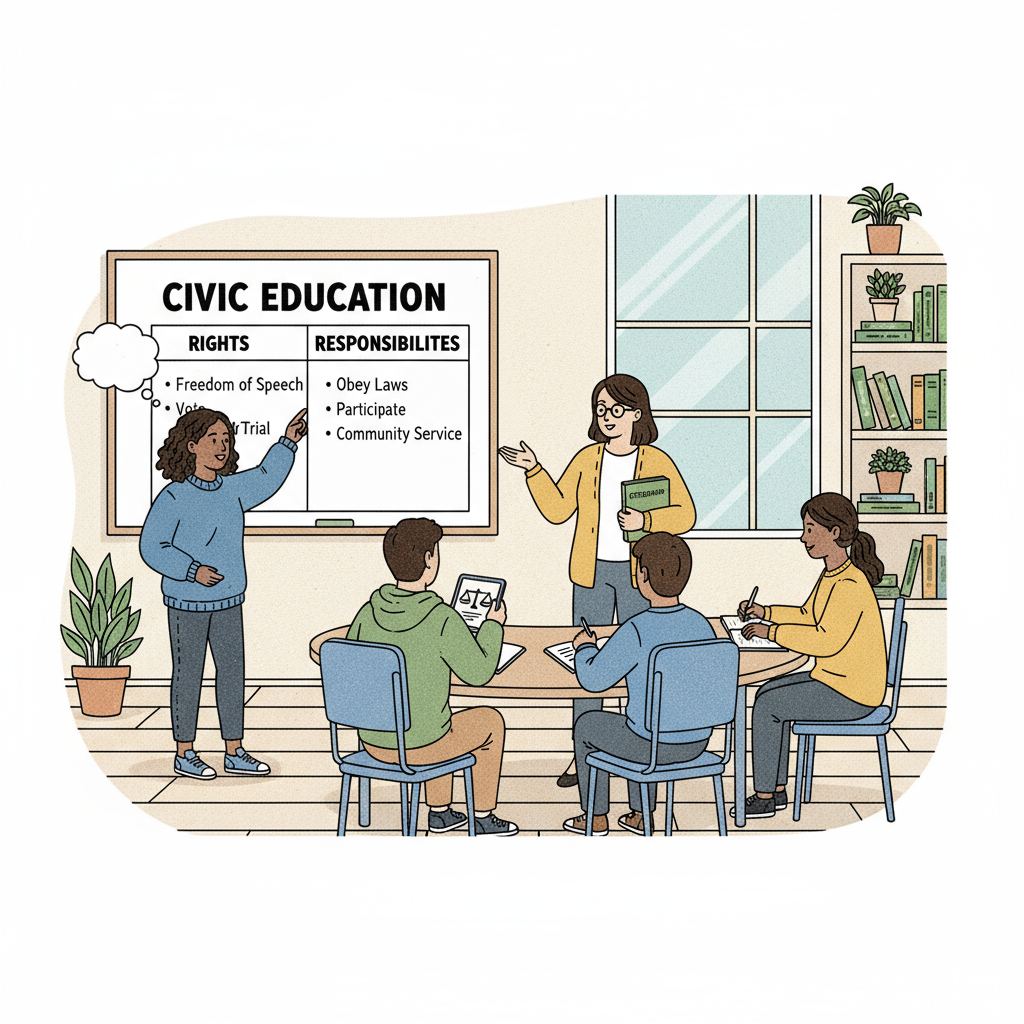
Democracy remains one of the most widely practiced political systems in the world. Democratic governments allow citizens to participate in elections and influence political decisions through voting.
Key Principles of Democracy
- Free and fair elections
- Freedom of speech
- Rule of law
- Equal rights for citizens
- Government accountability
- Independent judicial systems
Democracy encourages public participation and helps protect individual freedoms and human rights.
However, democratic systems also face challenges such as political polarization, corruption, and declining public trust in institutions.
The Role of Youth in Politics
Young people are becoming increasingly active in politics and social movements. Through social media and digital communication platforms, younger generations are raising awareness about issues such as climate change, education reform, employment opportunities, and social justice.
Youth participation in politics can:
- Encourage innovation in policy-making
- Increase political awareness
- Strengthen democratic participation
- Promote long-term social reforms
Many governments and political organizations are now focusing on engaging younger voters and supporting youth leadership programs.
Climate Change and Environmental Politics
Environmental issues have become central topics in global politics. Governments are under increasing pressure to address climate change, pollution, renewable energy development, and environmental protection.
Political leaders are implementing policies related to:
- Reducing carbon emissions
- Expanding renewable energy
- Protecting natural resources
- Promoting sustainable industries
- Improving environmental regulations
International climate agreements are encouraging countries to work together to reduce environmental damage and support sustainable development.
Challenges Facing Modern Politics
Modern political systems face several complex challenges that affect governments and societies worldwide.
Political Polarization
Increasing political divisions between groups can create social tension and reduce cooperation within governments and communities.
Misinformation and Fake News
The rapid spread of false information online can influence public opinion and create confusion during elections and political debates.
Corruption
Corruption weakens public trust in political institutions and negatively affects economic and social development.
Global Security Threats
Governments must address issues such as terrorism, cyberattacks, and international conflicts while maintaining national security.
The Impact of Artificial Intelligence on Politics
Artificial Intelligence is beginning to influence political systems and government operations. AI technologies are being used for data analysis, policy research, public service management, and election monitoring.
AI can help governments:
- Analyze public opinion
- Improve administrative efficiency
- Detect cybersecurity threats
- Predict economic trends
- Improve public services
However, AI also raises ethical concerns related to privacy, surveillance, and automated decision-making.
The Future of Global Politics
The future of global politics will likely involve greater international cooperation, technological integration, and public participation. Governments will continue adapting to digital transformation, climate challenges, economic competition, and changing social expectations.
Future political trends may include:
- Digital government services
- AI-assisted policy analysis
- Greater climate cooperation
- Smart city development
- Improved international cybersecurity systems
- More transparent governance practices
Countries that successfully balance innovation, democracy, economic growth, and social stability will likely become global leaders in the future.
Conclusion
Politics continues playing a powerful role in shaping the future of societies, economies, and international relations. Modern political systems are increasingly influenced by technology, global cooperation, environmental concerns, and changing public expectations.
Strong leadership, transparent governance, and responsible policy-making are essential for addressing the complex challenges facing the modern world. While political systems continue evolving, citizen participation and public awareness remain important for maintaining democratic values and promoting social progress.
In the coming years, political innovation and international collaboration will be critical in building a more stable, sustainable, and prosperous future for people around the world.