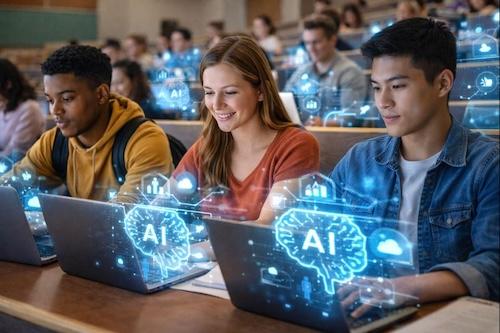
Education has always been a powerful tool for personal growth and societal development. Over the past decade, the rapid advancement of technology has transformed traditional education systems into more flexible, accessible, and innovative learning environments. Digital learning is no longer a future concept; it is now an essential part of modern education worldwide.
From online classrooms and virtual libraries to interactive learning apps and artificial intelligence-based tools, digital learning has reshaped how students learn and how teachers teach. This article explores the impact of digital learning on modern education, its benefits, challenges, and what the future holds.
What Is Digital Learning?
Digital learning refers to the use of technology to deliver educational content and facilitate learning experiences. It includes online courses, e-learning platforms, mobile learning apps, virtual classrooms, and digital assessments. Unlike traditional classroom learning, digital education allows students to access learning materials anytime and anywhere.
Digital learning is not limited to schools and universities. It is also widely used in professional training, skill development programs, and lifelong learning initiatives. This flexibility makes education more inclusive and accessible to people of all ages.
The Rise of Online Education
Online education has experienced massive growth, especially after global events that disrupted traditional schooling systems. Educational institutions quickly adopted online platforms to ensure continuity in learning. Tools like video conferencing, learning management systems, and cloud-based collaboration software became essential.
Today, many universities and schools offer fully online or hybrid programs. Students can attend live lectures, submit assignments, participate in discussions, and take exams without being physically present on campus.
Flexibility and Convenience
One of the biggest advantages of digital learning is flexibility. Students can learn at their own pace and manage their schedules more effectively. This is especially beneficial for working professionals, parents, and students living in remote areas.
Access to Global Resources
Digital learning provides access to a vast range of global educational resources. Students can learn from international instructors, access online libraries, and enroll in courses offered by top universities around the world. This global exposure enhances learning quality and broadens perspectives.
Role of Technology in Modern Classrooms
Technology has transformed traditional classrooms into interactive learning spaces. Smart boards, tablets, educational software, and multimedia presentations make lessons more engaging and effective. Teachers can use videos, animations, and simulations to explain complex concepts easily.
Digital tools also support personalized learning. Teachers can track student progress using data analytics and adjust teaching strategies based on individual learning needs. This approach improves learning outcomes and student engagement.
Benefits of Digital Learning
Digital learning offers numerous benefits for students, teachers, and educational institutions. One of the most significant advantages is accessibility. Students with disabilities or those living in underserved areas can access quality education through digital platforms.
Cost-effectiveness is another key benefit. Digital resources reduce the need for physical textbooks and infrastructure, making education more affordable. Many online courses are available at low or no cost, promoting equal learning opportunities.
Enhanced Student Engagement
Interactive quizzes, gamified learning, and multimedia content keep students engaged and motivated. Digital learning encourages active participation rather than passive listening, leading to better knowledge retention.
Continuous Learning Opportunities
Digital education supports lifelong learning by offering continuous skill development opportunities. Professionals can upgrade their skills through online certifications and training programs without leaving their jobs.
Challenges of Digital Learning
Despite its many advantages, digital learning also faces challenges. Limited access to technology and reliable internet connectivity remains a major issue in many regions. This digital divide can create inequalities in educational opportunities.
Another challenge is the lack of face-to-face interaction. Some students may feel isolated in online learning environments, affecting motivation and social development. Teachers also face difficulties in maintaining student attention and engagement online.
The Role of Teachers in Digital Education
Teachers play a crucial role in the success of digital learning. Their role has evolved from traditional instructors to facilitators and mentors. Teachers must develop digital skills and adapt teaching methods to suit online and hybrid learning environments.
Professional development and training programs are essential to help educators effectively use digital tools and technologies. Well-trained teachers can create meaningful and interactive digital learning experiences.
The Future of Education
The future of education is closely tied to technological innovation. Artificial intelligence, virtual reality, and augmented reality are expected to further transform learning experiences. These technologies can create immersive and personalized learning environments.
Blended learning models that combine traditional classroom teaching with digital tools will likely become the standard approach. This balanced method offers the best of both worlds by maintaining human interaction while leveraging technology.
Conclusion
Digital learning has significantly impacted modern education by making it more accessible, flexible, and engaging. While challenges exist, the benefits of digital education far outweigh the limitations. With proper planning, investment, and training, digital learning can bridge educational gaps and create equal opportunities for learners worldwide.
As technology continues to evolve, education systems must adapt to prepare students for a rapidly changing world. Digital learning is not just a trend; it is a powerful force shaping the future of education.