In today`s fast-changing digital world, technology has become an essential part of everyday life. From smartphones and artificial intelligence to automation and virtual reality, technological innovations are reshaping industries and societies. However, despite the rapid rise of advanced technology, one powerful force continues to drive innovation and progress: human creativity.
Creativity is the ability to generate new ideas, solve problems in unique ways, and imagine possibilities that do not yet exist. It has been responsible for many of the world`s greatest inventions and cultural achievements. In the modern era, creativity and technology are no longer separate forces. Instead, they are working together to create a future filled with opportunities and innovation.
The Relationship Between Creativity and Technology
Technology provides powerful tools that allow people to express their creativity in ways that were not possible before. Artists, designers, writers, and innovators now have access to digital platforms that allow them to share their work with global audiences instantly. Creative professionals can design complex graphics, compose music, produce films, and develop applications using advanced digital tools.
At the same time, creativity plays an important role in shaping how technology evolves. Engineers, software developers, and entrepreneurs rely on creative thinking to develop new solutions, improve existing technologies, and solve real-world problems. Without creativity, technological progress would slow down significantly.
Creativity in Modern Industries
1. Creative Industries and Digital Media
The creative industries have experienced significant growth thanks to technological advancements. Digital platforms have transformed fields such as graphic design, video production, animation, and content creation. Social media platforms allow creators to showcase their work and build audiences without relying on traditional media channels.
For example, photographers can share their portfolios online, musicians can release their music through streaming platforms, and writers can publish blogs or e-books for global readers. These opportunities have empowered individuals to turn their creativity into successful careers.
2. Innovation in Business
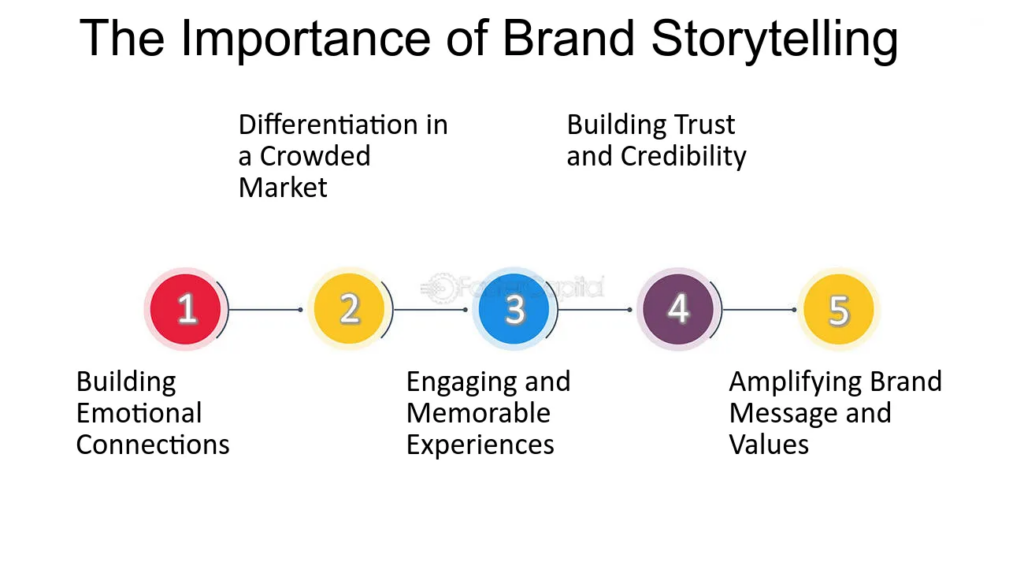
Creativity is not limited to the arts. Businesses also rely on creative thinking to develop new products, improve services, and stay competitive in the marketplace. Innovative companies encourage employees to think creatively and explore new ideas that can lead to breakthrough solutions.
Product design, branding, marketing strategies, and customer experiences all depend on creativity. Companies that embrace creativity often succeed in differentiating themselves from competitors and building strong relationships with customers.
3. Technology Startups and Entrepreneurship
Startups are often driven by creative entrepreneurs who identify problems and develop unique solutions. These innovators combine creativity with technology to create new platforms, applications, and services that transform industries.
Some of the world`s most successful companies started as small startups with creative ideas. Their founders used imagination, determination, and technological expertise to turn innovative concepts into global businesses.
The Role of Education in Developing Creativity
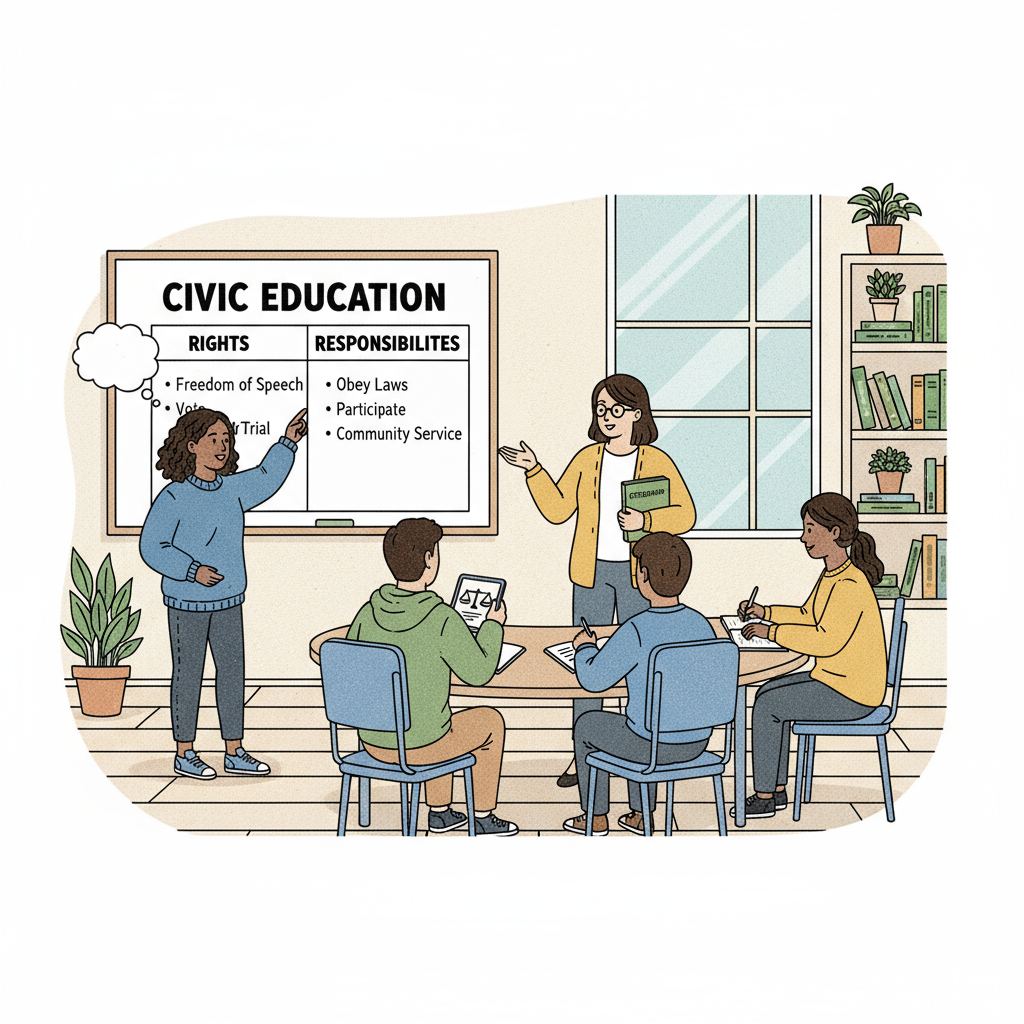
Education plays a vital role in nurturing creativity. Schools and universities must encourage students to think critically, ask questions, and explore new ideas. Traditional education systems often focus heavily on memorization and standardized testing, which can limit creative thinking.
Modern education approaches emphasize problem-solving, collaboration, and project-based learning. These methods allow students to experiment, make mistakes, and learn through practical experiences. When students are encouraged to explore their interests and express their ideas, they develop stronger creative skills that will benefit them throughout their lives.
Technology Tools That Support Creativity
Today, there are countless digital tools that support creative work. Graphic design software allows artists to create stunning visual content, while video editing tools enable filmmakers to produce professional-quality videos. Writers can use online platforms to publish their work and connect with readers worldwide.
Artificial intelligence is also beginning to support creative processes. AI-powered tools can assist with design suggestions, music composition, content generation, and image editing. While AI cannot replace human imagination, it can act as a powerful assistant that enhances the creative process.
Challenges in the Digital Creative Era
Despite the many benefits of technology, there are also challenges for creative professionals. The internet has made it easier to share content, but it has also increased competition. Millions of creators are producing content every day, making it difficult for individuals to stand out.
Another challenge is maintaining originality. With so much content available online, it can be tempting to copy ideas rather than create something new. True creativity requires originality, effort, and continuous learning.
The Future of Creativity
The future will likely see an even stronger connection between creativity and technology. Emerging technologies such as virtual reality, augmented reality, and artificial intelligence will open new possibilities for creative expression. Artists may design immersive virtual worlds, filmmakers may create interactive storytelling experiences, and entrepreneurs may develop innovative digital platforms.
As technology continues to evolve, creativity will remain one of the most valuable human skills. Machines can process data and perform calculations, but imagination and emotional expression are uniquely human qualities that drive innovation and cultural development.
Conclusion
Human creativity is a powerful force that shapes the world around us. In the digital age, technology provides new tools and opportunities for creative expression, while creative thinking continues to drive technological innovation. Together, these forces are transforming industries, education, and everyday life.
To succeed in the modern world, individuals and organizations must embrace both creativity and technology. By combining imagination with digital tools, people can develop groundbreaking ideas, solve complex problems, and build a future filled with innovation and possibility.