Introduction
Artificial Intelligence has rapidly transformed the world around us — creating art, writing code, generating music, and solving problems once considered uniquely human. As AI becomes more capable, faster, and more accessible, a global debate has surfaced: what will happen to human creativity? Will machines replace imagination, or will they amplify it to heights never reached before? In this feature, we explore the evolving relationship between human creativity and artificial intelligence, and how innovation is being reshaped in the modern era.
The myth that AI kills creativity
Many believe AI threatens original expression. They fear a world where algorithms write books, compose melodies, and produce films — leaving human creativity irrelevant. But creativity isn’t only about producing content; it’s about ideas, emotion, intuition, storytelling, and meaning. AI can imitate patterns, but humans create purpose behind them. The truth is, AI is not replacing creativity — it is redefining it.

How AI became a creative partner
Instead of competing with human imagination, AI tools function like advanced collaborators. A designer can generate dozens of design concepts in seconds, refine them manually, and produce something far beyond what traditional workflows allowed. A filmmaker can storyboard full scenes with AI-generated frames, then bring them to life with real actors and physical direction. This partnership accelerates creation rather than replacing the creator.
AI as a brainstorming engine
One of AI’s strongest abilities is idea expansion. Writers facing creative block can generate story outlines. Musicians can explore new chord progressions. Game developers can test environments before building them. Instead of starting from zero, humans start from inspiration — and refine.
AI and the rise of the "hybrid creator"
A new type of artist is emerging: part human, part machine-powered. These hybrid creators guide AI tools with prompts, restructure outputs, combine multiple sources, and inject originality into what AI generates. It is similar to how photography once transformed art — at first rejected, later celebrated.
Where humans still lead — and always will
AI can analyze patterns, but humans feel. Creativity is not only output — it is emotion, cultural influence, lived experience, childhood memories, humor, and personal conflict. No algorithm can experience heartbreak, nostalgia, or joy the way a human mind does. Art gains value not from perfection, but from vulnerability.
- Humans tell stories rooted in personal experience
- Humans understand meaning, social context, and emotion
- Mistakes, imperfections, and style define artistic identity
The future of work for creative industries
Graphic design, writing, film, architecture, music, digital arts, journalism — every creative industry is being reshaped. Instead of eliminating jobs, AI is transforming them. The professionals who thrive will be those who learn how to direct AI instead of resist it.
Creators become directors, not laborers
Previously, 80% of creative time was spent executing tasks — editing, formatting, drafting, prototyping. Now AI handles the heavy build work. Humans can focus on vision, strategy, mood, emotional tone, and storytelling. Creativity becomes bigger, faster, and more powerful.
Education must shift for the new creative generation
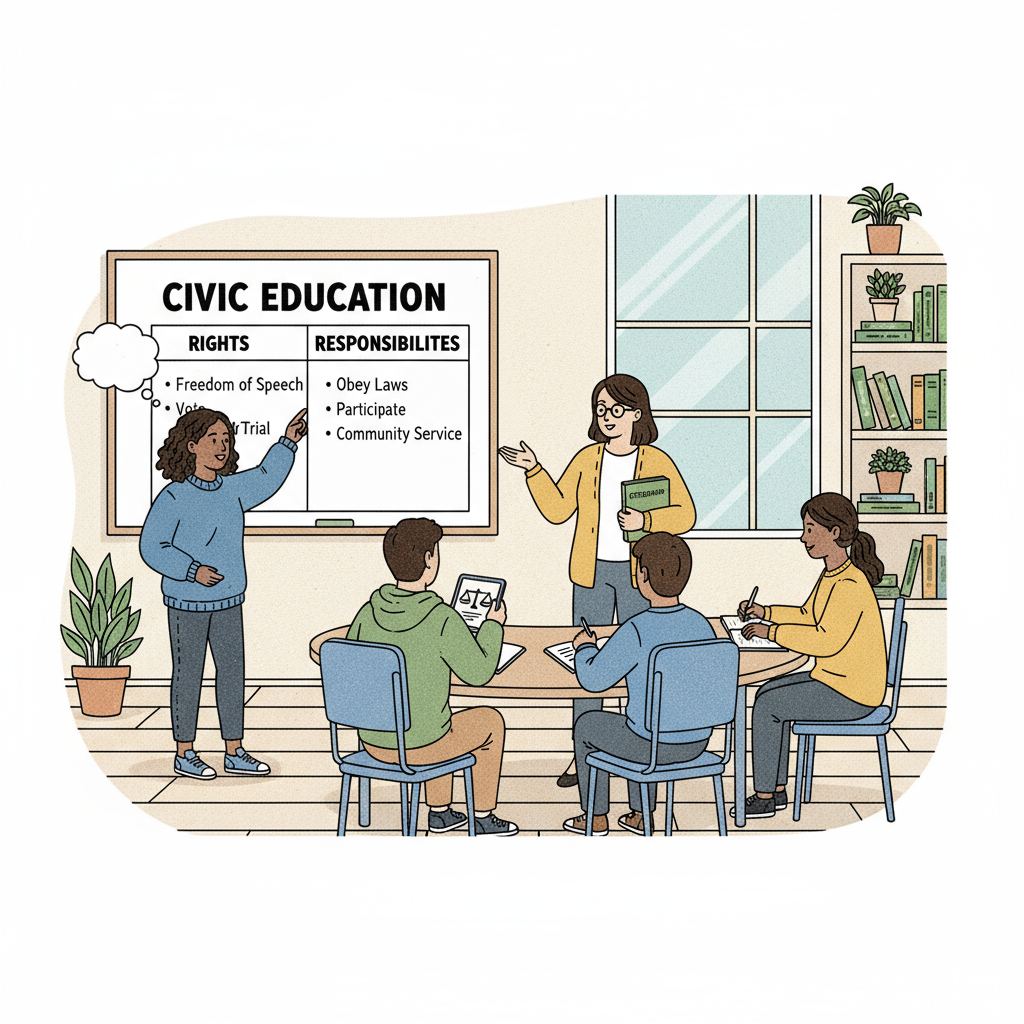
Schools must teach imagination, not memorization. Students should learn creative thinking, digital tools, ethics, and storytelling as core subjects. The future belongs to thinkers, dreamers, and concept builders — not only those who can repeat information.
Challenges and ethical questions
As creativity evolves, new ethical issues arise:
- Who owns AI-generated art?
- How do we protect original creators from plagiarism?
- What happens when machines mimic a famous artist’s style?
These questions will shape future laws and creative rights. The solution is balance — embracing innovation while respecting ownership and originality.
If creativity is infinite, AI is the fuel
Human imagination is a universe without boundaries. AI is the telescope that helps us see farther into it. The pen and microphone didn’t replace storytellers — they made storytelling stronger. In the same way, AI does not reduce creativity — it expands what humans are capable of making.
Conclusion: The artists of the future will not be replaced by machines. They will be those who learn to work with machines — using AI as a brush, a camera, a soundboard, a notebook, a studio. Creativity is not dying. It is evolving. Faster. Deeper. Brighter.
Images included for placement — you may upload your own versions for faster site SEO.