Technology has become an essential part of modern life. From smartphones to smart homes, digital innovations are transforming how people work, communicate, shop, and even relax. What once seemed like science fiction is now a normal part of daily routines. Smart technology continues to shape the way individuals interact with the world around them, making life more efficient, convenient, and connected.
In recent years, technological advancements have accelerated rapidly. Artificial intelligence, cloud computing, automation, and the Internet of Things (IoT) have created a new ecosystem where devices communicate with each other and assist humans in various tasks. These innovations are not only improving productivity but also enhancing the quality of everyday life.
The Rise of Smart Living
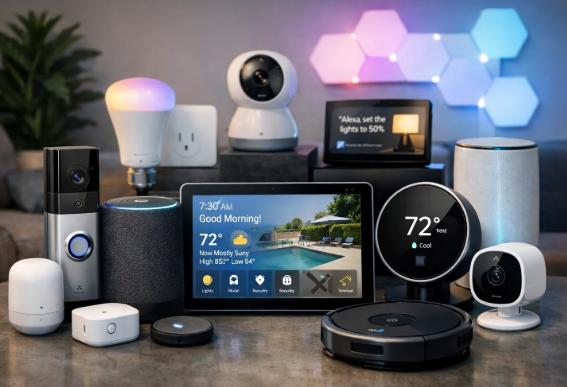
Smart living refers to the integration of technology into daily activities to improve comfort, efficiency, and safety. Devices such as smart speakers, automated lighting systems, and connected security cameras allow homeowners to control their environments with a simple voice command or mobile app.
Smart homes have become increasingly popular because they offer convenience and energy efficiency. For example, smart thermostats can learn a household’s routine and automatically adjust temperatures to save energy. Similarly, automated lighting systems can switch off when rooms are empty, reducing electricity consumption.
Smartphones: The Center of Modern Life
Smartphones have become the central hub for managing many aspects of daily life. From communication and entertainment to banking and health tracking, a single device now performs tasks that once required multiple tools.
Communication and Connectivity
Mobile technology has made global communication instant and affordable. Messaging apps, video calls, and social media platforms allow people to stay connected with friends, family, and colleagues anywhere in the world.
Digital Payments and Banking
Mobile banking and digital wallets have revolutionized financial transactions. People can pay bills, transfer money, and shop online directly from their smartphones. This convenience has reduced the need for physical cash and traditional banking visits.
Entertainment and Media
Streaming services, gaming apps, and social media platforms provide endless entertainment options. Users can watch movies, listen to music, and explore content anytime and anywhere through their mobile devices.
The Internet of Things (IoT)
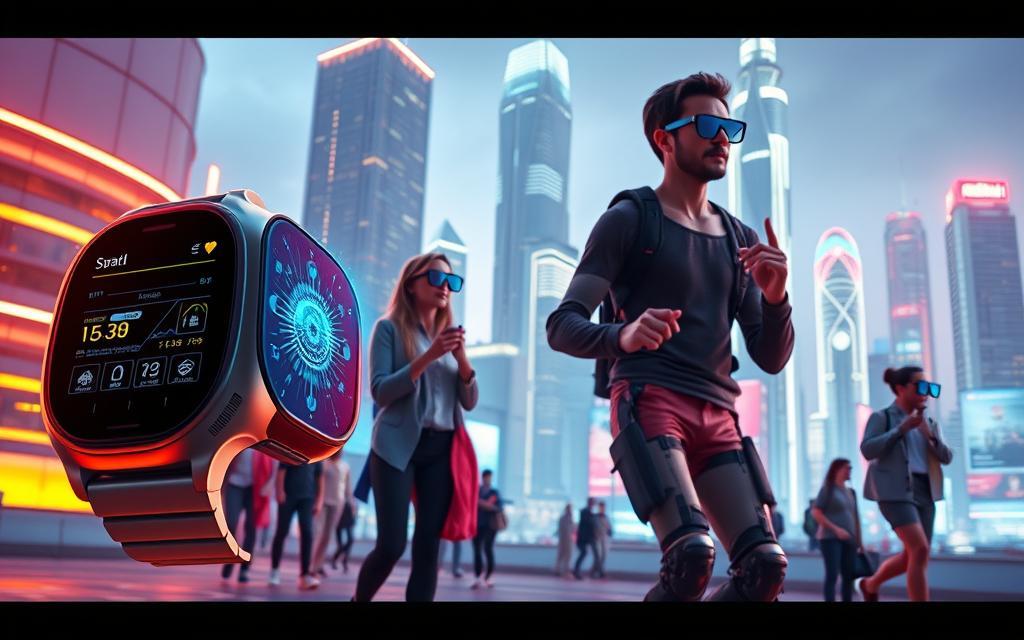
The Internet of Things refers to a network of connected devices that communicate through the internet. These devices collect and share data to automate tasks and provide useful insights. Smart watches track health metrics, smart refrigerators monitor food supplies, and connected cars provide navigation and maintenance alerts.
IoT technology is also transforming industries such as healthcare, transportation, and manufacturing. Hospitals use connected devices to monitor patient health remotely, while factories rely on smart sensors to optimize production processes.
Artificial Intelligence in Daily Life
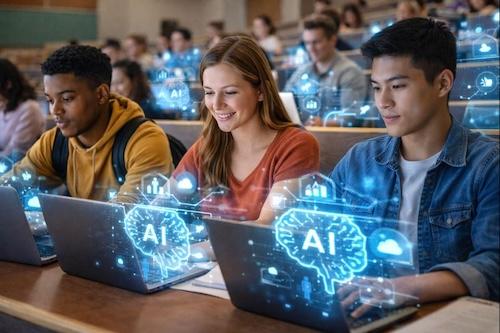
Artificial intelligence is one of the most influential technologies shaping modern society. AI systems analyze data, recognize patterns, and make decisions that help automate complex tasks. Virtual assistants like voice-controlled devices can answer questions, set reminders, and control smart home appliances.
AI is also widely used in recommendation systems. Online platforms suggest movies, products, or music based on user preferences and behavior. This personalization enhances user experience and saves time by presenting relevant options.
Benefits of Smart Technology
Increased Convenience
Smart devices simplify everyday tasks. Voice commands, automation, and mobile applications allow users to perform actions quickly and efficiently. Whether ordering groceries online or controlling home appliances remotely, technology saves time and effort.
Improved Efficiency
Automation reduces the need for manual work and increases productivity. Businesses and individuals can complete tasks faster with digital tools and intelligent systems.
Better Health Monitoring
Wearable technology such as fitness trackers and smartwatches helps individuals monitor their physical activity, heart rate, sleep patterns, and overall health. These devices encourage healthier lifestyles by providing real-time insights.
Challenges of Smart Technology
Despite its advantages, smart technology also presents certain challenges. Privacy and data security are major concerns because connected devices collect large amounts of personal information. If not properly protected, this data could be vulnerable to cyberattacks.
Another challenge is technological dependence. As people rely more on digital devices, they may become less capable of performing tasks without technological assistance. Balancing convenience with independence is important for maintaining healthy technology habits.
Additionally, the rapid pace of innovation can make devices obsolete quickly. Consumers often feel pressured to upgrade to newer versions of products, leading to increased electronic waste.
The Future of Smart Living
The future of smart technology looks incredibly promising. Advancements in artificial intelligence, robotics, and connectivity will continue to create smarter homes, cities, and workplaces. Autonomous vehicles, intelligent healthcare systems, and advanced virtual assistants may soon become common in everyday life.
Smart cities are already being developed around the world. These cities use digital infrastructure to manage traffic, energy consumption, waste management, and public safety more efficiently. Such innovations aim to improve quality of life while reducing environmental impact.
Conclusion
Smart technology has become deeply integrated into modern society. From smartphones and smart homes to artificial intelligence and connected devices, technological innovation continues to reshape everyday life. These advancements bring greater convenience, efficiency, and opportunities for individuals and businesses alike.
While challenges such as privacy concerns and technological dependence must be addressed, the benefits of smart technology are undeniable. As innovation continues, smart solutions will likely play an even greater role in shaping the future of how people live, work, and interact with the world.