Politics plays a vital role in shaping every aspect of modern society. Government decisions influence education, healthcare, business, technology, employment, environmental protection, and international relations. In 2026, political leadership and public policy continue to have a significant impact on economic development and the daily lives of citizens around the world.
As countries face challenges such as climate change, technological innovation, inflation, cybersecurity, and global trade, political institutions are expected to develop effective policies that promote stability, economic growth, and social progress. Citizens also play an essential role by participating in democratic processes, staying informed, and holding leaders accountable.
This article explores how politics affects society, the economy, governance, international cooperation, and the future of democracy in an increasingly interconnected world.
What Is Politics?
Politics is the process through which governments and public institutions make decisions that affect society. It involves creating laws, managing public resources, maintaining order, protecting citizens` rights, and representing national interests both domestically and internationally.
Political systems differ from country to country, but their primary objective remains the same: to establish rules and policies that support the well-being and development of society.
Main Functions of Government
- Creating and enforcing laws.
- Protecting national security.
- Managing the economy.
- Providing education and healthcare.
- Building public infrastructure.
- Protecting individual rights.
- Maintaining international relations.
1. Politics and Economic Growth
Government policies directly influence economic performance. Decisions regarding taxation, public spending, trade, investment, and employment affect businesses, consumers, and investors alike.
Stable political environments generally encourage domestic and foreign investment, while uncertainty may reduce economic confidence and slow growth.
Political Factors That Influence the Economy
- Tax policies.
- Interest rate decisions.
- Infrastructure investment.
- Employment regulations.
- Trade agreements.
- Support for innovation.
- Small business development.
Strong economic policies help create jobs, encourage entrepreneurship, and improve living standards.
2. The Importance of Democracy
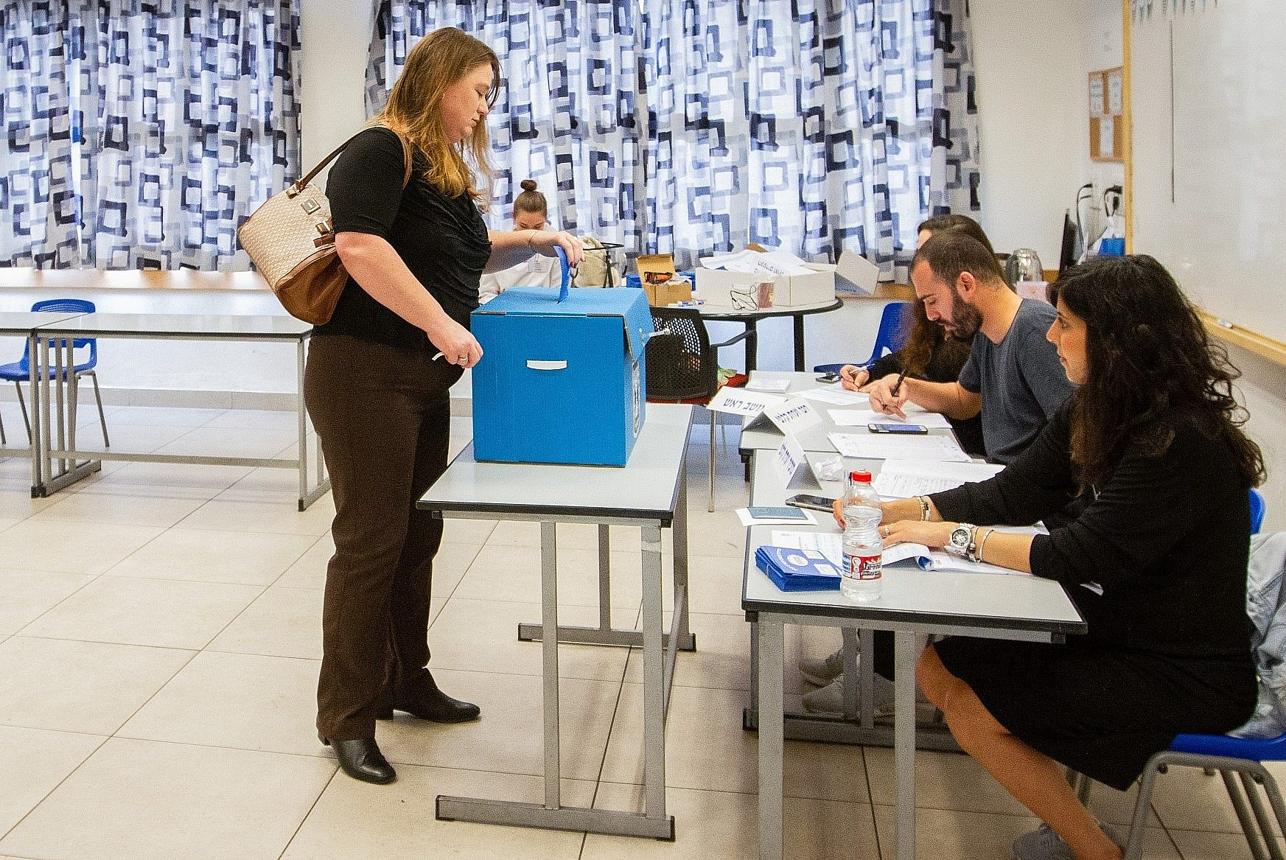
Democracy gives citizens the opportunity to participate in choosing their leaders through free and fair elections. It also promotes transparency, accountability, and public participation in decision-making.
A healthy democracy depends on informed citizens, independent institutions, freedom of expression, and respect for the rule of law.
Benefits of Democratic Governance
- Citizen participation.
- Protection of human rights.
- Government accountability.
- Peaceful transfer of power.
- Independent judiciary.
- Freedom of the press.
- Greater public transparency.
3. Politics and Technology
Technology has become closely connected with politics. Governments are introducing policies to regulate artificial intelligence, cybersecurity, digital privacy, online misinformation, and data protection while encouraging innovation and economic growth.
Major Technology Policy Areas
- Artificial Intelligence regulation.
- Cybersecurity.
- Digital privacy laws.
- Data protection.
- Online safety.
- Digital infrastructure.
- Innovation funding.
Balancing technological innovation with public safety has become one of the most important political challenges of the modern era.
4. Environmental Policies and Climate Action
Governments worldwide are increasingly focusing on environmental sustainability. Climate policies aim to reduce pollution, encourage renewable energy, conserve natural resources, and prepare communities for climate-related risks.
Common Environmental Priorities
- Renewable energy investment.
- Carbon emission reduction.
- Forest conservation.
- Clean transportation.
- Waste management improvements.
- Water resource protection.
- Sustainable agriculture.
5. International Relations and Diplomacy
Countries cooperate through diplomacy to address shared challenges such as trade, security, public health, migration, and environmental protection. Strong diplomatic relationships can promote peace, economic partnerships, and cultural exchange.
Objectives of International Cooperation
- Maintain global peace.
- Strengthen trade partnerships.
- Promote scientific cooperation.
- Address climate challenges.
- Improve public health coordination.
- Enhance regional security.
- Support humanitarian assistance.
6. The Role of Citizens in a Democracy
Citizens are at the heart of every democratic society. Their participation extends beyond voting in elections and includes staying informed, engaging in respectful discussions, volunteering in communities, and contributing to public life. Active civic participation helps governments understand public needs and strengthens democratic institutions.
Ways Citizens Can Participate
- Vote in elections.
- Stay informed through reliable news sources.
- Participate in community meetings.
- Respect different opinions.
- Volunteer for social causes.
- Follow national laws and regulations.
- Engage in constructive public dialogue.
7. Digital Government and Public Services
Governments around the world are adopting digital technologies to improve public services. Online platforms now allow citizens to access government information, submit applications, pay taxes, and complete administrative tasks more efficiently.
Benefits of Digital Government
- Faster public services.
- Greater transparency.
- Reduced paperwork.
- Improved accessibility.
- Better communication with citizens.
- More efficient administration.
- Enhanced data management.
Digital transformation can improve efficiency while making government services more convenient for both citizens and businesses.
8. Challenges Facing Modern Politics
Political leaders face complex challenges that require long-term planning and cooperation. Economic uncertainty, cybersecurity threats, climate change, demographic shifts, and technological advancements continue to influence policy decisions worldwide.
Major Political Challenges
- Economic inflation.
- Cybersecurity threats.
- Climate change.
- Healthcare system improvements.
- Artificial Intelligence governance.
- Global migration.
- Energy security.
- Infrastructure development.
9. Youth Participation in Politics
Young people are becoming increasingly involved in political discussions and public policy. Through education, civic engagement, and responsible use of digital platforms, younger generations are contributing new ideas and perspectives on issues such as education, employment, technology, sustainability, and social development.
How Young People Can Contribute
- Participate in civic education programs.
- Vote when eligible.
- Support community initiatives.
- Promote respectful dialogue.
- Develop leadership skills.
- Stay informed about public policies.
- Engage in constructive public debate.
10. The Future of Politics
The future of politics will likely be influenced by technological innovation, global cooperation, environmental sustainability, and increased citizen participation. Governments will continue adapting policies to address emerging challenges while balancing economic growth, public welfare, and national security.
Emerging Political Trends
- Greater digital participation.
- AI-assisted public services.
- Smarter government infrastructure.
- Increased international collaboration.
- Expanded climate initiatives.
- Improved cybersecurity policies.
- Data-driven policymaking.
- Greater focus on sustainable development.
Why Political Awareness Matters
Understanding politics helps individuals make informed decisions and participate responsibly in society. Political awareness enables citizens to better understand how public policies influence education, healthcare, employment, infrastructure, taxation, and other aspects of everyday life.
- Encourages informed decision-making.
- Supports responsible citizenship.
- Promotes accountability.
- Strengthens democratic values.
- Improves public participation.
- Builds trust through transparency.
- Encourages constructive civic engagement.
Conclusion
Politics plays a fundamental role in shaping societies, economies, and international relationships. Effective governance, responsible leadership, and active citizen participation contribute to stable institutions, sustainable development, and improved quality of life. While modern political systems face challenges ranging from technological change to environmental concerns, cooperation and informed public engagement remain essential for addressing these issues.
As the world continues to evolve, politics will increasingly focus on innovation, digital transformation, sustainability, and inclusive decision-making. Citizens who stay informed, participate responsibly, and engage respectfully in civic life help strengthen democratic institutions and contribute to building more resilient and prosperous communities.