Introduction
When people talk about health and fitness, images of gym workouts, running shoes, and strict diets often come to mind. But true wellness goes far beyond sweating in the gym or counting calories — it’s a holistic blend of physical health, mental balance, nutritious diet, quality sleep, and sustainable habits. In this post, we explore why holistic health matters more than ever, how to approach wellness as a long-term lifestyle, and what practical changes can make a big difference for your body and mind.
What does “holistic health” really mean?
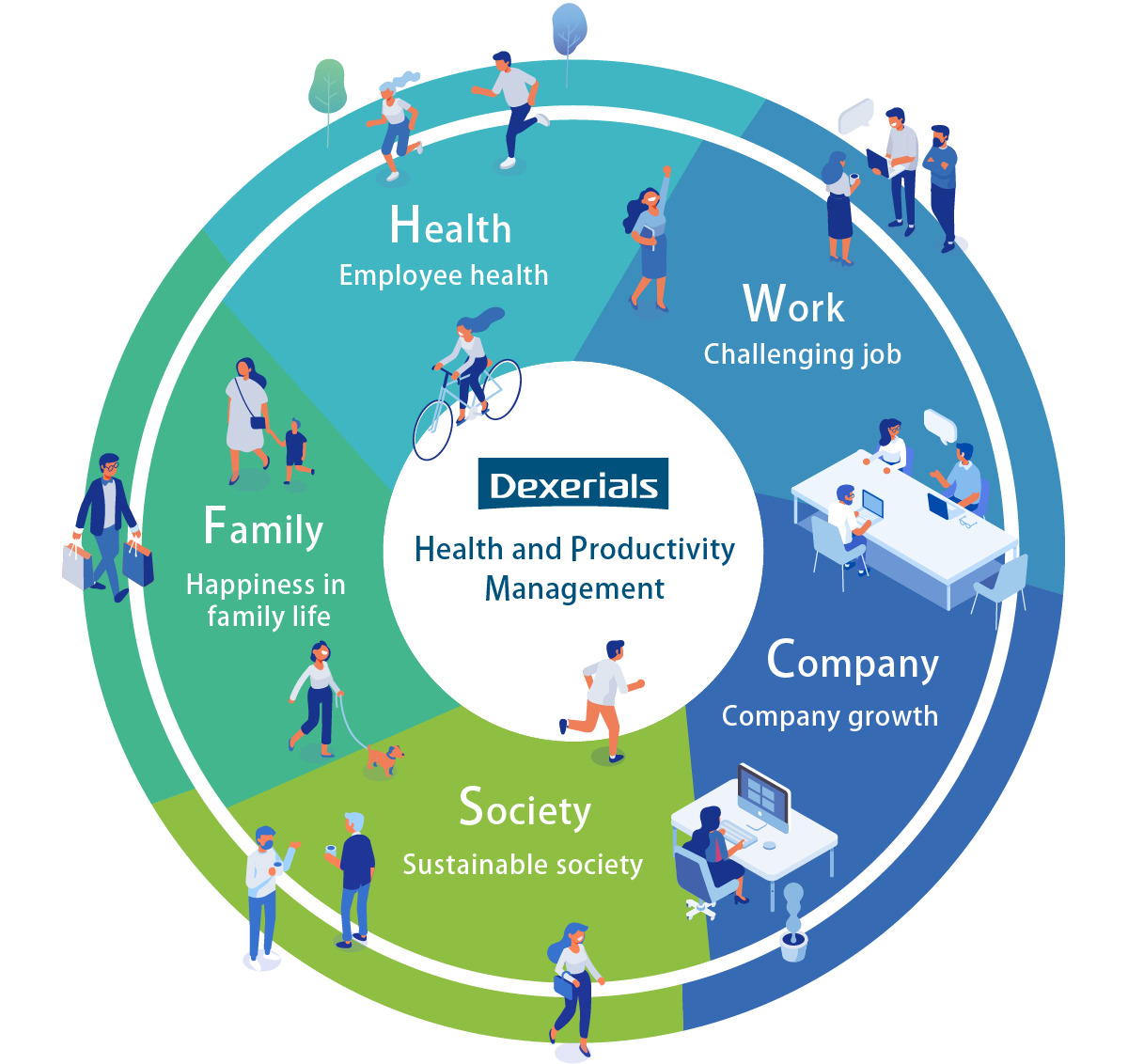
Holistic health is an approach that considers the whole person — body, mind, and environment — rather than isolating individual aspects like weight, strength, or diet. It recognizes that mental well-being, sleep quality, stress levels, social connections, and daily habits all influence overall health. Treating health holistically means nurturing every part of yourself, not just muscles or appearance.

Core elements of a holistic lifestyle
1. Balanced Nutrition over Crash Diets
Instead of quick-fix diets, holistic nutrition focuses on balanced meals — vegetables, whole grains, moderate proteins, healthy fats, and adequate hydration. Eating should be sustainable and enjoyable, not restrictive and stressful. Over time, balanced nutrition supports energy levels, immune health, and mental clarity better than extreme dieting ever could.
2. Regular Movement — Not Only Gym
Fitness is not limited to the gym. Walking, stretching, yoga, dancing, or playing sports with friends — all count. The goal is consistent movement that feels good and supports your lifestyle. This reduces the pressure to follow rigid exercise routines and instead makes activity a natural part of your day.

3. Quality Sleep and Recovery
Sleep is often undervalued in modern fitness culture. Without good sleep, the body cannot recover, hormones get unbalanced, stress accumulates, and performance drops. Prioritizing 7–9 hours of restful sleep, maintaining a sleep-friendly environment, and avoiding late-night screen exposure can dramatically improve health outcomes.
4. Mental Well-being and Stress Management
Mental health impacts physical health more than we often realize. Chronic stress, anxiety, or emotional burnout can lead to weight gain, fatigue, insomnia, and weakened immunity. Practices like mindfulness, meditation, journaling, social connection, or simply disconnecting from screens help maintain mental equilibrium and improve resilience.
Designing a sustainable wellness routine
Here’s how to build a holistic wellness routine that fits real life — not extremes.
- Start small and stay consistent: Focus on small sustainable habits — e.g. a 15-minute daily walk, balanced breakfast, 7-hour sleep cycle, or 5 minutes of meditation — rather than radical overnight changes. Consistency matters more than intensity.
- Listen to your body: Hunger, energy levels, mood, sleep quality — they give subtle signals. Pay attention and adapt routines accordingly. Recovery is as important as action.
- Mix up movement: Alternate between cardio, strength, flexibility, and relaxed movement to avoid burnout and promote holistic fitness.
- Disconnect to reconnect: Periodically unplug — spend time in nature, talk with friends/family, or enjoy hobbies without screens. Mental rest supports physical recovery.
- Set realistic goals: Instead of unrealistic body transformations, aim for energy, mood improvement, better sleep, and increased longevity.

Benefits of a holistic lifestyle
Adopting a balanced, sustainable lifestyle can bring profound benefits:
- Better energy throughout the day
- Improved mental clarity and mood stability
- Enhanced immune function and overall health
- Lower risk of chronic disease over time
- Improved sleep, focus, and long-term body resilience
Common obstacles — and how to overcome them
Life in the modern world is busy. Work, family, social demands — all compete for time and energy. It’s easy to abandon good habits. Here are some common challenges and realistic ways to handle them:
Obstacle: Lack of time
Solution: Incorporate movement and healthy habits into existing routines — for instance, park farther from the office, take stairs instead of elevator, replace one snack with fruit, or do short breathing exercises during breaks.
Obstacle: Mental fatigue or stress
Solution: Introduce short mindfulness breaks. Even 5-10 minutes of deep breathing, stretching, or walking outside can reset your mind. Prioritize sleep and avoid overworking yourself without rest.
Obstacle: Inconsistent motivation
Solution: Focus on process, not results. Celebrate small wins — better sleep, clearer mood, easier breathing — rather than body aesthetics or unrealistic goals.
Your journey starts today
Wellness is not a destination — it’s a lifelong journey. The best time to start is now. Choose one small but meaningful habit this week: maybe a 10-minute walk after work, a healthy breakfast tomorrow morning, or a screen-free wind-down before bed. Over time, these small changes accumulate and transform your life.
Conclusion: Health is not just about lifting weights or dieting — it’s about building a life that supports energy, resilience, mental clarity, and balance. Holistic wellness isn’t a quick fix; it’s a commitment to yourself. Treat your body and mind as a whole, nurture them, and enjoy the long-term reward of true well-being.
Images included from stock — you may replace them with your own hosted files for better load speed and SEO.