In 2026, global politics is experiencing rapid transformation influenced by technological advancements, economic shifts, and changing public expectations. Governments around the world are adapting to new challenges while striving to maintain stability, security, and growth. From international relations to domestic policies, politics continues to shape the future of societies worldwide.
The Changing Landscape of Global Politics
The political landscape has evolved significantly in recent years. Traditional power structures are being challenged by emerging economies, digital activism, and global cooperation initiatives. Nations are increasingly interconnected, making international relations more complex than ever before.
Issues such as climate change, cybersecurity, and global trade require collective efforts, pushing countries to collaborate despite political differences.
Key Political Trends in 2026
1. Digital Governance
Governments are using digital tools to improve transparency, efficiency, and public services. E-governance systems allow citizens to access services online, reducing bureaucracy and increasing accountability.
2. Rise of Youth Participation
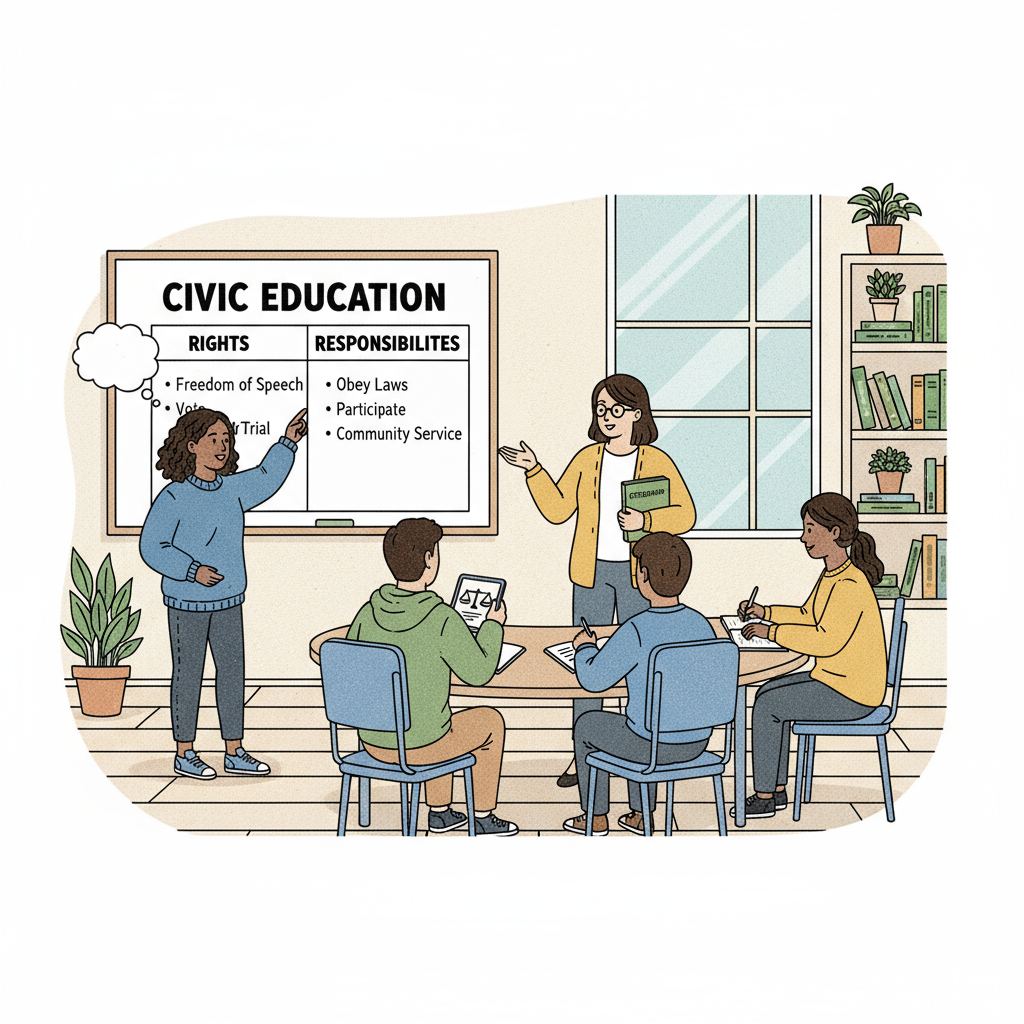
Young people are becoming more active in politics, using social media platforms to voice their opinions and influence decision-making processes.
3. Focus on Sustainability
Environmental policies are at the forefront of political agendas. Governments are investing in renewable energy and sustainable development to combat climate change.
4. Geopolitical Tensions
While cooperation is increasing, geopolitical tensions still exist. Conflicts over resources, trade, and territorial disputes continue to challenge global stability.
Major Challenges in Modern Politics
1. Misinformation and Fake News
The spread of misinformation through digital platforms has become a major concern. It can influence public opinion and disrupt democratic processes.
2. Economic Inequality
The gap between rich and poor continues to widen in many countries, leading to social unrest and political instability.
3. Climate Change
Addressing climate change requires global cooperation, but political differences often slow down progress.
4. Cybersecurity Threats
As governments rely more on digital systems, the risk of cyberattacks increases, posing a threat to national security.
The Role of Technology in Politics
Technology is playing a crucial role in shaping modern politics. Social media platforms have become powerful tools for communication, campaigning, and public engagement. Data analytics helps governments understand public needs and make informed decisions.
However, technology also brings challenges such as privacy concerns and the misuse of data. Balancing innovation with ethical considerations is essential for sustainable political development.
The Importance of Good Governance
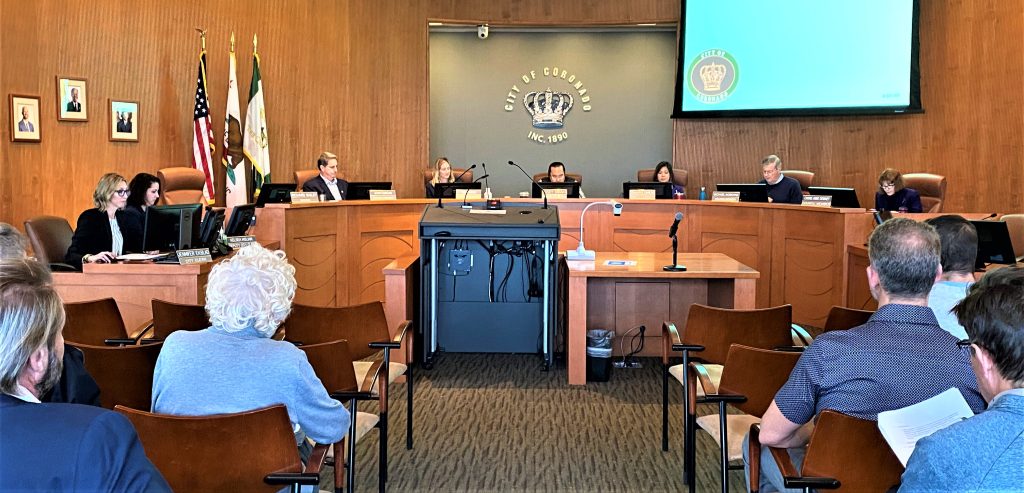
Good governance is the foundation of a stable and prosperous society. It involves transparency, accountability, and effective decision-making. Governments must ensure that policies benefit all citizens and promote social and economic development.
Public trust is a key factor in successful governance. Leaders must communicate openly and act in the best interests of their people.
The Future of Global Politics
The future of politics will be shaped by innovation, collaboration, and adaptability. Countries that embrace change and invest in sustainable development will lead the way.
International organizations will continue to play a vital role in addressing global challenges. Cooperation between nations will be essential to ensure peace, security, and prosperity.
Conclusion
Global politics in 2026 is complex and dynamic, influenced by various factors ranging from technology to environmental concerns. While challenges exist, there are also opportunities for growth and progress.
By focusing on good governance, embracing innovation, and fostering international cooperation, the world can move toward a more stable and sustainable future.