Introduction
Politics is no longer confined to parliaments, election rallies, or diplomatic halls — it now unfolds across digital screens, algorithms, satellite networks, and social platforms that influence public opinion in seconds. We live in a world where information travels faster than ever before, alliances shift rapidly, and global events in one region can trigger political and economic ripples worldwide. This post explores how political power is evolving in the digital century, how technology is reshaping leadership, and what citizens must understand to navigate this new landscape.
The New Era of Political Influence
Historically, politics was shaped by physical gatherings, newspapers, and diplomacy conducted behind closed doors. Today, transparency and visibility have become central. A single viral clip can elevate leaders, expose corruption, spark protest movements, or inspire legislative reform. This rise of digital democratization has empowered ordinary citizens but also created new risks — misinformation, polarization, cyber warfare, and foreign influence.

Technology as a Political Force
1. Social Media — The Modern Political Battlefield
Campaigns are no longer won through banners and speeches alone. Leaders and parties now communicate through live videos, tweets, short reels, and political podcasts. The public receives information instantly — but this speed means facts and falsehoods also spread equally fast. Understanding digital media literacy is now as essential as understanding policy.
2. Big Data & AI in Governance
Governments use AI to predict economic trends, manage healthcare, secure borders, and design welfare policies. However, this increasing reliance brings ethical concerns: data privacy, algorithm bias, and surveillance. Citizens must stay informed, because the future of democracy may depend on how well technology is regulated and ethically implemented.

Global Politics & Shifting Power Dynamics
The balance of global power is shifting. Emerging economies are gaining influence, digital alliances are rising, and new trade corridors are forming. Diplomatic relationships are now multipolar — no single nation dominates as it once did. Instead, power is distributed across regions through technology, trade, military capability, and soft influence.
Geopolitical Trends to Watch
- The rise of Asian economic leadership
- Digital currency competition among nations
- Cyber-warfare as a new weapon of power
- Climate diplomacy reshaping international policy
- Shifting defense alliances and border politics

The Role of Youth in Modern Politics
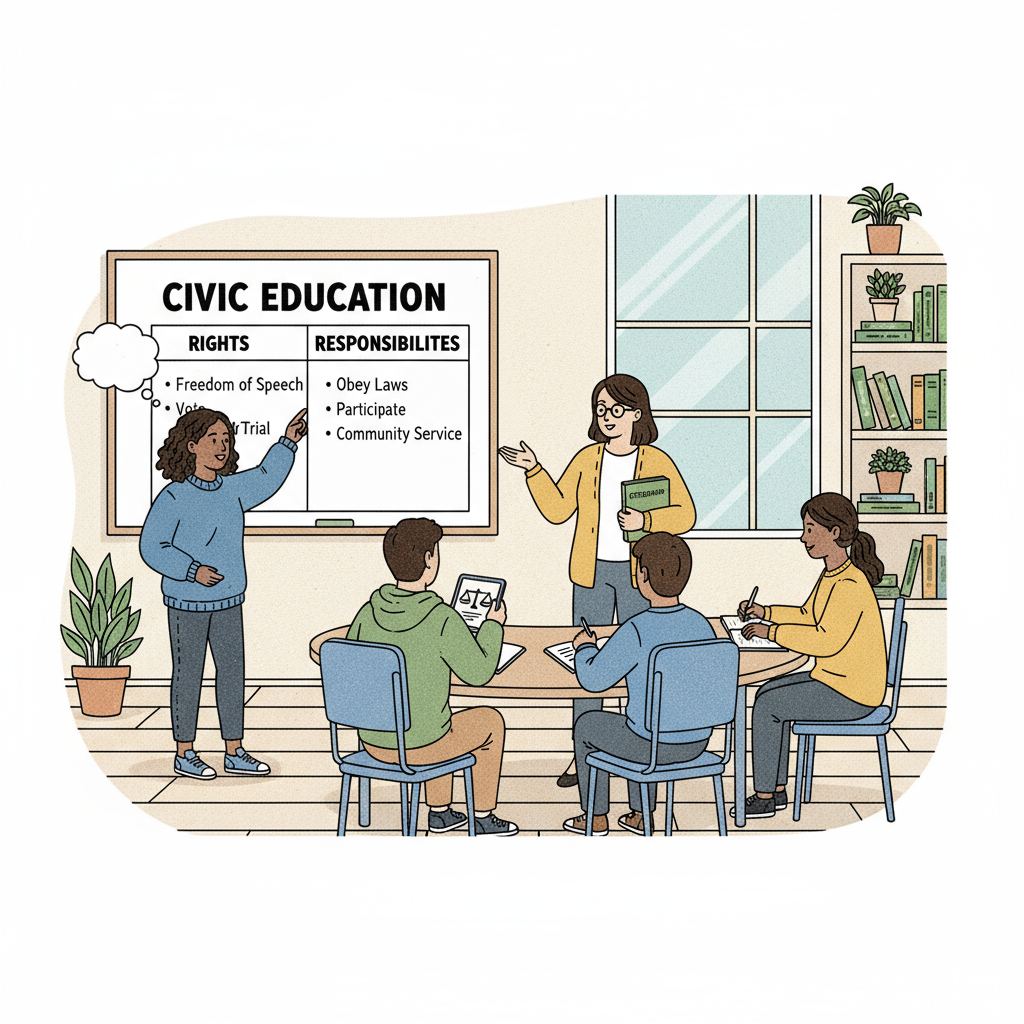
Young people have become political catalysts. Their voices dominate digital spaces, influence trends, and pressure policymakers toward issues like climate change, education reform, digital freedom, job creation, and equality. Unlike previous generations, today’s youth are globally connected and capable of shaping political discourse beyond borders.
Why youth participation matters:
- Fresh ideas for old problems
- More adaptable to technology-driven politics
- Higher awareness of global interconnectedness
- Capacity to challenge outdated policies

Challenges in the Political Future
While global politics is evolving in exciting ways, it also carries serious challenges requiring careful navigation:
1. Information Wars
Misinformation and propaganda campaigns can divide societies and manipulate voters. Responsible journalism, digital literacy, and ethical media regulation will be key to protecting democracy.
2. Democratic Erosion
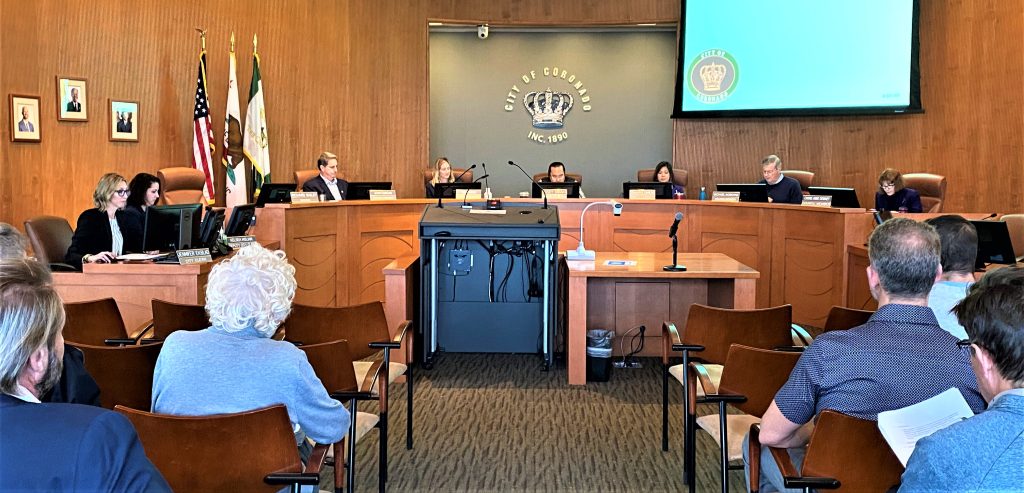
Some nations face rising authoritarianism, weakened institutions, and reduced press freedom. Citizens must understand their rights and participate actively in governance to safeguard democracy.
3. Climate Politics
Environmental policy is now a global negotiation — water, energy, agriculture, and disaster management require united decision-making, not isolation.
Conclusion
Politics in the digital age is fast, interconnected, and unpredictable — but also full of potential. With informed citizens, responsible leadership, ethical technology, and active youth participation, the next era of global governance could be more transparent, more cooperative, and more inclusive than ever before.
The world is watching — and every individual now has the power to influence change.