Politics continues to play a critical role in shaping societies, economies, and international relations across the world. In 2026, governments are navigating complex challenges that include economic development, technological innovation, climate change, national security, healthcare reform, and geopolitical competition. As countries adapt to rapid changes in the global landscape, political decisions have a greater impact than ever before on citizens and businesses alike.
Modern politics is increasingly influenced by digital communication, public engagement, globalization, and emerging technologies. Political leaders and institutions must respond to evolving public expectations while maintaining stability, transparency, and economic growth. Understanding these trends is essential for anyone interested in how governments shape the future.
The Changing Nature of Politics
The political environment of 2026 differs significantly from previous decades. Citizens have access to more information through digital platforms, enabling greater participation in political discussions and decision-making processes.
Governments are also facing increased pressure to respond quickly to public concerns. Issues such as inflation, employment, education, healthcare, and environmental sustainability have become central topics in political debates worldwide.
Digital Transformation in Politics
Technology has transformed political communication. Social media platforms, online campaigns, and digital engagement tools allow politicians to connect directly with voters. Citizens can access government information, participate in discussions, and voice their opinions more easily than ever before.
This digital transformation has increased political participation while also creating challenges related to misinformation, cybersecurity, and online privacy.
Economic Policy Remains a Top Priority
Economic issues continue to dominate political agendas across the globe. Governments are focused on promoting growth, creating jobs, controlling inflation, and ensuring financial stability.
Policymakers are working to balance economic development with social welfare programs, infrastructure investments, and technological advancement.
Key Economic Priorities
- Supporting business innovation and entrepreneurship.
- Reducing unemployment rates.
- Managing inflation and cost-of-living concerns.
- Investing in infrastructure projects.
- Strengthening international trade relationships.
- Encouraging sustainable economic growth.
Successful economic policies can improve living standards and contribute to long-term national prosperity.
Climate Policy and Environmental Governance
Climate change remains one of the most important political issues of the 21st century. Governments are increasingly implementing policies designed to reduce emissions, support renewable energy, and protect natural resources.
Environmental sustainability has become a major factor in economic planning, infrastructure development, and international cooperation.
Political Focus Areas in Environmental Policy
- Expanding renewable energy initiatives.
- Reducing carbon emissions.
- Protecting biodiversity and ecosystems.
- Investing in sustainable transportation.
- Promoting green technologies.
- Improving climate resilience strategies.
International collaboration remains essential for addressing environmental challenges that affect multiple regions and countries.
The Growing Influence of Technology on Governance
Governments are increasingly incorporating technology into public services and administrative processes. Digital governance initiatives aim to improve efficiency, transparency, and accessibility for citizens.
From online tax systems and digital identity programs to smart city initiatives and AI-assisted public services, technology is transforming how governments operate.
Benefits of Digital Governance
- Improved access to government services.
- Greater transparency and accountability.
- Reduced administrative costs.
- Faster service delivery.
- Enhanced citizen engagement.
- Better data-driven decision-making.
These advancements help governments serve citizens more effectively while improving operational efficiency.
International Relations and Global Cooperation
International relations continue to influence global stability, trade, security, and economic development. In 2026, countries are strengthening diplomatic partnerships while addressing shared challenges such as climate change, cybersecurity, and public health.
Diplomatic cooperation remains essential for resolving conflicts, promoting economic growth, and maintaining international peace.
Major Areas of Global Cooperation
- Trade agreements and economic partnerships.
- Climate and environmental initiatives.
- Public health preparedness.
- Cybersecurity collaboration.
- Scientific and technological research.
- Humanitarian assistance programs.
Strong international relationships contribute to stability and create opportunities for mutual development.
National Security in a Digital Era
National security has expanded beyond traditional military concerns to include cybersecurity, information security, and critical infrastructure protection.
Governments must address emerging threats while ensuring that technological advancements are used responsibly and securely.
Emerging Security Challenges
- Cyberattacks on critical infrastructure.
- Data privacy concerns.
- Digital misinformation campaigns.
- Protection of national technological assets.
- Cross-border security threats.
Addressing these challenges requires collaboration between governments, businesses, and technology providers.
The Importance of Public Participation
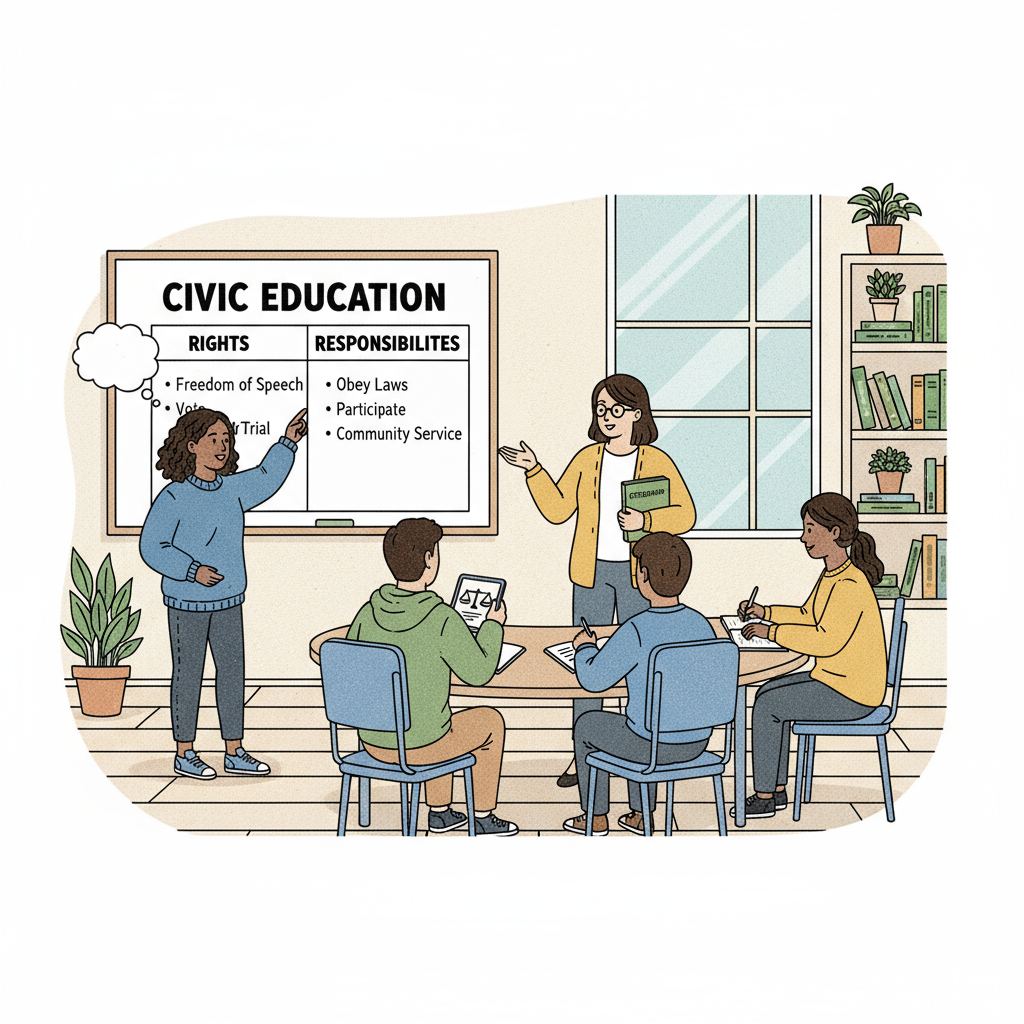
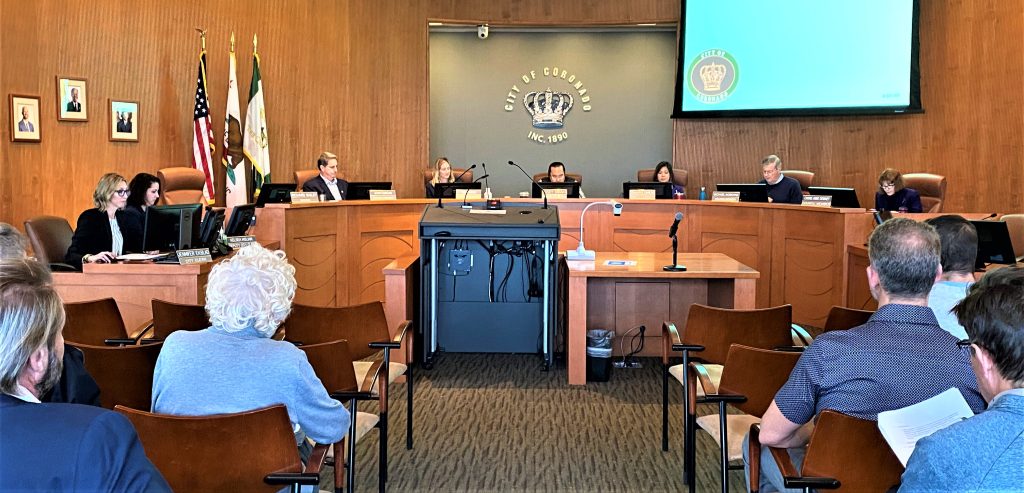
Democratic systems depend on active citizen participation. Voting, public discussions, community engagement, and civic education contribute to stronger and more representative political institutions.
Modern technology provides new opportunities for citizens to engage with policymakers, access information, and participate in public decision-making processes.
Ways Citizens Participate in Politics
- Voting in elections.
- Attending public meetings and forums.
- Participating in community initiatives.
- Engaging in policy discussions.
- Supporting civic organizations.
- Advocating for social and economic issues.
Active participation helps ensure that governments remain responsive to public needs and priorities.
Healthcare and Social Policy
Healthcare continues to be a central political issue worldwide. Governments are working to improve healthcare accessibility, affordability, and quality while addressing public health challenges.
Social policies also focus on education, housing, employment opportunities, and support programs designed to improve quality of life for citizens.
Effective healthcare and social policies contribute to stronger communities and greater economic productivity.
Education as a Political Priority
Education remains one of the most important investments governments can make. Policymakers recognize that a well-educated population supports economic growth, innovation, and social development.
Many countries are investing in digital learning technologies, workforce development programs, and educational reforms designed to prepare students for future careers.
Key Education Policy Goals
- Improving access to quality education.
- Expanding digital learning opportunities.
- Supporting teacher development.
- Reducing educational inequality.
- Aligning education with workforce needs.
These initiatives help create opportunities for future generations while strengthening national competitiveness.
Challenges Facing Modern Political Systems
Despite significant progress, governments continue to face numerous challenges. Economic uncertainty, social polarization, technological disruption, and global crises require effective leadership and long-term planning.
Building public trust remains one of the most important responsibilities of political institutions. Transparency, accountability, and effective governance are essential for maintaining confidence in democratic systems.
Major Political Challenges
- Managing economic uncertainty.
- Addressing social divisions.
- Responding to technological disruption.
- Strengthening institutional trust.
- Balancing national and global interests.
- Ensuring sustainable development.
Successful political leadership requires adaptability, collaboration, and a commitment to serving the public interest.
The Future of Politics
The future of politics will likely be shaped by technology, demographic changes, environmental concerns, and evolving public expectations. Governments that embrace innovation while protecting democratic values will be better positioned to address future challenges.
Artificial intelligence, digital governance, and increased citizen engagement are expected to influence how policies are developed and implemented. At the same time, international cooperation will remain essential for addressing global issues that transcend national borders.
Conclusion
Politics in 2026 is defined by rapid change, technological advancement, and growing interconnectedness. Governments around the world are working to address economic, environmental, social, and security challenges while responding to the evolving needs of their citizens.
From digital governance and climate policy to international cooperation and public participation, political decisions continue to shape the future of societies worldwide. Understanding these trends provides valuable insight into how nations are adapting to a complex and dynamic global landscape.
As political systems evolve, effective leadership, informed citizens, and collaborative policymaking will remain essential for building stable, prosperous, and sustainable societies for future generations.