Politics continues to shape every aspect of modern society, influencing economic development, international relations, technological innovation, environmental policies, and the daily lives of billions of people. In 2026, governments around the world are facing increasingly complex challenges, including economic recovery, artificial intelligence regulation, climate change, cybersecurity, migration, and geopolitical competition.
At the same time, citizens have become more connected through digital platforms, giving them greater access to information and more opportunities to participate in democratic processes. Social media, online campaigns, and digital communication have transformed how political leaders engage with voters and how public opinion is formed.
This article explores the major political trends shaping governments and international affairs in 2026 while highlighting the opportunities and challenges facing modern democracies.
Why Politics Matters
Political decisions affect education, healthcare, taxation, employment, infrastructure, national security, and environmental protection. Effective governance helps create stable economies, protect individual rights, and improve the quality of life for citizens.
The Role of Government
- Maintaining law and order.
- Providing healthcare and education.
- Developing infrastructure.
- Managing the national economy.
- Protecting national security.
- Representing citizens internationally.
Strong institutions and transparent governance contribute to long-term political stability and economic growth.
Trend 1: Artificial Intelligence in Government
Artificial Intelligence (AI) is increasingly being used by governments to improve public services, analyze data, detect fraud, manage transportation systems, and support administrative decision-making. AI can process large amounts of information quickly, helping public institutions become more efficient.
Applications of AI in Politics
- Digital public services.
- Traffic and infrastructure management.
- Fraud detection.
- Data analysis for policy planning.
- Emergency response coordination.
- Public administration automation.
Governments must also ensure that AI systems are transparent, accountable, and used responsibly to protect citizens` rights and privacy.
Trend 2: Digital Democracy
Technology has expanded opportunities for public participation in democratic processes. Citizens can now access government information online, communicate with elected representatives, participate in digital consultations, and engage in political discussions through online platforms.
Benefits of Digital Democracy
- Greater citizen participation.
- Improved government transparency.
- Faster communication.
- Better public access to information.
- More efficient public services.
However, digital participation also requires strong cybersecurity, accurate information, and protections against online misinformation.
Trend 3: Climate Policy and Environmental Governance
Climate change remains one of the most significant political issues worldwide. Governments continue developing policies that encourage renewable energy, reduce greenhouse gas emissions, protect biodiversity, and promote sustainable economic development.
Policy Priorities
- Renewable energy investment.
- Carbon emission reduction.
- Environmental conservation.
- Clean transportation.
- Sustainable urban development.
- International climate cooperation.
Balancing environmental protection with economic growth remains one of the key challenges for policymakers.
Trend 4: International Cooperation
Many global challenges—including public health, trade, climate change, cybersecurity, and humanitarian crises—require countries to work together. Diplomatic cooperation helps nations resolve disputes peacefully and promote shared prosperity.
Areas of Cooperation
- International trade.
- Public health initiatives.
- Scientific research.
- Disaster response.
- Counterterrorism.
- Climate action.
Strong diplomatic relationships contribute to regional stability and support long-term economic development.
Trend 5: Economic Policy and Growth
Governments continue to focus on policies that encourage economic growth, create employment opportunities, support innovation, and maintain financial stability. Investments in education, infrastructure, digital transformation, and entrepreneurship play a central role in modern economic strategies.
Economic Priorities
- Job creation.
- Support for small businesses.
- Digital economy development.
- Infrastructure investment.
- Innovation and research.
- Fiscal responsibility.
Successful economic policies aim to improve living standards while ensuring sustainable public finances.
Conclusion (Part 1)
Politics in 2026 is increasingly shaped by technology, international cooperation, environmental challenges, and economic transformation. Governments are working to modernize public services, strengthen democratic institutions, and respond to rapidly changing global conditions.
Responsible leadership, transparent governance, and informed citizen participation remain essential for building resilient societies.
In Part 2, we will explore cybersecurity, election integrity, media influence, youth participation, future political challenges, and the evolving role of global governance.
Trend 6: Cybersecurity and National Security
As governments increasingly rely on digital infrastructure, cybersecurity has become one of the most important priorities in public administration. Government agencies manage sensitive information related to citizens, public services, healthcare, transportation, and national security, making them potential targets for cyberattacks.
Modern cybersecurity strategies focus on protecting digital systems, improving incident response capabilities, and strengthening cooperation between public institutions and private technology organizations.
Key Cybersecurity Priorities
- Protecting government networks.
- Securing citizen data.
- Preventing cybercrime.
- Improving emergency response systems.
- Strengthening digital infrastructure.
- Promoting cybersecurity education and awareness.
Trend 7: Election Integrity and Public Trust
Free and fair elections are a cornerstone of democratic societies. Maintaining public confidence in electoral processes requires transparent procedures, secure voting systems, and independent oversight.
Ways to Strengthen Election Integrity
- Transparent election administration.
- Independent election monitoring.
- Secure voter registration systems.
- Clear communication with the public.
- Strong protections against cyber threats.
- Accessible voting processes.
Governments and election authorities continue to improve systems that help ensure elections remain secure, transparent, and trusted by citizens.
Trend 8: Media, Information, and Public Opinion
Traditional media, digital news platforms, and social media all influence how citizens receive information about political issues. Access to diverse and reliable information helps people make informed decisions and participate meaningfully in public life.
Challenges in the Information Age
- Rapid spread of information.
- Verification of news sources.
- Digital literacy.
- Responsible use of social media.
- Protection of freedom of expression.
- Combating misinformation through education and fact-checking.
Developing strong media literacy skills enables citizens to evaluate information critically and engage responsibly in public discussions.
Trend 9: Youth Participation in Politics
Young people are becoming increasingly active in civic engagement, volunteering, community initiatives, and public policy discussions. Digital communication platforms allow younger generations to participate in political conversations, raise awareness about important issues, and contribute to democratic processes.
Benefits of Youth Engagement
- Fresh perspectives on public policy.
- Greater civic participation.
- Innovation in problem-solving.
- Community development initiatives.
- Leadership development.
- Long-term democratic resilience.
Encouraging civic education helps prepare future generations to participate constructively in democratic institutions and public decision-making.
Trend 10: The Future of Global Governance
Many modern challenges extend beyond national borders, including climate change, public health, international trade, cybersecurity, and humanitarian crises. International cooperation allows countries to share knowledge, coordinate responses, and address common concerns through diplomacy and dialogue.
Areas of Global Cooperation
- Climate action.
- Public health preparedness.
- International trade.
- Scientific research.
- Disaster response.
- Peaceful conflict resolution.
Strong international partnerships help countries address global issues while respecting national sovereignty and promoting mutual understanding.
Challenges Facing Modern Governments
Governments today face a wide range of complex challenges that require careful planning, evidence-based policymaking, and collaboration across sectors.
Major Challenges
- Economic uncertainty.
- Technological disruption.
- Climate adaptation.
- Cybersecurity risks.
- Population growth and urbanization.
- Maintaining public trust.
Addressing these issues often requires balancing competing priorities while ensuring that policies remain effective, transparent, and inclusive.
The Importance of Civic Responsibility
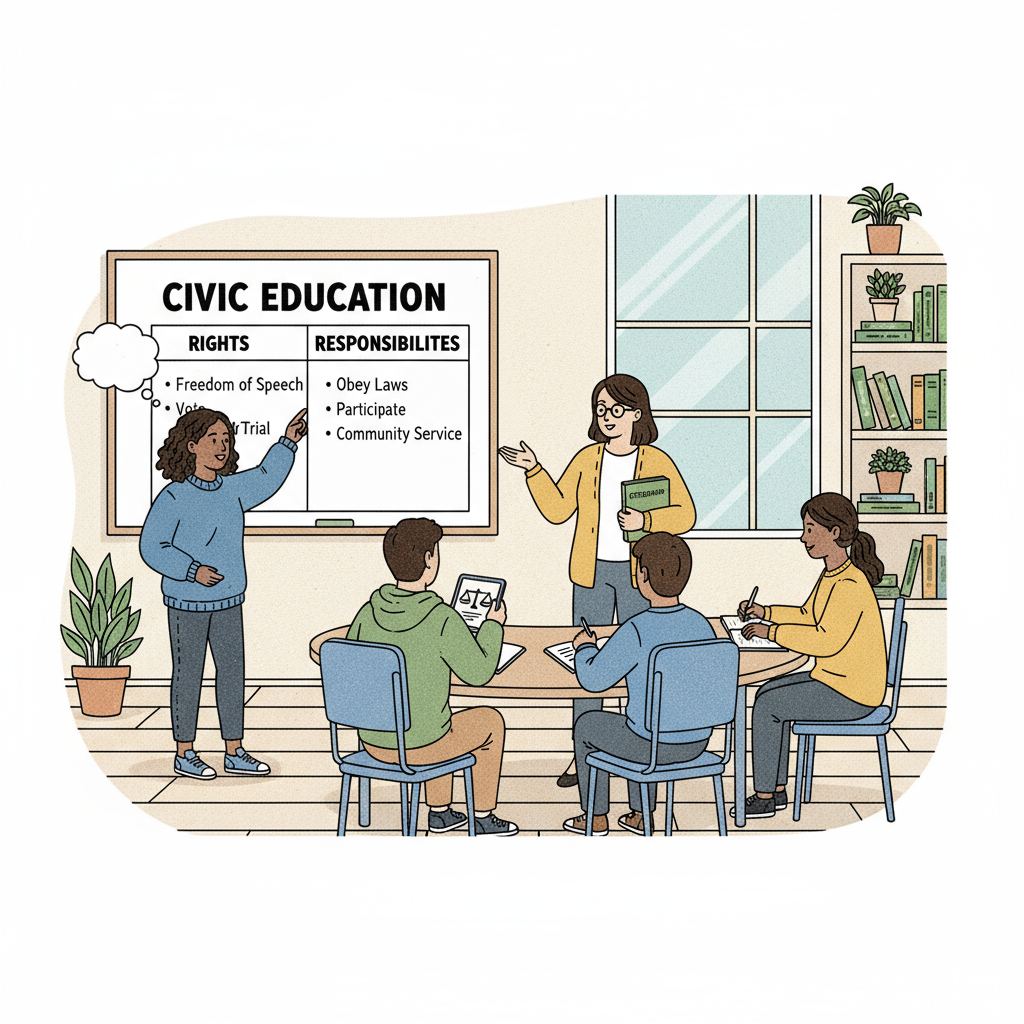
A healthy democracy depends not only on effective institutions but also on informed and engaged citizens. Civic responsibility includes understanding public issues, participating in community activities, respecting the rule of law, and contributing to constructive dialogue.
Education, open communication, and access to reliable information play important roles in strengthening civic participation and supporting democratic values.
Conclusion
Politics in 2026 continues to evolve alongside advances in technology, changing economic conditions, and increasing global interconnectedness. Governments are working to improve public services, strengthen cybersecurity, encourage civic participation, and address complex international challenges through cooperation and innovation.
While political systems differ across countries, common goals such as transparency, accountability, sustainable development, and respect for the rule of law remain central to effective governance. By encouraging informed participation and constructive dialogue, societies can better address current challenges and prepare for the future.
Frequently Asked Questions (FAQ)
1. Why is cybersecurity important for governments?
Cybersecurity helps protect sensitive government systems, public services, and citizen data from cyber threats, ensuring the reliability and security of essential digital infrastructure.
2. What is digital democracy?
Digital democracy refers to the use of digital technologies to improve public participation, increase access to government information, and strengthen communication between citizens and public institutions.
3. Why is civic participation important?
Active civic participation allows citizens to contribute to public discussions, engage with community issues, and support democratic processes through informed and constructive involvement.
4. What are some major political challenges in 2026?
Common challenges include economic uncertainty, climate change, cybersecurity, technological change, public trust, and effective governance in an increasingly interconnected world.
5. How does international cooperation benefit countries?
International cooperation helps nations address shared challenges such as public health, environmental protection, disaster response, trade, and scientific research through dialogue and collaborative action.