Politics continues to shape every aspect of modern society, influencing economic growth, international relations, technological development, education, healthcare, environmental policies, and national security. In 2026, governments around the world face complex challenges that require cooperation, innovation, and effective leadership. Citizens are more informed than ever through digital media, making transparency, accountability, and public engagement increasingly important.
Political decisions affect businesses, communities, and individuals on a daily basis. From elections and international diplomacy to climate policy and digital regulation, today`s political landscape is rapidly evolving. Understanding these developments helps citizens make informed decisions and participate more effectively in democratic processes.
This article explores the major political trends influencing governments and societies in 2026 while maintaining a balanced and informative perspective.
1. The Growing Importance of Digital Governance
Governments are increasingly adopting digital technologies to improve public services and communication with citizens. Online government portals allow people to access important services such as tax filing, business registration, healthcare information, and official documentation more efficiently.
Digital governance also improves transparency by making government information more accessible and reducing administrative delays through automation.
Benefits of Digital Government
- Faster public services.
- Greater transparency.
- Reduced paperwork.
- Improved citizen engagement.
- Better access to government information.
- More efficient public administration.
2. Elections and Democratic Participation
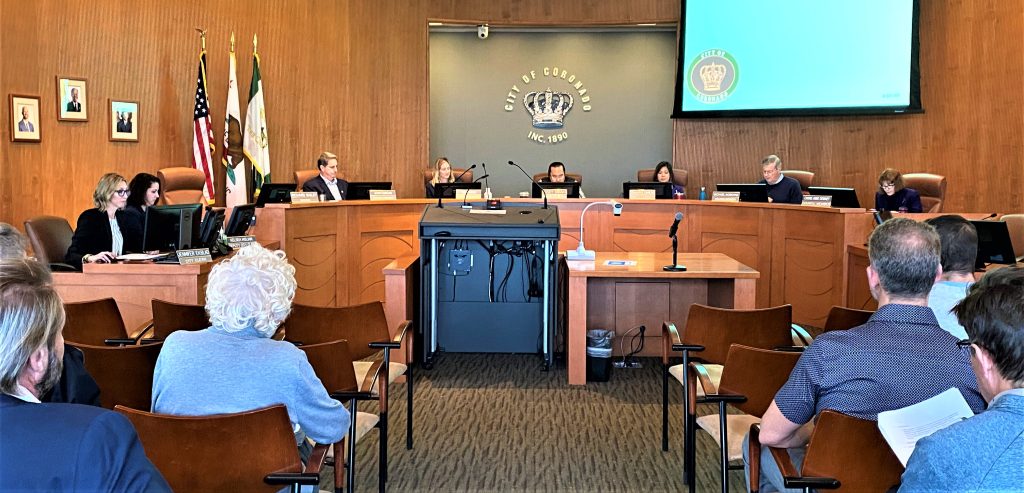
Free and fair elections remain the foundation of democratic societies. Around the world, governments continue to invest in improving election security, increasing voter participation, and strengthening public confidence in democratic institutions.
Technology is also playing a greater role in voter education, election monitoring, and communication between elected representatives and citizens.
Factors That Strengthen Democracy
- Transparent election processes.
- Independent electoral institutions.
- Freedom of expression.
- Responsible journalism.
- Active civic participation.
- Equal voting opportunities.
3. International Cooperation
Many modern challenges cannot be solved by one country alone. Climate change, global health issues, cybersecurity threats, trade, and humanitarian crises require cooperation between nations.
International organizations and diplomatic partnerships help countries negotiate agreements, resolve disputes peacefully, and coordinate responses to global challenges.
Areas of Global Cooperation
- Climate action.
- Public health initiatives.
- International trade.
- Cybersecurity.
- Disaster response.
- Scientific research.
4. Economic Policies and National Development
Government economic policies influence employment, inflation, investment, taxation, infrastructure development, and business growth. Policymakers aim to create stable economic conditions while encouraging innovation and improving living standards.
Balanced fiscal planning and responsible public investment play a significant role in long-term national prosperity.
Common Economic Priorities
- Job creation.
- Infrastructure development.
- Support for entrepreneurship.
- Investment in education.
- Innovation and technology.
- Financial stability.
5. Climate and Environmental Policy
Environmental sustainability has become one of the most important political priorities worldwide. Governments are introducing policies that encourage renewable energy, reduce carbon emissions, protect biodiversity, and promote sustainable development.
International cooperation remains essential in addressing climate-related challenges that affect every region of the world.
Environmental Policy Goals
- Reduce greenhouse gas emissions.
- Expand renewable energy.
- Protect natural resources.
- Improve waste management.
- Promote sustainable transportation.
- Support environmental conservation.
6. The Impact of Technology on Politics
Technology has transformed the political landscape by changing how governments communicate with citizens and how people access information. Social media, mobile applications, live streaming, and digital news platforms allow political leaders to interact directly with the public while enabling citizens to stay informed about government policies and public affairs.
At the same time, governments, media organizations, and citizens face the challenge of identifying reliable information and promoting responsible digital communication. Digital literacy and critical thinking have become essential skills for navigating today`s information environment.
Technology in Modern Politics
- Online public consultations.
- Digital government services.
- Live policy announcements.
- Electronic document management.
- AI-assisted public administration.
- Improved communication with citizens.
7. Public Policy and Social Development
Public policy directly influences education, healthcare, transportation, housing, employment, and social welfare. Effective policymaking requires research, consultation with experts, and consideration of long-term national interests.
Governments regularly evaluate existing policies and introduce reforms to improve public services, encourage economic development, and address changing societal needs.
Major Areas of Public Policy
- Education reform.
- Healthcare improvement.
- Employment and labor policies.
- Housing development.
- Infrastructure investment.
- Social protection programs.
8. National Security and Cybersecurity
Protecting citizens and national infrastructure remains a primary responsibility of governments. Modern security strategies include both traditional defense measures and cybersecurity initiatives to safeguard digital systems from cyber threats.
As businesses and government services become increasingly digital, protecting sensitive information and critical infrastructure has become more important than ever.
Key Security Priorities
- Cybersecurity protection.
- Border security.
- Disaster preparedness.
- Critical infrastructure protection.
- Emergency response coordination.
- International security cooperation.
9. Youth Participation in Politics
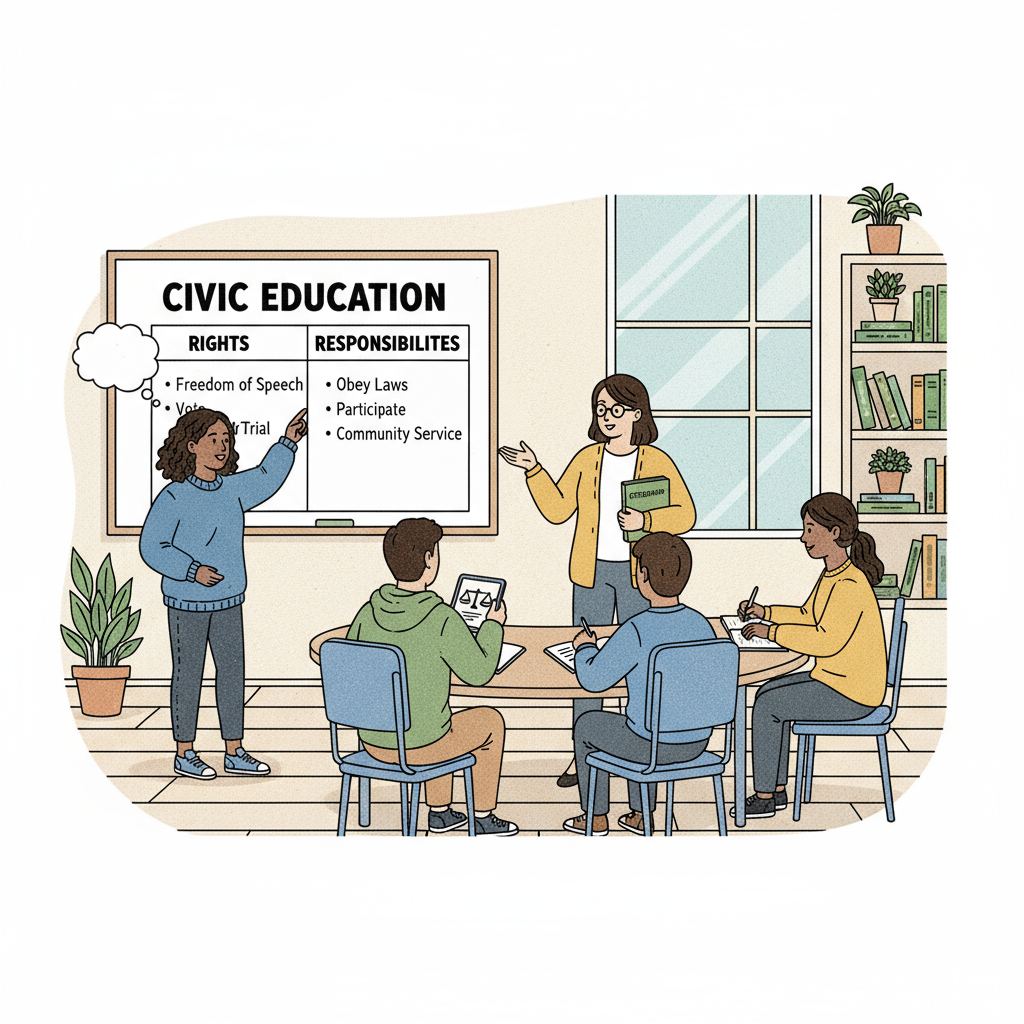
Young people are playing an increasingly important role in shaping political discussions. Through education, community engagement, volunteering, and civic participation, younger generations contribute fresh perspectives and innovative ideas to public policy.
Many educational institutions encourage civic education to help students understand democratic processes, responsible citizenship, and the importance of informed participation.
Ways Young People Can Participate
- Voting where eligible.
- Community volunteering.
- Public discussions and debates.
- Civic education programs.
- Youth leadership initiatives.
- Constructive policy engagement.
10. The Future of Global Politics
The future of politics will likely be shaped by technological innovation, environmental sustainability, economic development, demographic changes, and international cooperation. Governments that embrace transparency, innovation, and evidence-based policymaking will be better positioned to address future challenges.
Building trust between governments and citizens, encouraging constructive dialogue, and strengthening democratic institutions will remain essential for long-term stability and prosperity.
Major Challenges Facing Governments
- Economic uncertainty.
- Climate change.
- Cybersecurity threats.
- Public health emergencies.
- Infrastructure modernization.
- Digital transformation.
- Population growth and urbanization.
Benefits of Effective Governance
- Improved public services.
- Economic stability.
- Greater transparency.
- Higher citizen trust.
- Better infrastructure.
- Enhanced international cooperation.
- Sustainable national development.
Frequently Asked Questions (FAQs)
Why is politics important in everyday life?
Political decisions influence education, healthcare, employment, transportation, taxation, public safety, environmental policies, and many other aspects of daily life.
How does technology improve government services?
Technology enables governments to deliver faster public services, improve communication with citizens, increase transparency, and simplify administrative processes through digital platforms.
Why is citizen participation important?
Active civic participation helps strengthen democratic institutions, encourages accountability, and allows communities to contribute to public decision-making through lawful and peaceful means.
What are the biggest political challenges in 2026?
Many governments continue to focus on economic growth, climate resilience, cybersecurity, digital transformation, healthcare, infrastructure, and sustainable development while responding to changing global conditions.
Conclusion
Politics remains one of the most influential forces shaping societies around the world. Government decisions affect economic development, education, healthcare, environmental sustainability, technology, and international cooperation. As nations continue to face complex challenges, effective governance, transparency, innovation, and constructive public participation become increasingly important.
Technology is transforming the relationship between governments and citizens by making services more accessible and improving communication. At the same time, international cooperation continues to play a vital role in addressing global issues such as climate change, cybersecurity, and public health.
A well-informed and engaged society contributes to stronger institutions and better decision-making. By encouraging civic responsibility, respectful dialogue, and evidence-based policymaking, countries can build a more stable, inclusive, and prosperous future for generations to come.